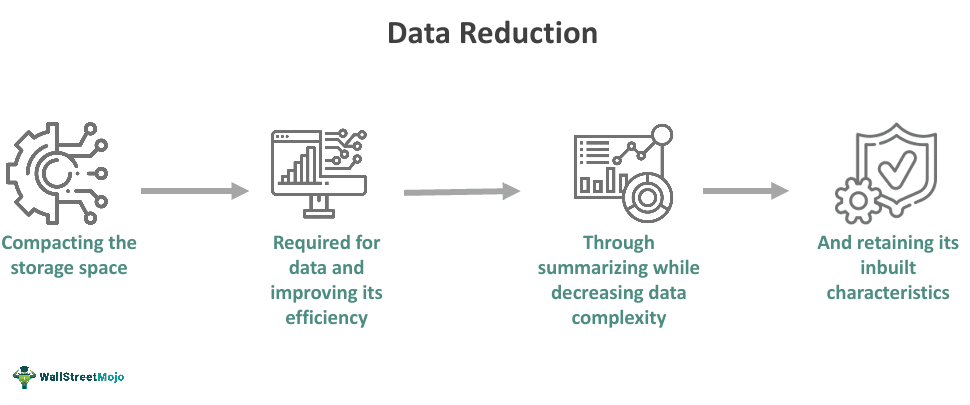
Reducing Information Overload through Technology
Information overload is a pervasive problem that affects individuals, organizations, and the global economy. The exponential growth of digital information has led to a situation where people are overwhelmed by the sheer volume of data they encounter daily. This phenomenon is exacerbated by the ongoing digitalization of the world of work and the growing use of information and communication technologies. In this article, we will explore the concept of information overload, its causes, and strategies for managing it through technology.
The History of Information Overload
Information overload has been a concern for decades. In the 1930s, researchers began to worry about the negative effects of excessive information. The term "information overload" gained prominence in the 1970s, when author Alvin Toffler warned of the negative effects of being inundated with information. Today, information overload is a common phenomenon in our digitized world, referring to the point where an individual is exposed to so much information and data that it becomes challenging to process it.
The Causes of Information Overload
So, why do we experience information overload? There are several reasons. Firstly, the rise of social media and online platforms has led to an explosion of information available to us. We are exposed to an endless supply of data, messages, and decisions, which stretches our attention and makes managing up more difficult. Secondly, the increasing use of digital technology has led to a more interconnected and complex work environment, where employees are expected to be always-on and always-available. This has resulted in a situation where employees are often bombarded by notifications, emails, and messages, leading to a sense of overwhelm and disengagement.
Strategies for Managing Information Overload
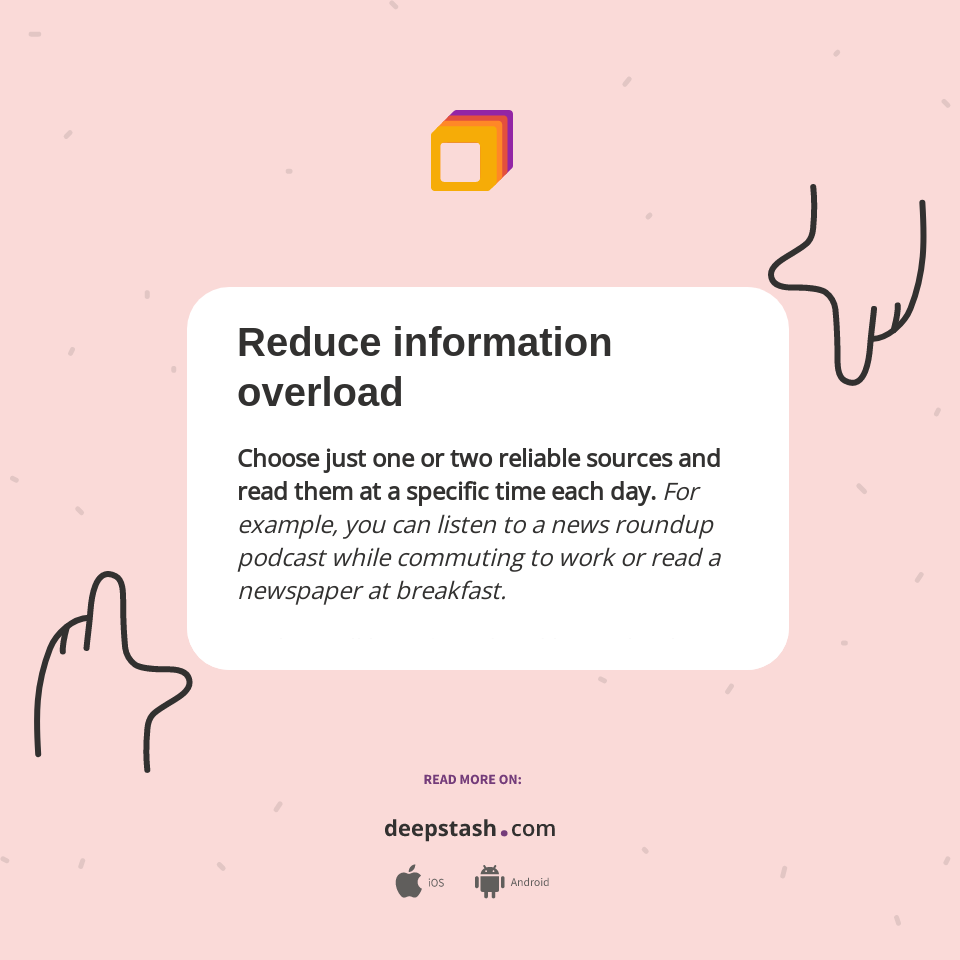
So, how can we reduce information overload through technology? There are several strategies that organizations and individuals can use to manage information overload. Firstly, filtering and prioritization are essential. This involves using technology to sort, categorize, and prioritize information, so that only the most relevant and important information is presented to the user. Secondly, using technology to automate tasks and streamline processes can also help reduce information overload. This can include using tools such as project management software, digital asset management systems, and centralized communication platforms. Finally, learning multiple skills and using technology tools to manage information overload is also essential. This can include using tools such as information literacy training, personalized assistance, and collaborative learning platforms.
The Role of Technology in Reducing Information Overload
Technology can play a significant role in reducing information overload. Modern workplace technology, especially mobile-first communication platforms, can help reduce information overload by prioritizing and personalizing information delivery. For example, using AI-powered chatbots and virtual assistants can help employees sort through large amounts of information and provide personalized recommendations. Additionally, using data analytics and machine learning algorithms can help organizations identify and prioritize the most relevant information, reducing the noise and unnecessary information that contributes to information overload.
Conclusion
Information overload is a pervasive problem that affects individuals, organizations, and the global economy. While the causes of information overload are complex, there are several strategies that can be used to manage it through technology. By filtering and prioritizing information, automating tasks and streamlining processes, and learning multiple skills and using technology tools, individuals and organizations can reduce information overload and improve productivity, decision-making, and well-being. As technology continues to evolve and change the way we work, it is essential that we develop effective strategies for managing information overload to ensure that we remain productive, engaged, and successful.
Key Takeaways
- Information overload is a pervasive problem that affects individuals, organizations, and the global economy.
- The causes of information overload are complex, but include the rise of social media and online platforms, the increasing use of digital technology, and the always-on, always-available work environment.
- Strategies for managing information overload include filtering and prioritization, automating tasks and streamlining processes, and learning multiple skills and using technology tools.
- Technology can play a significant role in reducing information overload, including using AI-powered chatbots and virtual assistants, data analytics and machine learning algorithms, and centralized communication platforms.