Pregnancy and Shrimp Nutrition Benefits: A Guide for Expectant Mothers
Introduction
Pregnancy is a time of great change and growth, not just for the baby, but also for the mother. During this period, a woman's body requires a wide range of nutrients to support fetal development, maintain maternal health, and prepare for lactation. A well-planned diet is essential to ensure a healthy pregnancy, and seafood, including shrimp, can be a nutritious addition to a pregnant woman's diet.Are Shrimp Safe to Eat During Pregnancy?
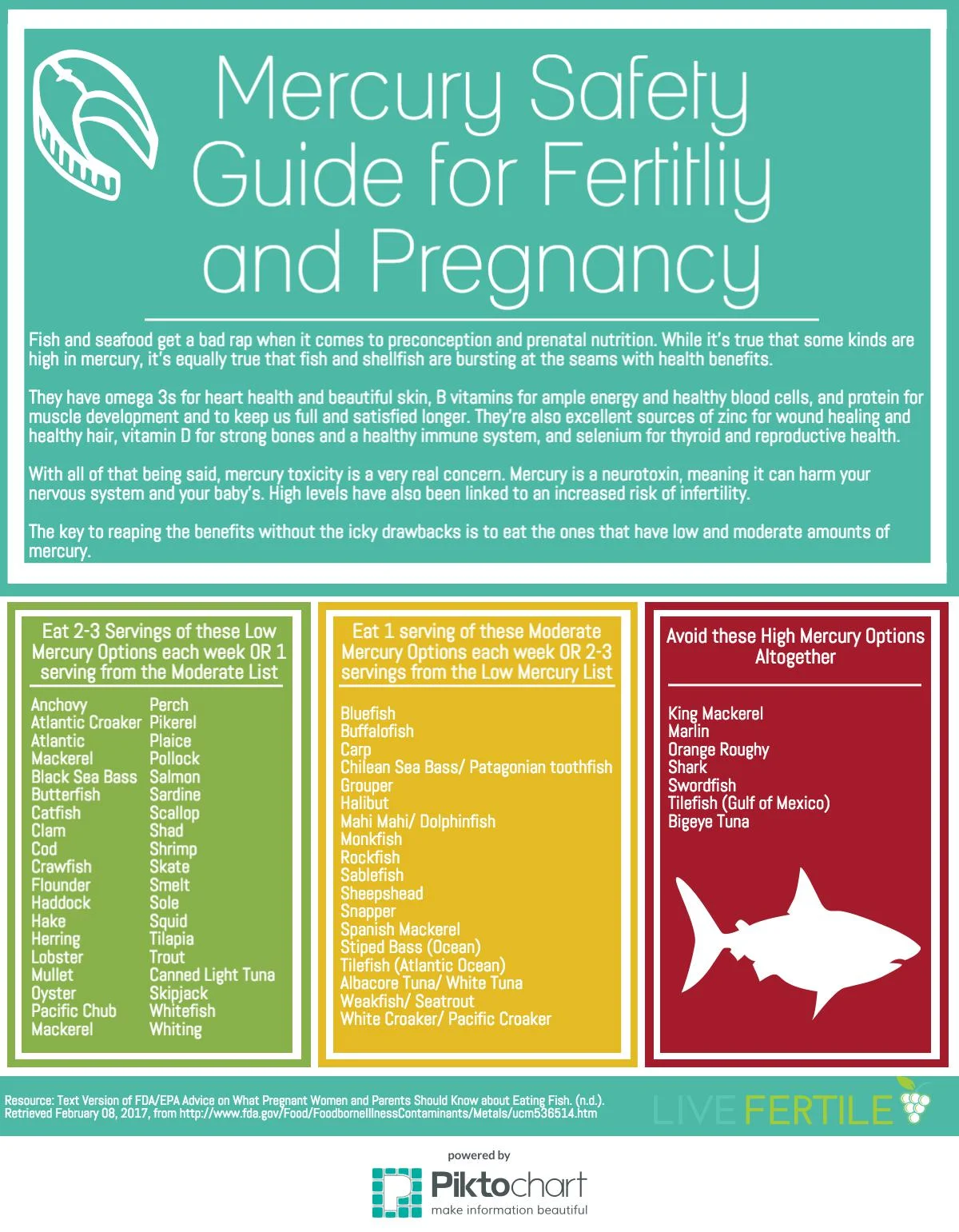
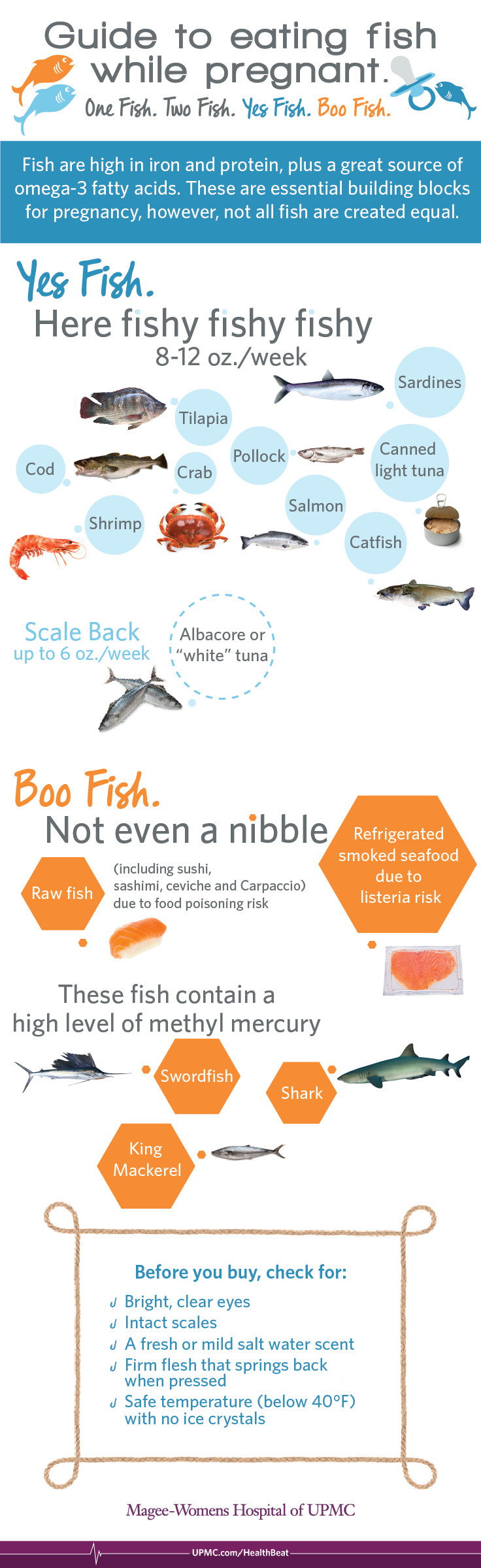
The question of whether shrimp is safe to eat during pregnancy has been a subject of debate. However, the good news is that, unlike high-mercury seafood, shrimp is generally considered safe for pregnant women to consume. As long as shrimp is properly cooked, it can provide a range of nutritional benefits that can be advantageous for expectant mothers.Nutritional Benefits of Shrimp During Pregnancy
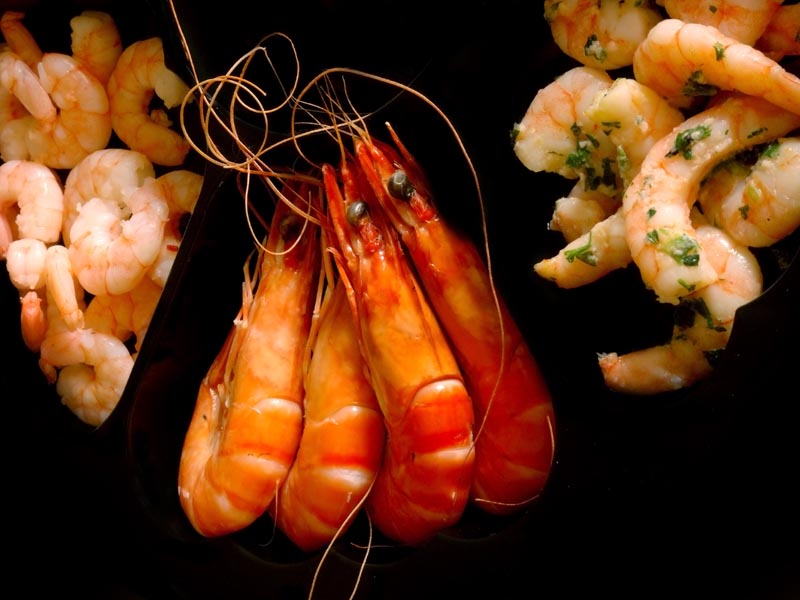
Shrimp is a nutrient-dense seafood that provides an excellent source of high-quality protein essential for muscle development and overall body function. It is also low in fat, calories, and mercury, making it a healthy choice for pregnant women. Some of the key nutritional benefits of shrimp during pregnancy include:- Protein: Shrimp is a high-quality source of lean protein, crucial for fetal growth and maternal health during pregnancy.
- Omega-3 fatty acids: Shrimp contains omega-3 fatty acids, which are essential for the health of the fetus as well as pregnant women in the long term.
- Antioxidants: Shrimp contains antioxidants like astaxanthin, which can help protect the fetus from oxidative stress and promote overall health.
- Magnesium: Shrimp is a good source of magnesium, an essential mineral for fetal development and maternal health.
- Iodine: Shrimp is a good source of iodine, a critical nutrient for thyroid function and fetal development.
Benefits of Eating Shrimp During Pregnancy

- Improved fetal development: Shrimp provides essential nutrients like protein, omega-3 fatty acids, and antioxidants that support fetal growth and development.
- Reduced risk of premature birth: Eating shrimp regularly during pregnancy may help reduce the risk of premature birth by providing essential nutrients that support fetal development.
- Improved maternal health: Shrimp is a good source of protein, omega-3 fatty acids, and antioxidants that can help support maternal health during pregnancy.
- Reduced risk of preeclampsia: Eating shrimp regularly during pregnancy may help reduce the risk of preeclampsia, a condition that can lead to high blood pressure and other complications.
Safe Consumption of Shrimp During Pregnancy
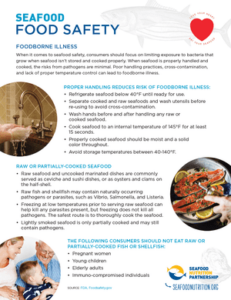
While shrimp is generally considered safe to eat during pregnancy, it's essential to consume it in moderation and follow some guidelines to ensure safe consumption:- Choose cooked shrimp: Shrimp should be cooked thoroughly to an internal temperature of at least 145°F (63°C) to ensure food safety.
- Avoid raw or undercooked shrimp: Raw or undercooked shrimp can contain bacteria like Salmonella and Norovirus, which can cause food poisoning.
- Opt for low-mercury shrimp: Some types of shrimp, like farmed shrimp, may contain higher mercury levels than wild-caught shrimp. Opt for low-mercury shrimp to minimize exposure to mercury.
- Consume shrimp in moderation: Shrimp should be consumed in moderation, as excessive consumption can lead to an imbalance of omega-6 fatty acids, which can have negative effects on health.