Memory Outsourcing: The Double-Edged Sword of Digital Dependence
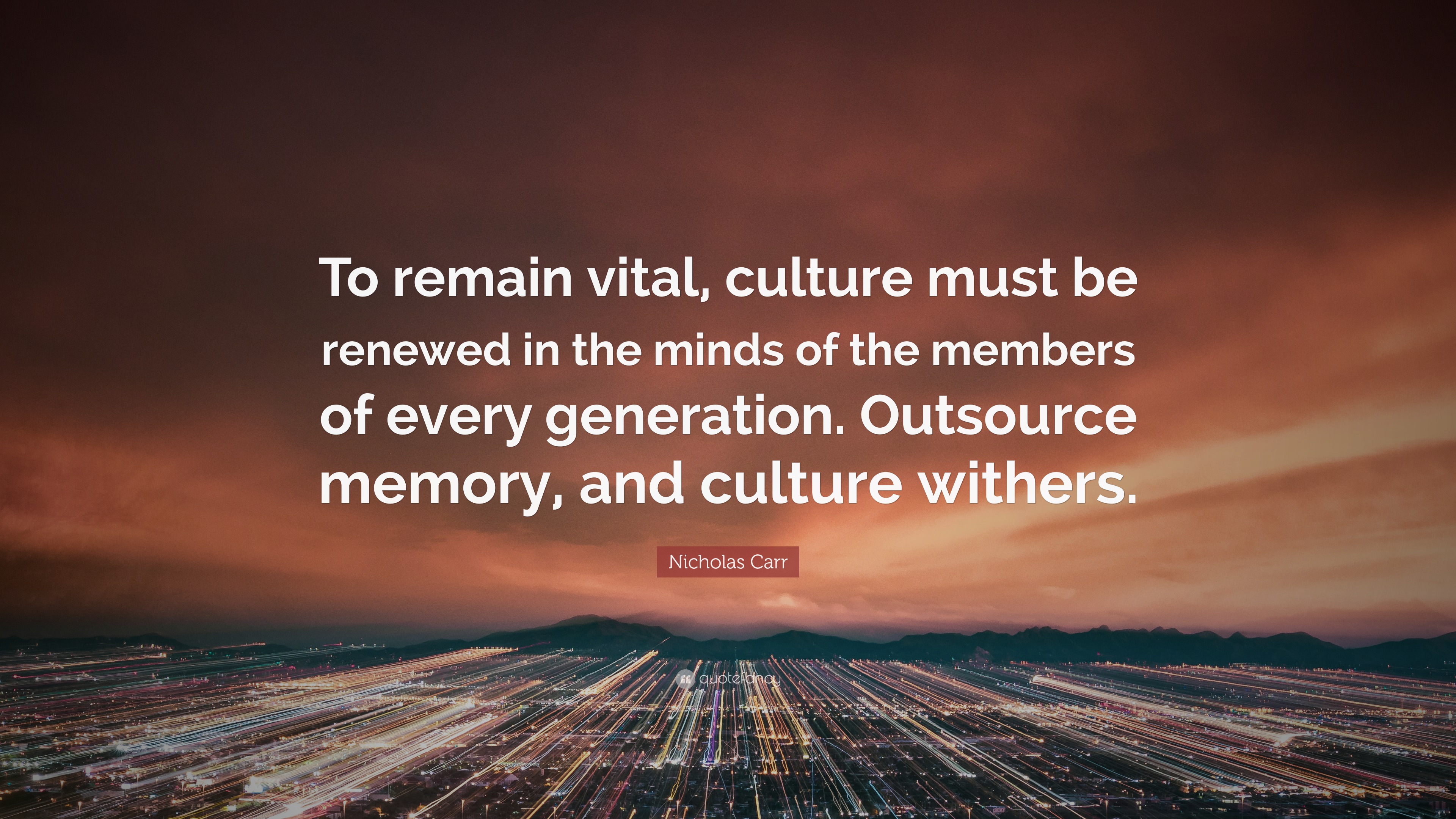
In today's digital age, we're increasingly reliant on technology to store and recall information, a phenomenon often referred to as "memory outsourcing." This trend promises cognitive freedom but threatens our identity, creativity, and critical thinking. As we rely more on devices like smartphones and computers to store and recall information, we must consider the implications of this outsourcing on our mental abilities and the richness of our memories.
The Rise of Digital Amnesia
The concept of digital amnesia highlights our growing dependence on technology as a memory aid. With the internet at our fingertips, we can access vast amounts of information, but this convenience comes at a cost. Research suggests that excessive reliance on technology can lead to cognitive offloading, where we gradually lose the ability to perform mental tasks ourselves. This offloading can result in a unique kind of amnesia, where we forget how to remember things without relying on digital tools.
Prospective Memory and the Role of Technology
Prospective memory, or the ability to remember delayed intentions, has been extensively studied in recent decades. Research has provided insight into the cognitive and neural mechanisms involved in this form of memory. However, we depend on more than just our brains to remember intentions. We also use external props and tools, such as calendars and diaries, strategically placed objects, and technologies like smartphone apps. By outsourcing memory to these tools, we can free up mental bandwidth for higher-value tasks, but we may also compromise our ability to form internal knowledge structures essential for critical thinking and creativity.
The Memory Paradox
The concept of the "memory paradox" describes the trade-offs involved in outsourcing memory. On one hand, technology can provide a convenient and efficient way to store and recall information. On the other hand, relying too heavily on digital tools can prevent the formation of internal knowledge structures, leading to a loss of cognitive skills and cultural connections. This paradox highlights the need for a balanced approach to memory outsourcing, one that leverages technology while preserving our mental abilities.
The Importance of Memory in Shaping Human Identity

Memory plays a crucial role in shaping our identity, creativity, and wisdom. When we outsource our memories to external devices, we risk losing vital cognitive skills and cultural connections. As we increasingly rely on smartphones and AI for information storage, we must consider the importance of memory in preserving our humanity. By exploring the implications of memory outsourcing, we can better understand the value of our mental abilities and the need to strike a balance between technology and cognitive skills.
Strategic Conditions for Memory Outsourcing
Researchers have proposed a universal scaling law for optimal memory duration as a function of sensory precision. This law suggests that adaptation to changing environments should be accompanied by a corresponding reduction in memory duration. However, the strategic conditions favoring active reduction of environmental volatility through niche construction are not yet fully understood. Further research is needed to explore the game dynamics favoring actively reducing environmental volatility over investing in neural tissue.
Cognitive Offloading and Critical Judgment
Generative AI is reshaping our thinking, increasing cognitive offloading, and eroding critical judgment. As leaders, it's essential to stay mentally sharp and consider the potential risks associated with offloading without purposeful consideration of the consequences. By exploring the implications of memory outsourcing, we can develop strategies to maintain our cognitive abilities and critical judgment in the face of technological advancements.
Conclusion
Memory outsourcing is a double-edged sword that promises cognitive freedom but threatens our identity, creativity, and critical thinking. As we increasingly rely on technology to store and recall information, we must consider the implications of this outsourcing on our mental abilities and the richness of our memories. By exploring the trade-offs involved in memory outsourcing, we can develop a balanced approach that leverages technology while preserving our cognitive skills and cultural connections.