Giving Dogs Human Medication for Pain: A Crucial Consideration
When it comes to our furry friends, we want to ensure they receive the best possible care when in pain. However, giving dogs human medication for pain can be a recipe for disaster. In this article, we'll delve into why administering human pain medications to dogs is a bad idea and explore safer alternatives.
Risks Associated with Giving Dogs Human Medication for Pain
Human pain medications, such as ibuprofen, acetaminophen, and aspirin, can be toxic to dogs, even in small doses. This is due to their unique physiology and sensitivity to certain medications. For instance, dogs have a higher liver-to-body-mass ratio than humans, which can lead to faster metabolism of certain drugs. This quick metabolism can increase the risk of adverse reactions and toxicity.
Kidney failure: Human pain medications can cause kidney damage in dogs.
Stomach ulcers: Some human pain medications can lead to stomach ulcers and bleeding in dogs.
Internal bleeding: Certain human pain medications can cause internal bleeding and coagulopathy in dogs.
Masking of symptoms: Using human pain medications can mask the underlying cause of pain, making it more challenging for veterinarians to diagnose and treat the condition.
Human Painkillers Toxic to Dogs: Ibuprofen, Aspirin, and More
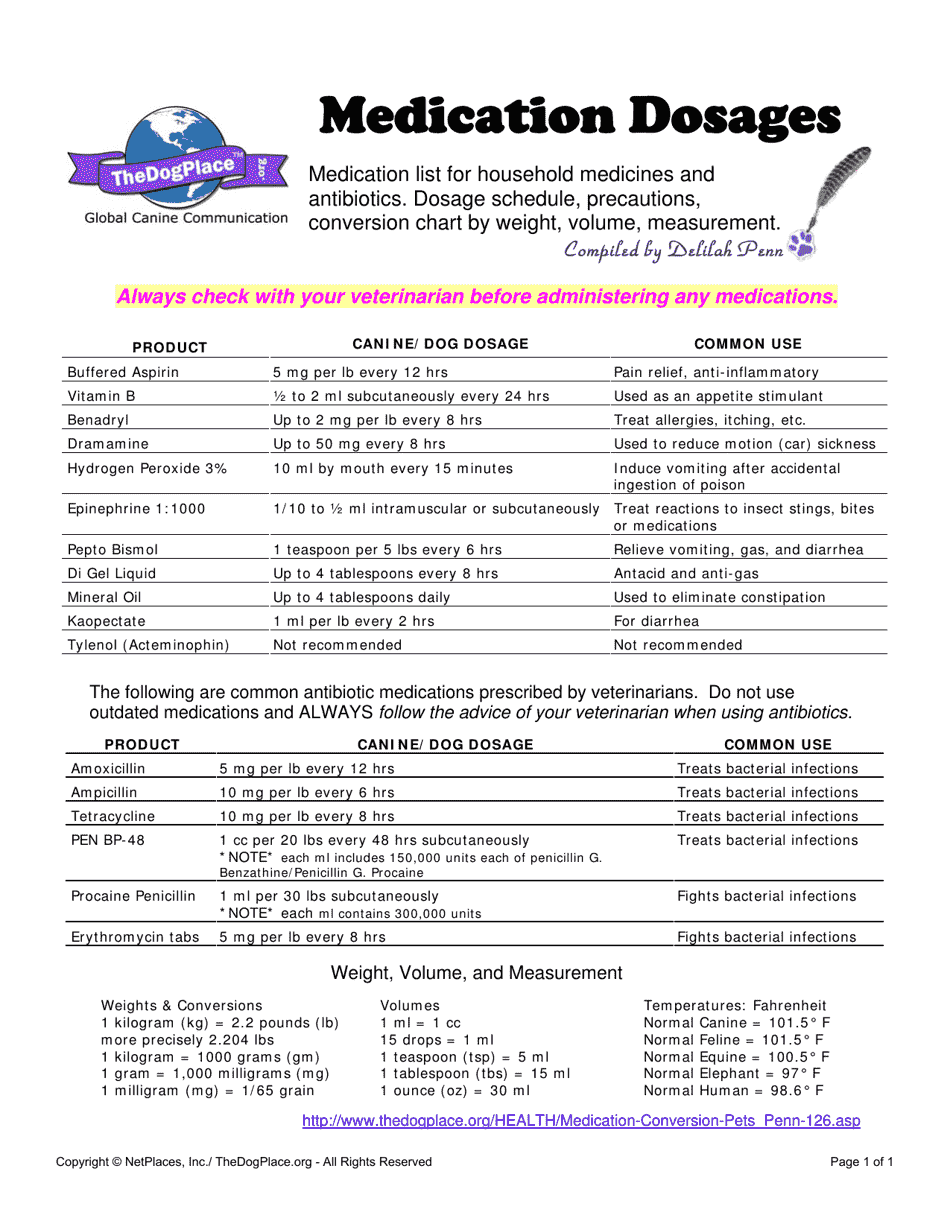
The following human pain medications are toxic to dogs and should never be given:
Ibuprofen (Advil, Motrin)
Aspirin
Naproxen (Aleve)
Tramadol
Acetaminophen (Tylenol)
What Can You Give Your Dog for Pain Relief?
Before administering any medication to your dog, you should consult with your veterinarian. There are several options available, including:

Carprofen (Rimadyl)
Gabapentin (Neurontin)
Amantadine (Symadine)
Benadryl (diphenhydramine)
While these options can be effective, it's essential to follow the veterinarian's instructions carefully and monitor your dog's response.
Why Is Giving Your Dog Human Medication for Pain so Dangerous?
The dangers of giving human pain medications to dogs arise from the following reasons:
Dosage and administration: Human medications are not designed for dogs and can be difficult to dose correctly.
Unique physiology: Dogs have distinct physiological features, such as a higher liver-to-body-mass ratio, that affect how medications are metabolized.
Prioritizing symptom relief: Human pain medications may address symptoms, but not the underlying cause of pain.
Conclusion
While it's tempting to share your medications with your furry friend, giving dogs human medication for pain is a recipe for disaster. Human pain medications can be toxic to dogs and lead to severe health complications. Instead, consult with your veterinarian to find safer alternatives for managing your dog's pain. Your furry friend's health and well-being rely on it.
Takeaways:
- Human pain medications are toxic to dogs and can cause severe health complications.
- Dogs have a unique physiology that affects how medications are metabolized.
- Consult with your veterinarian before administering any medication to your dog.
- Explore safer alternatives, such as prescription medications designed for dogs or natural supplements.










1969084372.png "Can I Give My Dog Benadryl? And if So, How Much? - PetMD")