Car Tire Change on a Gravel Road: A Comprehensive Guide
Driving on gravel roads presents a unique set of challenges compared to driving on paved surfaces. The loose surface of gravel and unpaved roads can lead to a reduced grip for tires, which is vital to consider for maintaining control. For those who frequently drive on such roads, it is essential to be aware of the risks and take the necessary precautions to prevent accidents.The Hazards of Gravel Roads
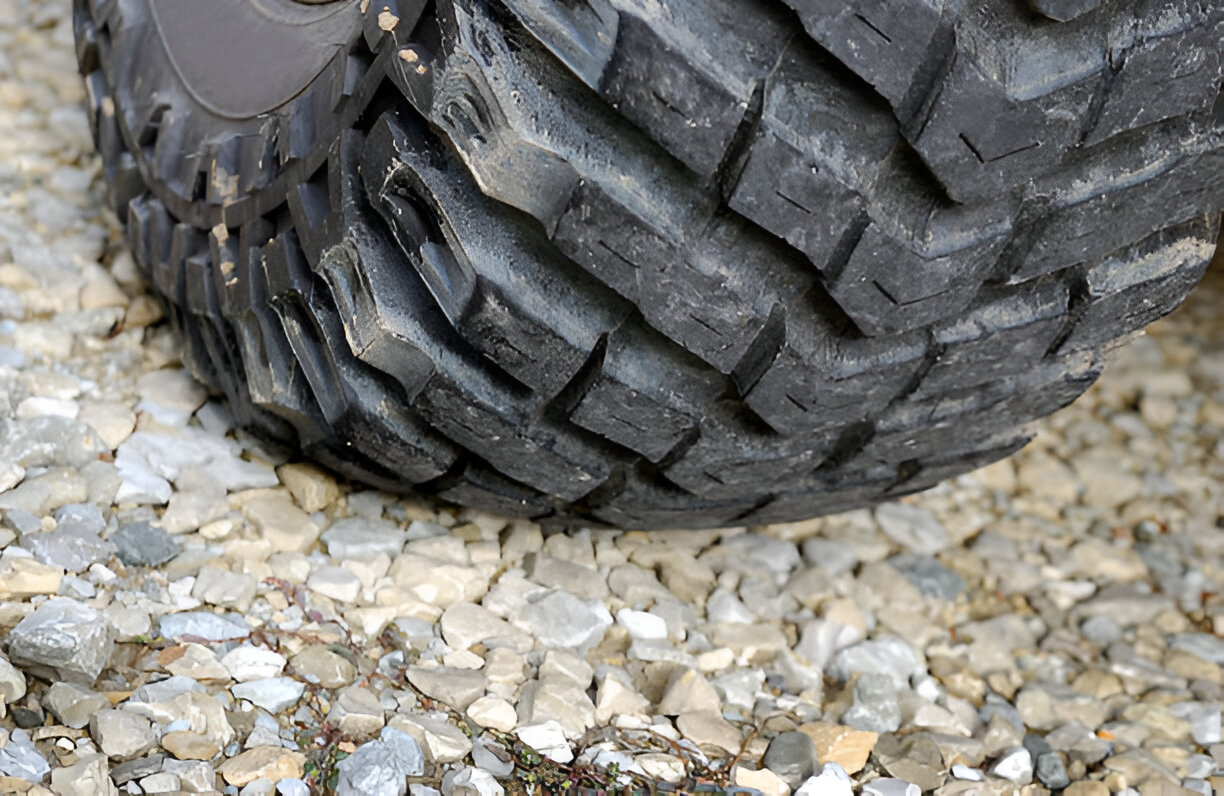
Gravel roads are tough on tires. Sharp rocks, loose debris, and uneven surfaces can cause cuts, punctures, and premature wear. The reduced traction between the tires and the road surface can lead to a loss of control, especially when making turns or stopping quickly. This is why it is crucial to slow down and exercise caution when driving on gravel roads.Benefits of Choosing the Right Tires
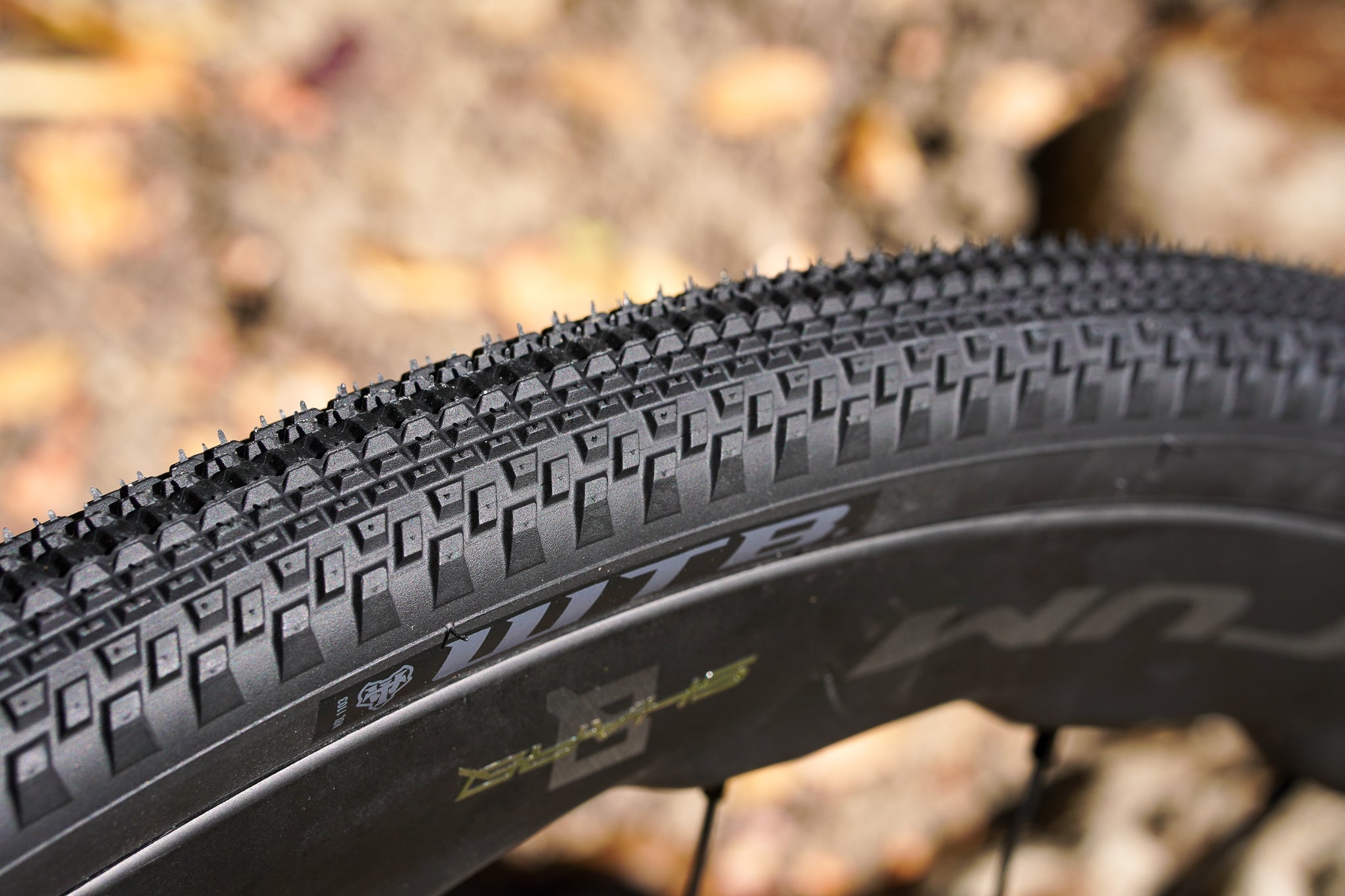
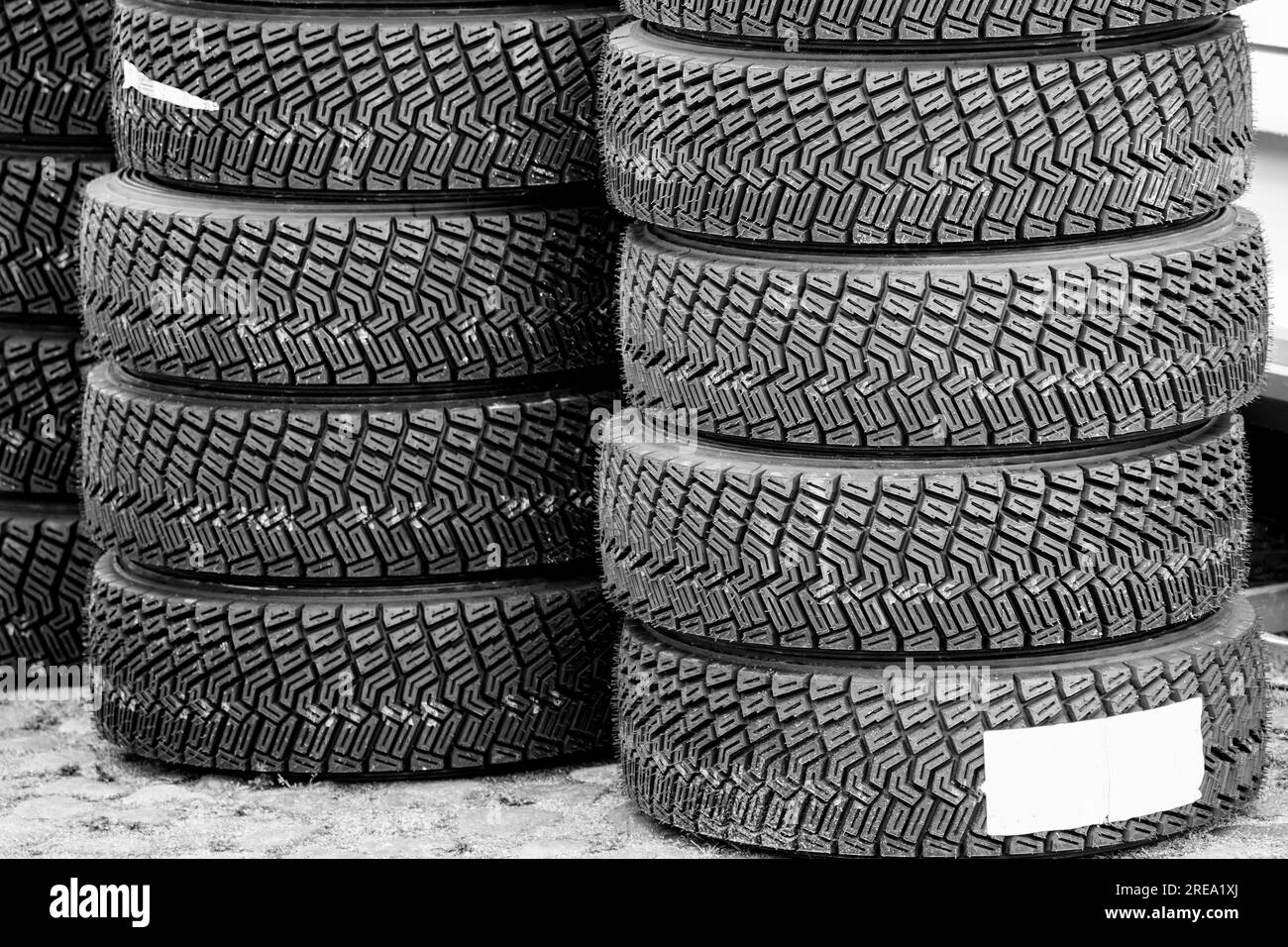
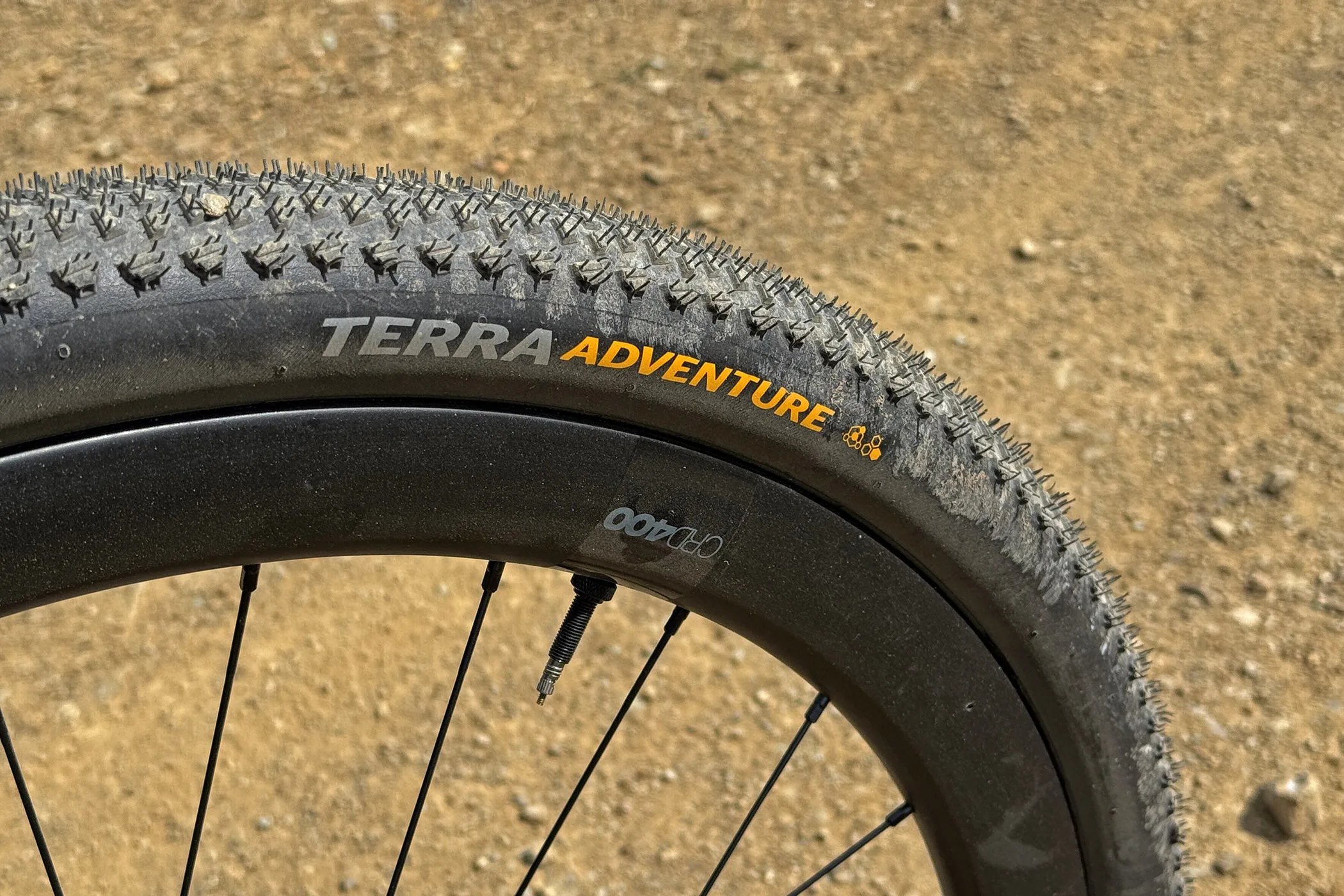
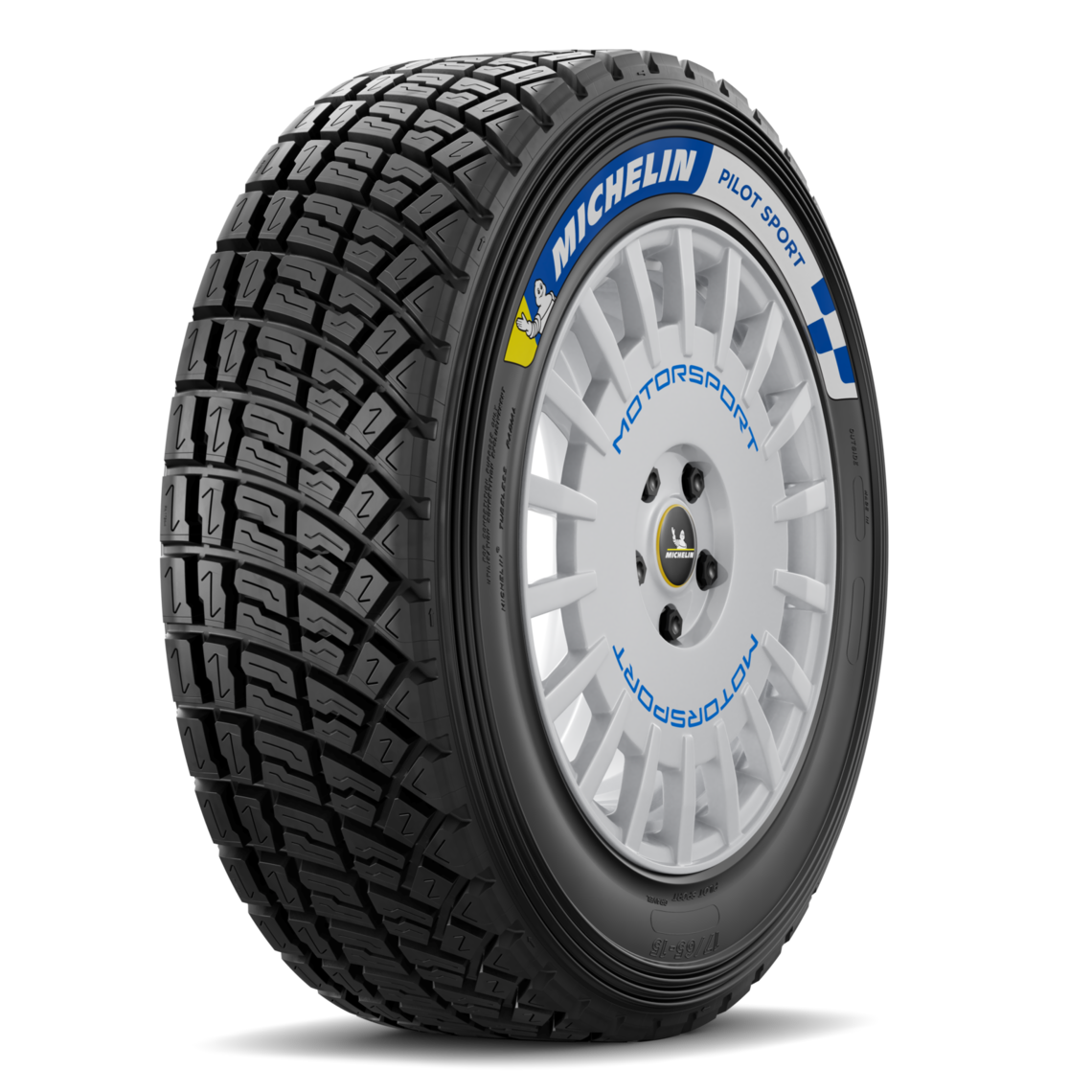
Choosing the right tires for gravel roads can make all the difference. High-quality tires designed for off-road driving can provide better traction, stability, and durability. The best gravel tires have unique handling abilities, extra-strong sidewalls, and narrower treads that let them handle the rigors of gravel roads with ease.Top Features to Look for in Gravel Tires
When shopping for gravel tires, look for the following features:- Unique tread pattern for improved traction on loose surfaces
- Extra-strong sidewalls for added stability and durability
- Narrower treads for better control and maneuverability
- Chip-resistant tread for protection against rock and stone damage
- Stone ejectors for removing debris from the tread
Precautions to Take When Driving on Gravel Roads
While driving on gravel roads, take the following precautions to minimize the risk of accidents:- Slow down and maintain a safe speed
- Avoid sharp turns and hard braking
- Watch out for road hazards and avoid them whenever possible
- Drive on the tracks left by other drivers, as they are more solid and stable
- Lower tire pressure for increased traction
- Maintain a safe distance from other vehicles

How to Change a Flat Tire on a Gravel Road
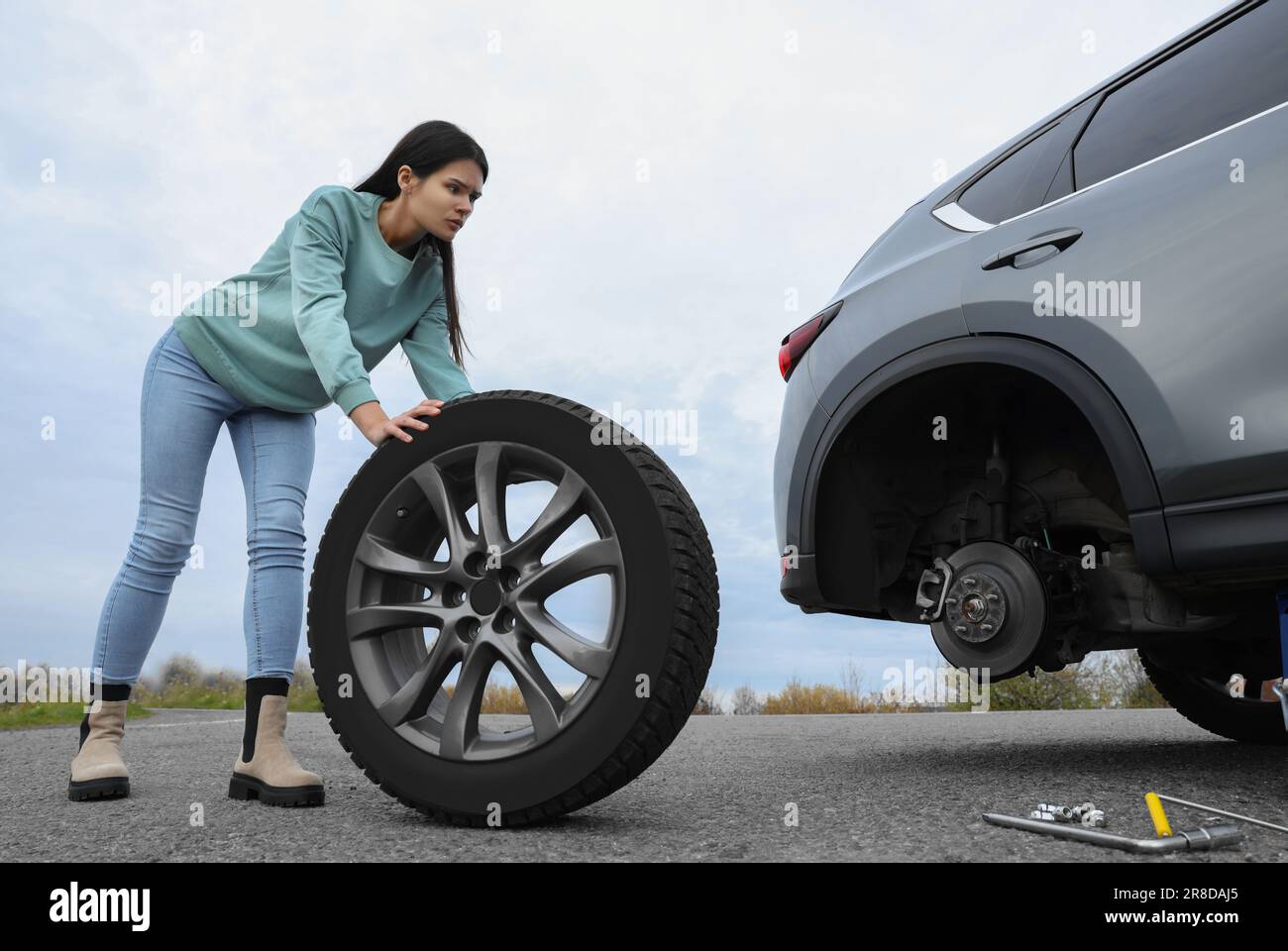
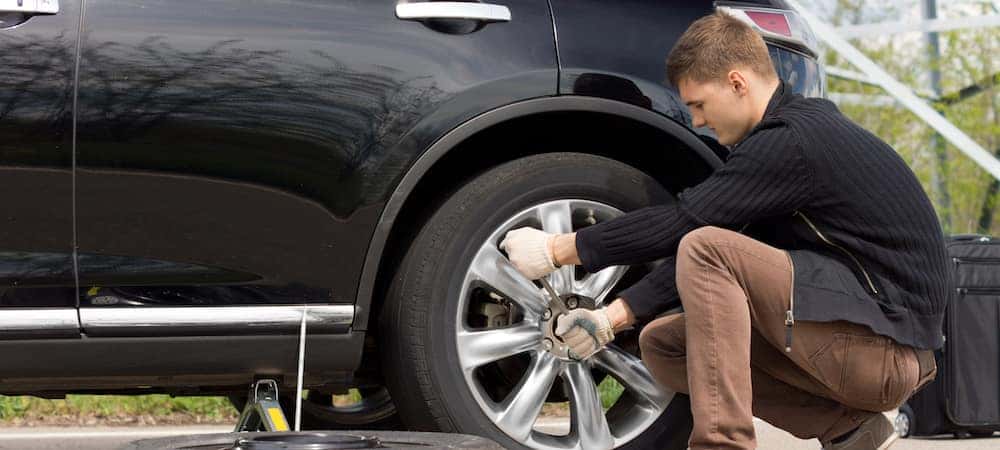
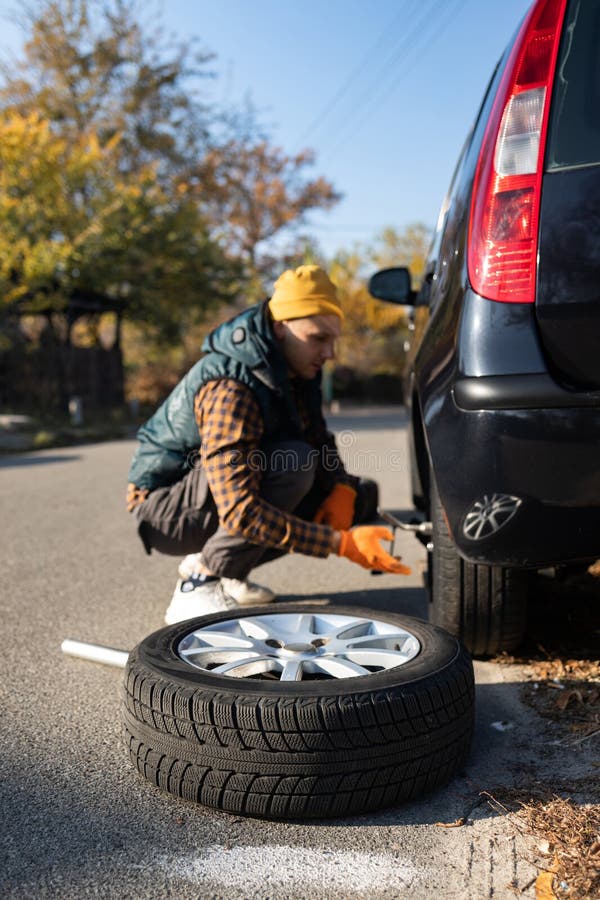
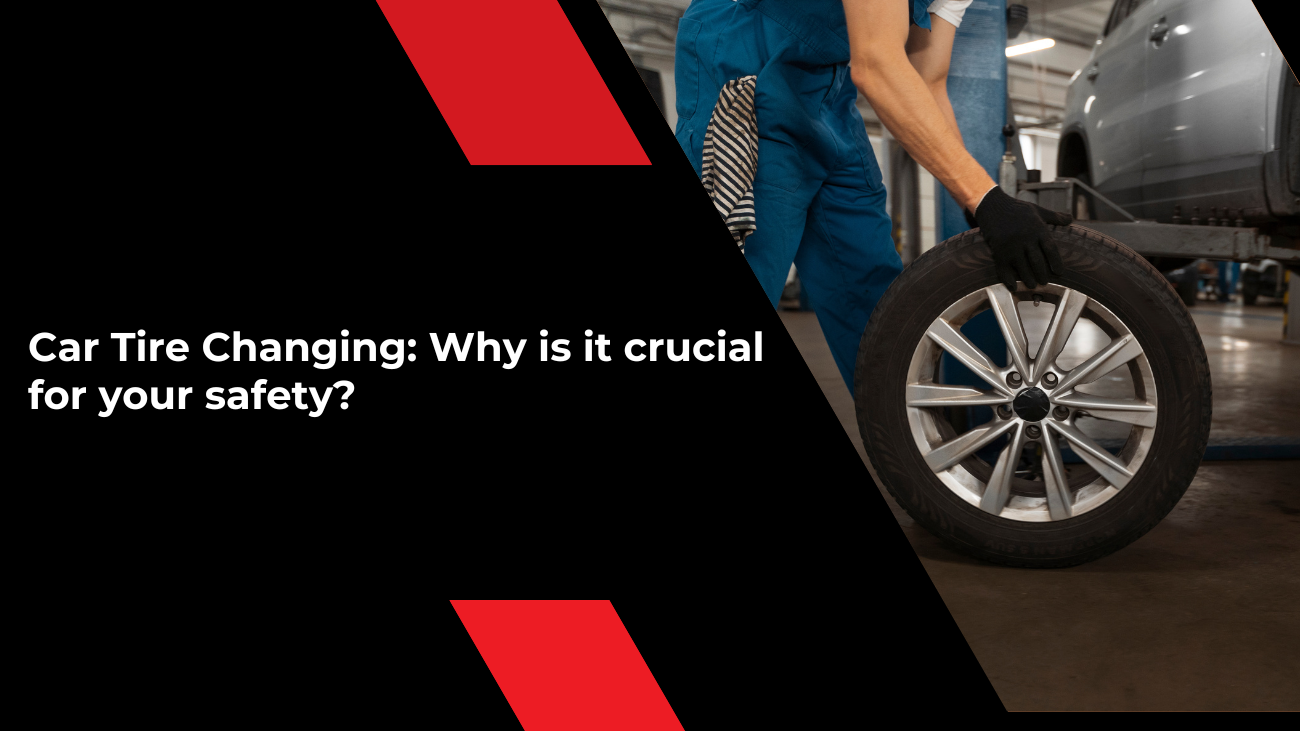
If you find yourself needing to change a flat tire on a gravel road, follow these steps:- Find a solid and stable surface to change the tire
- Use a car jack to raise the vehicle, but avoid jacking up on an unstable surface like gravel
- Remove the flat tire and replace it with the spare
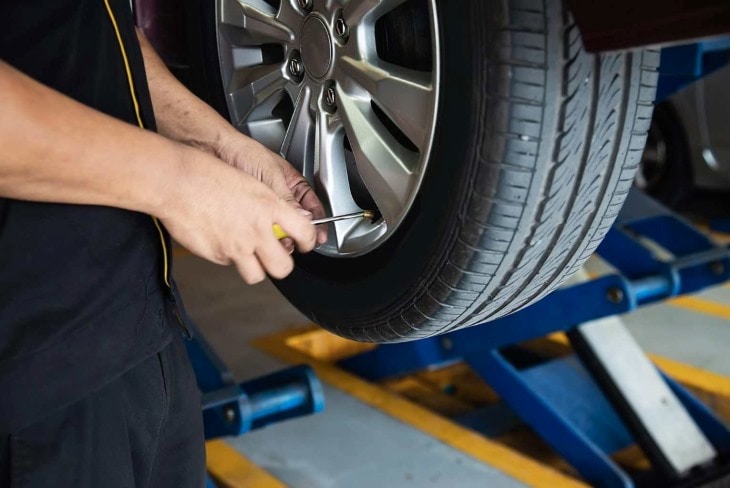
- Tighten the lug nuts securely
- Lower the vehicle and check the tire pressure
Conclusion
Driving on gravel roads requires caution and attention to detail. By choosing the right tires, taking the necessary precautions, and knowing how to change a flat tire, you can minimize the risks associated with driving on unpaved roads. Remember to slow down, reduce tire pressure, and maintain a safe distance from other vehicles to ensure a safe and smooth journey.Additional Resources
For more information on driving on gravel roads, check out the following resources:- AAA: Road Safety and Gravel Driving
- FHWA West Virginia Division: Flat Tire Guide
- Mastering the Flat: A Step-by-Step Guide to Changing a Flat Tire on a Road or Gravel Bike