The Habit of Doomscrolling: Understanding the Root Cause and Breaking the Cycle
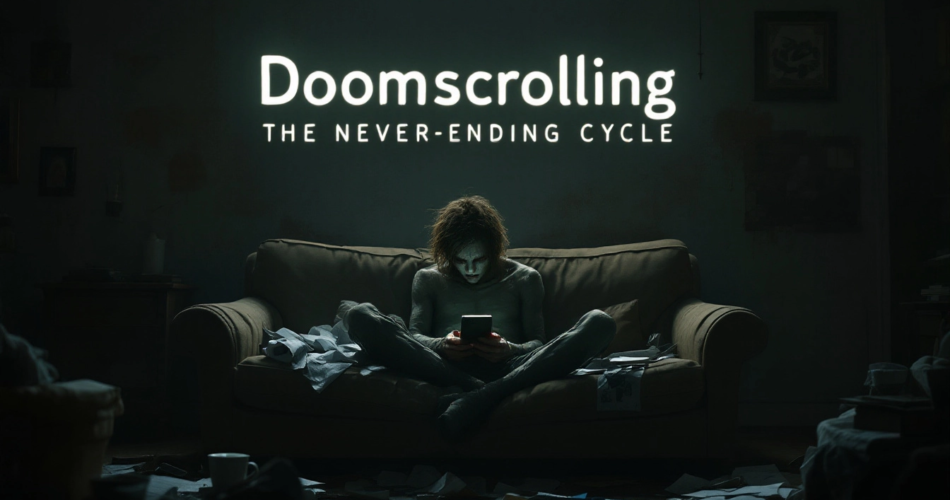
Doomscrolling, the habit of constantly scrolling through online news headlines, has become a widespread phenomenon. But few of us realize that this seemingly harmless act can have a significant impact on our mental and physical health. In this article, we'll delve into the root cause of doomscrolling, its effects on our well-being, and provide practical strategies to break this destructive habit.
The Psychology of Doomscrolling
Doomscrollingfeeds on urgency, keeping us hooked with a constant stream of bad news and stressful content. But why do we find it so difficult to stop? One reason is that our brains are wired to respond to threats, dates back to our ancestors' fight-or-flight response. In today's digital age, doomscrolling convinces us that if we gather more information, we might feel better.
However, research shows that this mentality is a myth. The more we consume negative content, the more our brains become desensitized to it, making us feel increasingly anxious and stressed. To break the cycle, we need to replace the dopamine feedback loop of doomscrolling with healthier alternatives.
Understanding the Impacts of Doomscrolling
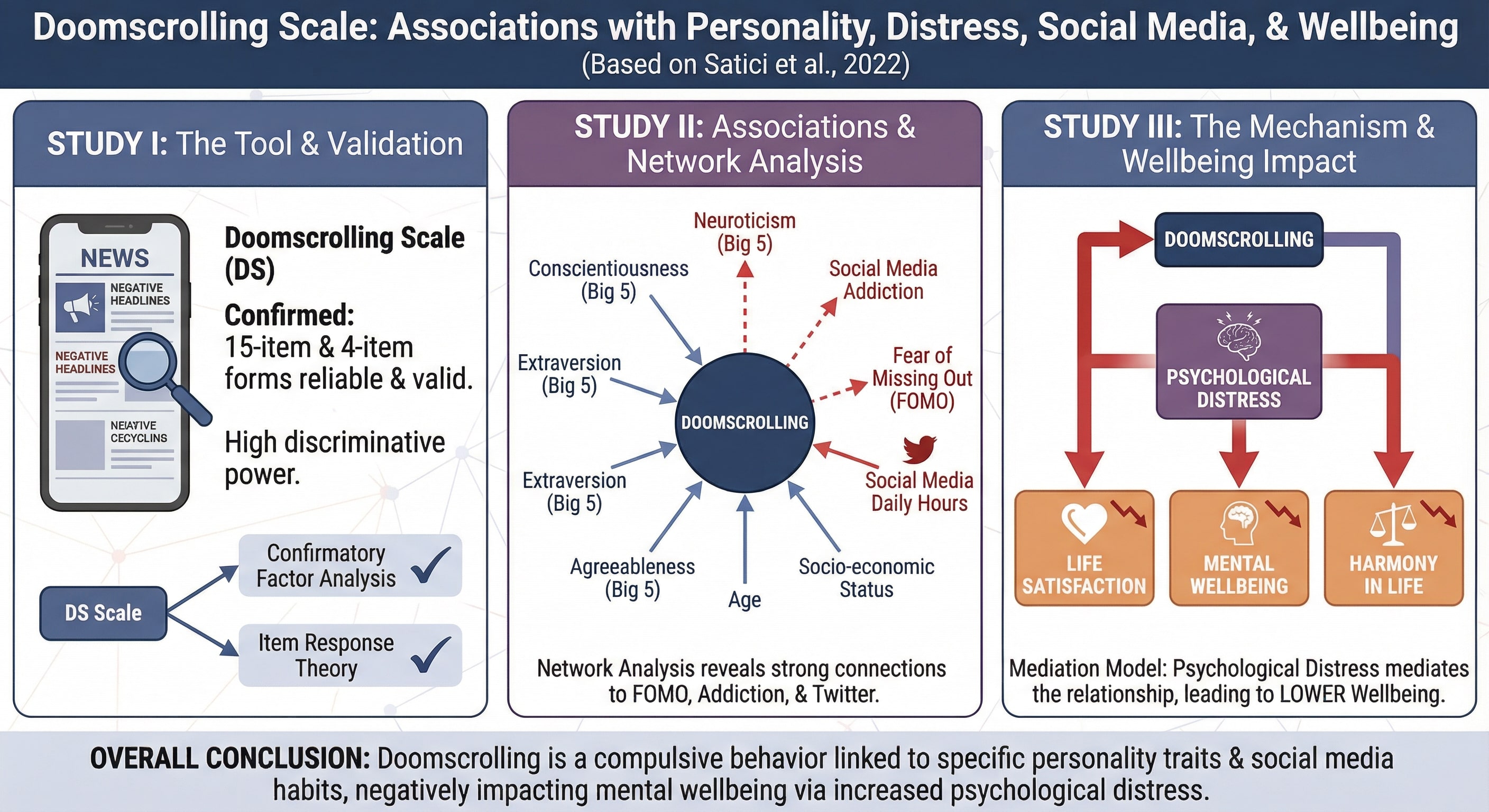
Consuming negative news for extended periods can lead to a wide range of physical and mental health effects. Some of the most significant impacts include:
- Disrupted sleep patterns
- Increased stress levels
- Physical tension and fatigue
- Affecting mental health, leading to anxiety and depression
Breaking the Habit of Doomscrolling
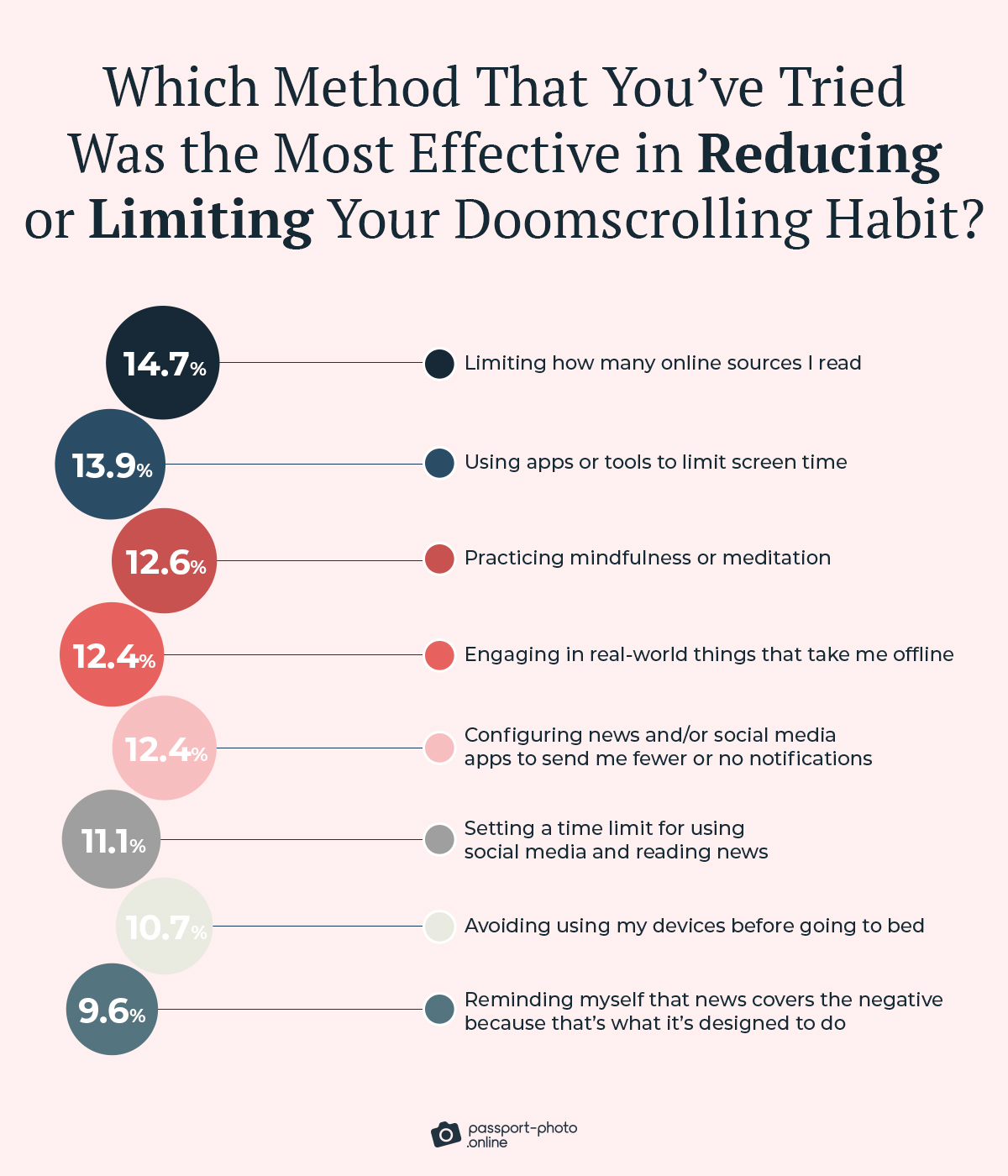
To stop the cycle of doomscrolling, you need to focus on replacing it with healthier habits. Here are some practical steps to help you break the habit:
- Map Your Patterns: Before changing your behavior, it helps to understand your patterns. For a few days, keep brief notes on when you start scrolling, what you were feeling or thinking beforehand, and how you felt afterwards.
- Set Time Boundaries: Limit your social media use to a set time each day. Try to avoid checking your phone immediately before bed and instead focus on a relaxing activity, such as reading a book.
- Curate Positive Content: Create a curated feed of positive content to counterbalance the negative effects of doomscrolling. Follow accounts and news sources that promote uplifting and inspiring stories.
- Engage in Mindful Activities: Replace scrolling with mindful activities that promote relaxation and reflection. Practice yoga, meditation, or simply take a walk outside to clear your mind.
- Use Apps to Help: There are many apps available that can help you track and limit your social media use. Try using apps like Freedom, SelfControl, or Moment to monitor your screen time and set goals for reduction.
Replacing Doomscrolling with Healthy Habits
Breaking the habit of doomscrolling requires a deliberate effort to create new neural pathways in our brains. By engaging in mindfulness practices, setting time boundaries, and curating positive content, we can replace the addictive pull of doomscrolling with healthier habits that nurture our minds and bodies.
Conclusion
The habit of doomscrolling may seem harmless, but its effects on our mental and physical health are very real. By understanding the root cause of doomscrolling, its impacts on our well-being, and implementing practical strategies to break the cycle, we can create a healthier relationship with technology and promoteright relationships with ourselves and others.