Understanding Digital Addiction and Hyperconnectivity: The Hidden Dangers of a Connected World
The Rise of Digital Addiction
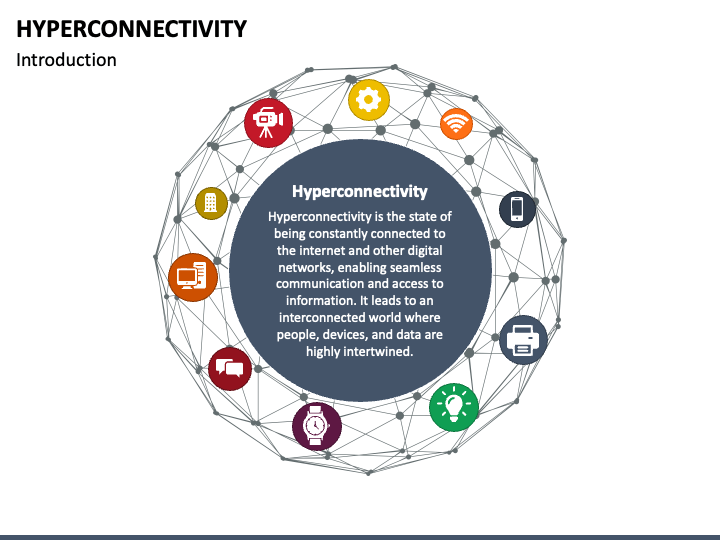
In today's digital age, it's no secret that technology has revolutionized the way we communicate, work, and socialize. However, beneath the surface of these advancements lies a growing concern: digital addiction and hyperconnectivity. Many have argued that digital technologies such as smartphones and social media are addictive, and recent studies have shed light on the economic and psychological implications of this phenomenon.Defining Digital Addiction and Hyperconnectivity
Digital addiction refers to the excessive and compulsive use of digital devices and online platforms, often leading to mental fatigue, anxiety, and social isolation. Hyperconnectivity, on the other hand, refers to the excessive use of digital devices and online platforms, which can lead to a state of constant distraction and decreased attention span.The Neuroscience of Hyperconnectivity
The brain's reward system, particularly the release of dopamine, plays a significant role in our interaction with digital devices. When we engage with digital media, our brains release feel-good chemicals such as dopamine, which can lead to cravings and compulsive behavior. This can undermine natural motivation and pleasure from non-digital activities, increasing the risk of addiction and significantly impacting mental well-being.The Psychological Impacts of Digital Addiction and Hyperconnectivity
Research has shown that digital addiction and hyperconnectivity can have severe psychological consequences, including:- Mental fatigue and reduced attention span
- Anxiety and depression
- Social isolation and decreased empathy
- Decreased productivity and reduced creativity
- Increased risk of addiction and impulse control disorders

The Impact on Mental Health
The widespread integration of mental health applications marks a significant transformation in mental healthcare. However, critical concerns remain about their clinical validity, ethical implications, and the risk of fostering digital dependence that may delay or replace necessary professional intervention.Addressing Digital Addiction and Hyperconnectivity
To mitigate the negative impacts of digital addiction and hyperconnectivity, it's essential to adopt responsible digital habits and prioritize face-to-face interactions. This can include:- Setting boundaries and limiting screen time
- Engaging in non-digital activities such as exercise, reading, and hobbies
- Practicing mindfulness and meditation
- Seeking professional help for addiction and related mental health concerns