Gofundme Campaign Setup Guide for Small Business: A Step-by-Step Guide
In today's digital age, crowdfunding has become a popular way for small businesses to raise funds for various purposes, including launching a new business, expanding an existing one, or rebuilding after a disaster. GoFundMe, a leading crowdfunding platform, offers a user-friendly interface and a vast network of potential donors. In this article, we'll walk you through a comprehensive GoFundMe campaign setup guide for small businesses, covering essential steps to create a successful campaign.
Step 1: Choose the Right Goal and Purpose
Before setting up your campaign, define your goal and purpose. Identify what you want to achieve through your GoFundMe campaign. This could be funding a new business venture, expanding an existing one, or rebuilding after a disaster. Having a clear goal in mind will help you create a compelling title, description, and story for your campaign.
Creating a Compelling Title and Description
Your title and description should clearly state the purpose of your campaign and grab the attention of potential donors. Use keywords related to your business or cause to improve search visibility. Ensure your title and description are concise, engaging, and accurately reflect the purpose of your campaign.
Setting a Realistic Funding Goal
Set a realistic funding goal based on your business needs and expectations. This will help you avoid disappointing your donors and ensure that your campaign remains transparent. Break down your goal into smaller, achievable milestones to create a sense of progression and encourage donors to contribute.
Step 2: Add a Compelling Story and Media
Your story is the heart of your campaign, and it's essential to make it engaging and relatable. Share your vision, mission, and the story behind your business. Use photos, videos, and other media to bring your story to life and make it more convincing.
Writing a Detailed and Engaging Story
Write a detailed and engaging story about your business, its mission, and why it's worth supporting. Highlight your unique selling points, values, and the impact you aim to make. Use storytelling techniques to create an emotional connection with your audience and inspire them to donate.
Adding Photos and Videos
Use high-quality photos and videos to showcase your business, products, or services. These visual elements will help donors understand your cause and make a more informed decision about contributing to your campaign.
Step 3: Set a Timeline and Track Progress

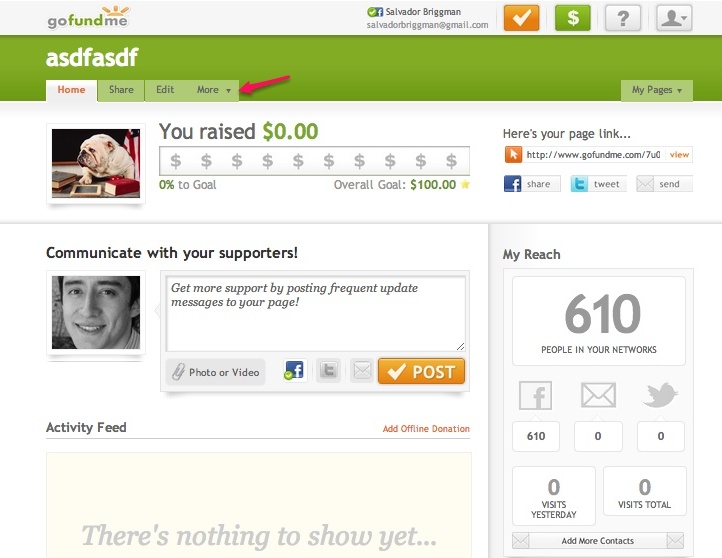
Set a realistic timeline for your campaign and track progress along the way. Break down your goal into smaller milestones and create a schedule for achieving them. Regularly update your donors on the progress you've made, and express gratitude for their support.
Setting a Realistic Timeline
Set a timeline that aligns with your business needs and expectations. Ensure it's realistic and achievable to avoid disappointing your donors and maintain transparency.
Tracking Progress and Updating Donors
Regularly update your donors on the progress you've made and express gratitude for their support. This will help maintain a strong connection with your audience and encourage further donations.
Step 4: Promote Your Campaign
Promoting your campaign is crucial to reaching your fundraising goal. Utilize various channels, including social media, email marketing, and local media, to spread the word about your campaign.
Utilizing Social Media
Use social media platforms to promote your campaign, share updates, and engage with your audience. Create a buzz around your campaign by sharing behind-the-scenes content, sneak peeks, and exclusive updates.
Email Marketing
Use email marketing to send targeted updates and promotions to your list. Share your campaign story, highlight your progress, and express gratitude to your donors.
Local Media
Reach out to local media outlets to share your campaign story and promote your business. This can include newspaper articles, radio interviews, and TV appearances.