Scaling a Business: Strategies for Sustainable Growth
Scaling a business is a complex and multifaceted process that requires careful planning, strategic execution, and a commitment to continuous improvement. As your business grows, it's essential to develop strategies that enable you to maintain product and operational quality, introduce new processes, and make informed decisions to achieve sustainable growth.
The Challenges of Scaling a Business
Scaling a business involves stepping out of your comfort zone, which requires a well-structured action plan to succeed. A major challenge entrepreneurs face is the ability to scale their business without compromising on quality, efficiency, or profitability. Without a clear plan, growth can become reactive and messy, leading to disorganization and chaos.
Key Strategies for Scaling a Business
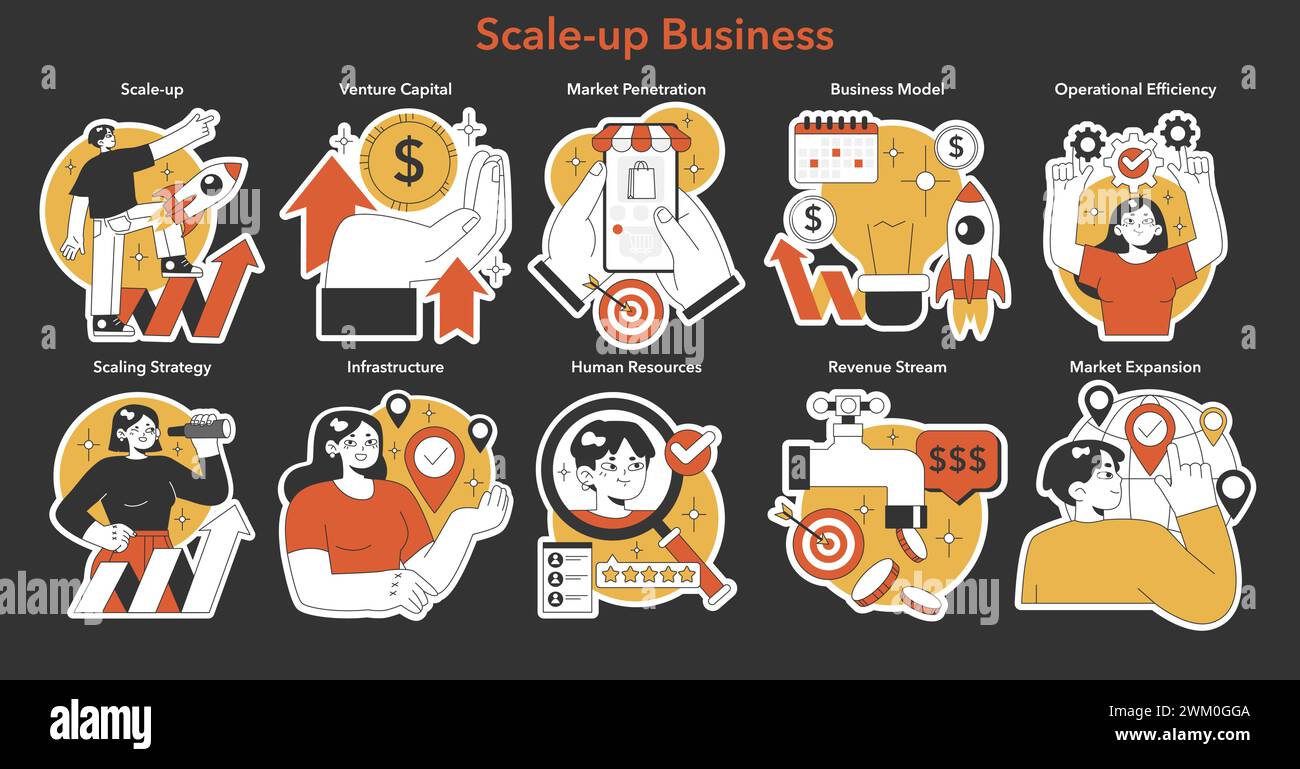
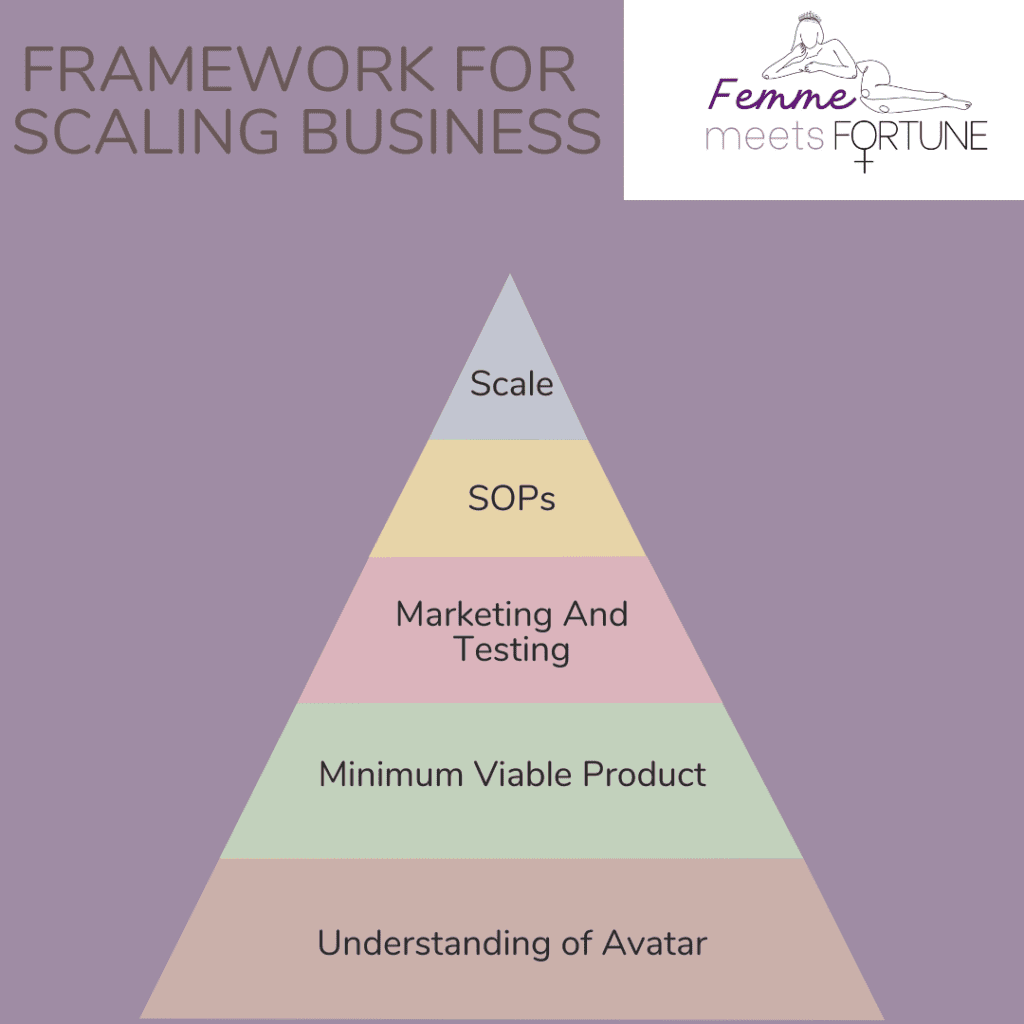
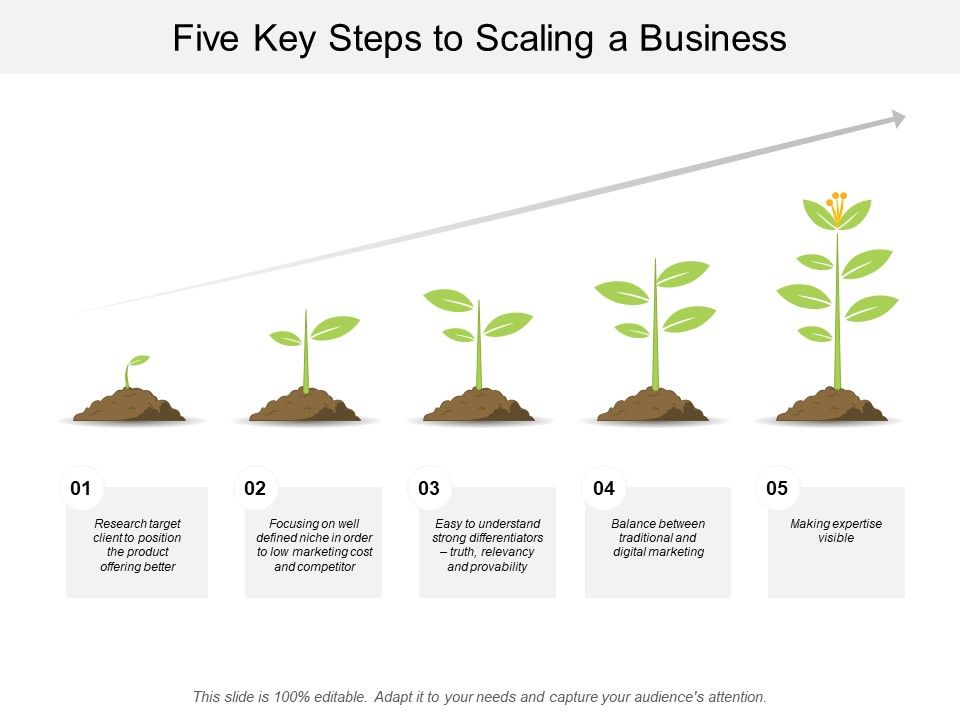
So, what are the essential strategies for scaling a business? Let's explore some key strategies to help you achieve sustainable growth:
- Develop a Scalable Growth Plan: A clear roadmap is crucial for scaling a business. Without a plan, growth becomes reactive and messy. Your growth plan should align your long-term vision with concrete steps your team can act on.
- Build a Strong Team: A strong team is essential for scaling a business. As your business grows, you'll need to hire and train new staff to handle increased demand, which requires a focus on recruitment, training, and employee development.
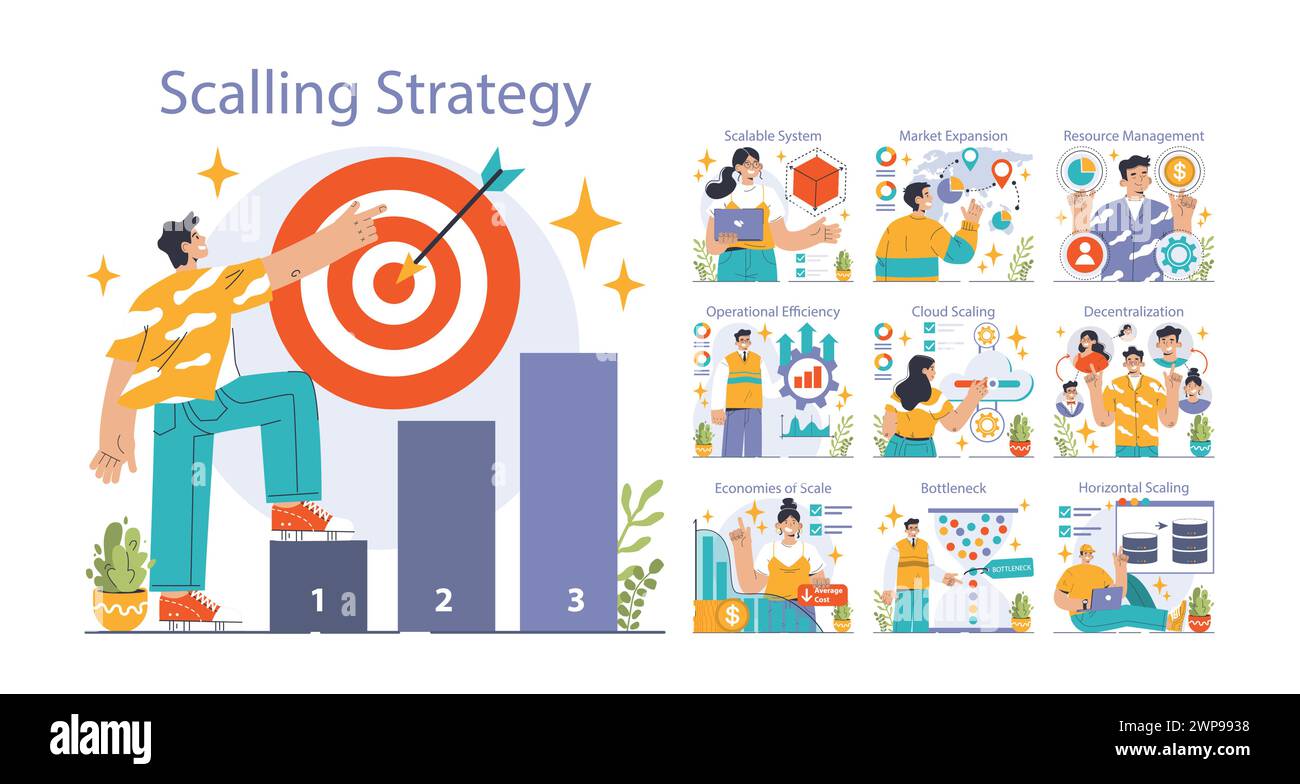
- Automate Processes: Automation is a key strategy for scaling a business. By automating repetitive tasks and processes, you can free up resources and reduce costs, allowing you to focus on high-value tasks that drive growth.
- Optimize Systems and Processes: As your business grows, it's essential to optimize systems and processes to maintain efficiency and productivity. This includes implementing new technology, streamlining operations, and eliminating waste.
- Secure Funding: Scaling a business requires adequate funding to invest in growth initiatives, hire new staff, and expand operations. You may need to explore various funding options, such as venture capital, private equity, or crowdfunding.
The Benefits of Scaling a Business
Scaling a business offers numerous benefits, including:
- Increased Revenue: Scaling a business enables you to increase revenue, which is essential for long-term growth and sustainability.
- Improved Efficiency: Automation, optimization, and process improvement enable you to reduce costs and increase productivity, making your business more efficient and profitable.
- Enhanced Competitiveness: A scalable business can respond quickly to changes in the market, making it more competitive and better equipped to adapt to new opportunities and challenges.
- Job Creation: Scaling a business can create new job opportunities, both directly and indirectly, contributing to economic growth and development.
Conclusion
Scaling a business is a significant endeavor that requires careful planning, strategic execution, and a commitment to continuous improvement. By developing a scalable growth plan, building a strong team, automating processes, optimizing systems and processes, and securing funding, you can achieve sustainable growth and maintain a competitive edge in the market. Remember, scaling a business is not about working harder or longer hours; it's about working smarter, creating systems and strategies that let your company grow revenue exponentially without a proportional increase in costs or resources.