Getting a Job in the Quality Control Industry: A Comprehensive Guide
Quality control is a crucial aspect of any industry or organization that aims to deliver products or services of high standards. Professionals in this field play a vital role in ensuring that products, materials, and processes meet industry standards, regulations, and customer expectations. If you're interested in pursuing a career in quality control, this article provides a comprehensive guide on how to get a job in the quality control industry.
What is Quality Control?
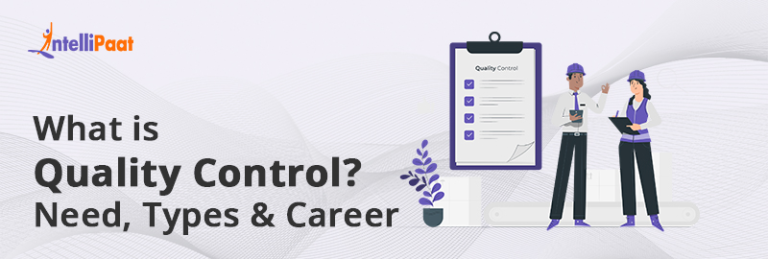
Quality control involves the systematic monitoring and evaluation of a product or service to ensure that it meets predetermined standards and specifications. Quality control professionals use various techniques, such as inspection, testing, and analysis, to identify defects, deviations, and other quality issues. By detecting and correcting quality problems early on, quality control professionals help prevent costly rework, improve productivity, and reduce the risk of product liability.
Key Roles and Responsibilities of a Quality Control Inspector
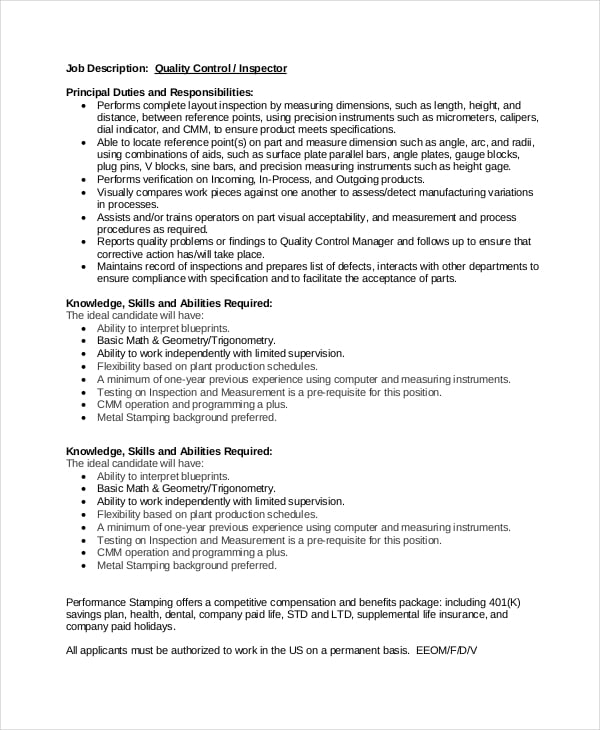
- Confirm that what's being produced matches what was promised, on paper, in regulations, and to the customer.
- Check the product, check the process, and document the results.
- Identify defects, deviations, and other quality issues.
- Develop and implement corrective actions to address quality issues.
- Collaborate with production teams to improve processes and reduce defects.
Getting a Job in the Quality Control Industry
To succeed in the quality control industry, you'll need a combination of technical knowledge, analytical skills, and communication abilities. Here are some steps to help you get a job in the quality control industry:
Networking and Professional Development
- Join industry associations related to quality control, such as the American Society for Quality (ASQ). li>Attend conferences, workshops, and webinars to stay updated on industry trends and best practices.
- Engage in online communities related to quality control to network with professionals and stay informed about job opportunities and professional development resources.
Education and Certifications
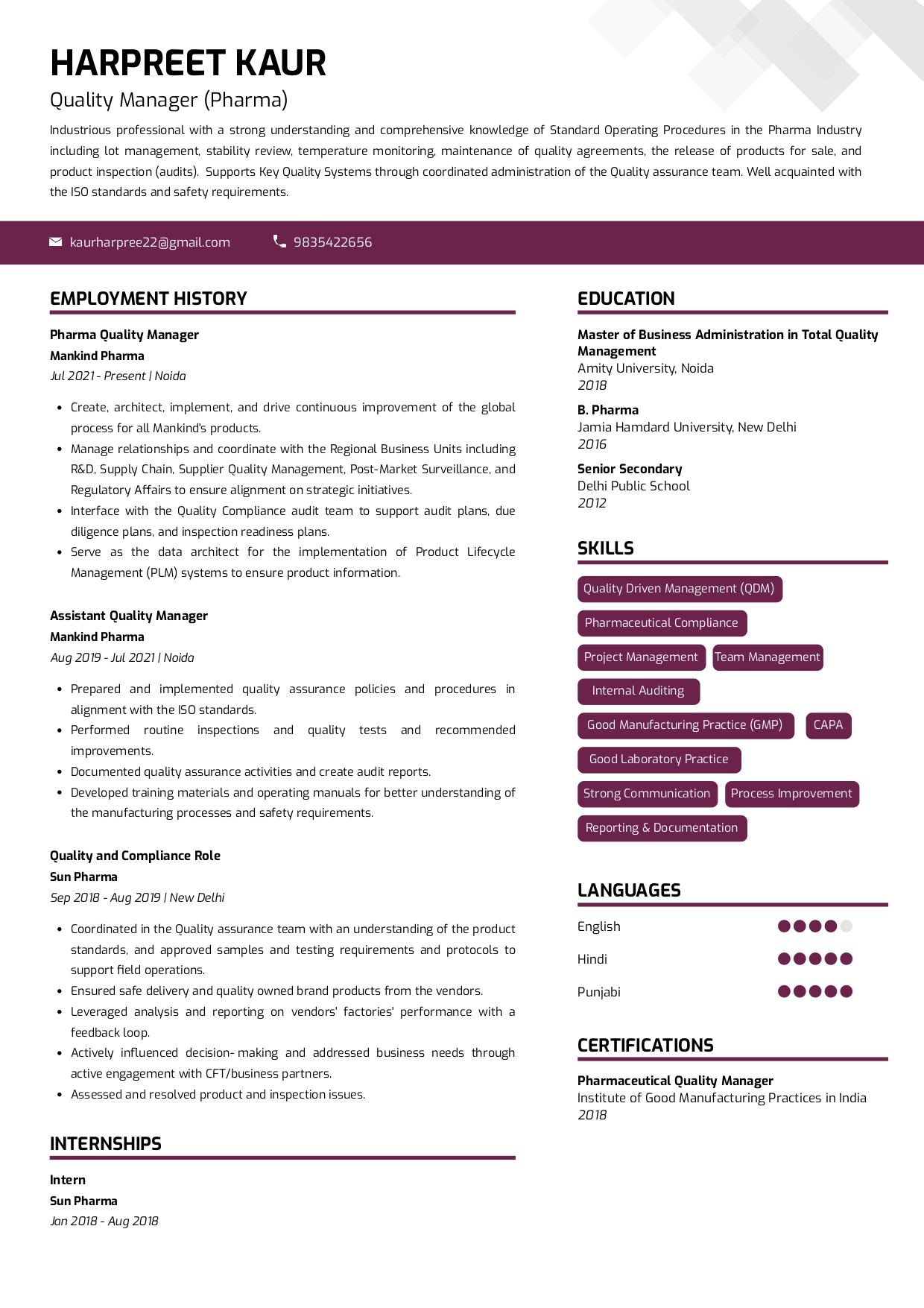
- Earn a bachelor's degree in a field related to quality control, such as engineering, statistics, or quality management.
- Consider earning a certification in quality control, such as the Certified Quality Engineer (CQE) or the Certified Quality Inspector (CQI).
Key Skills and Abilities
- Strong analytical and problem-solving skills.
- Excellent communication and interpersonal skills.
- Attention to detail and organizational skills.
- Familiarity with industry-specific regulations and standards.
Career Paths in Quality Control
The quality control industry offers various career paths, from entry-level positions to senior leadership roles. Here are some potential career paths:
- Quality Control Inspector: responsible for inspecting products and materials to ensure they meet quality standards.
- Quality Engineer: designs and implements processes and procedures to improve quality.
- Quality Assurance Manager: oversees quality control programs and ensures compliance with industry regulations and standards.
- Continuous Improvement Specialist: identifies opportunities for process improvements and implements changes to improve quality and efficiency.
Conclusion
Getting a job in the quality control industry requires technical knowledge, analytical skills, and communication abilities. By following the steps outlined in this article, you'll be well on your way to a successful career in quality control. Remember to stay up-to-date with industry trends and best practices, and continuously develop your skills and knowledge to advance in your career.


/Blog%20Headers/shutterstock_2133827717%20(1).jpg "Understanding the Quality Control Role & How to Become One | Jan 12, 2026")