FOMO in Online Reputation Management: The Rise of Fear in the Digital Age
The digital age has given rise to a new phenomenon: the fear of missing out, or FOMO. Initially thought to affect only social media enthusiasts, FOMO has spread to various aspects of our lives, including online reputation management. In this article, we'll delve into the world of FOMO in online reputation management and explore its impact on businesses.
The Psychology of FOMO
FOMO is a psychological phenomenon that occurs when individuals feel anxious about missing out on certain experiences, events, or information. In the context of online reputation management, FOMO can refer to the fear of missing out on online content, interactions, or reviews that can affect a business's reputation.
According to research, FOMO can lead to anxiety, interrupted sleep, and other negative consequences. In the context of online reputation management, FOMO can manifest in the form of paranoia, where business owners feel compelled to constantly monitor their online presence, fearing that a negative review or comment will slip by unnoticed.
The Impact of FOMO on Online Reputation Management
FOMO can have a significant impact on online reputation management, particularly in the context of social media. When individuals feel anxious about missing out on online content, they may become more vigilant in their social media monitoring, leading to a higher volume of online interactions. While this may seem beneficial, it can also lead to a 'filter bubble' effect, where individuals are only exposed to information that confirms their pre-existing biases.
In the context of online reputation management, FOMO can lead to a reactive rather than proactive approach. Business owners may feel compelled to respond to every negative review or comment, rather than taking a more strategic approach to addressing online reputation issues.
Strategies for Managing FOMO in Online Reputation Management

So, how can businesses manage FOMO in online reputation management? Here are a few strategies:
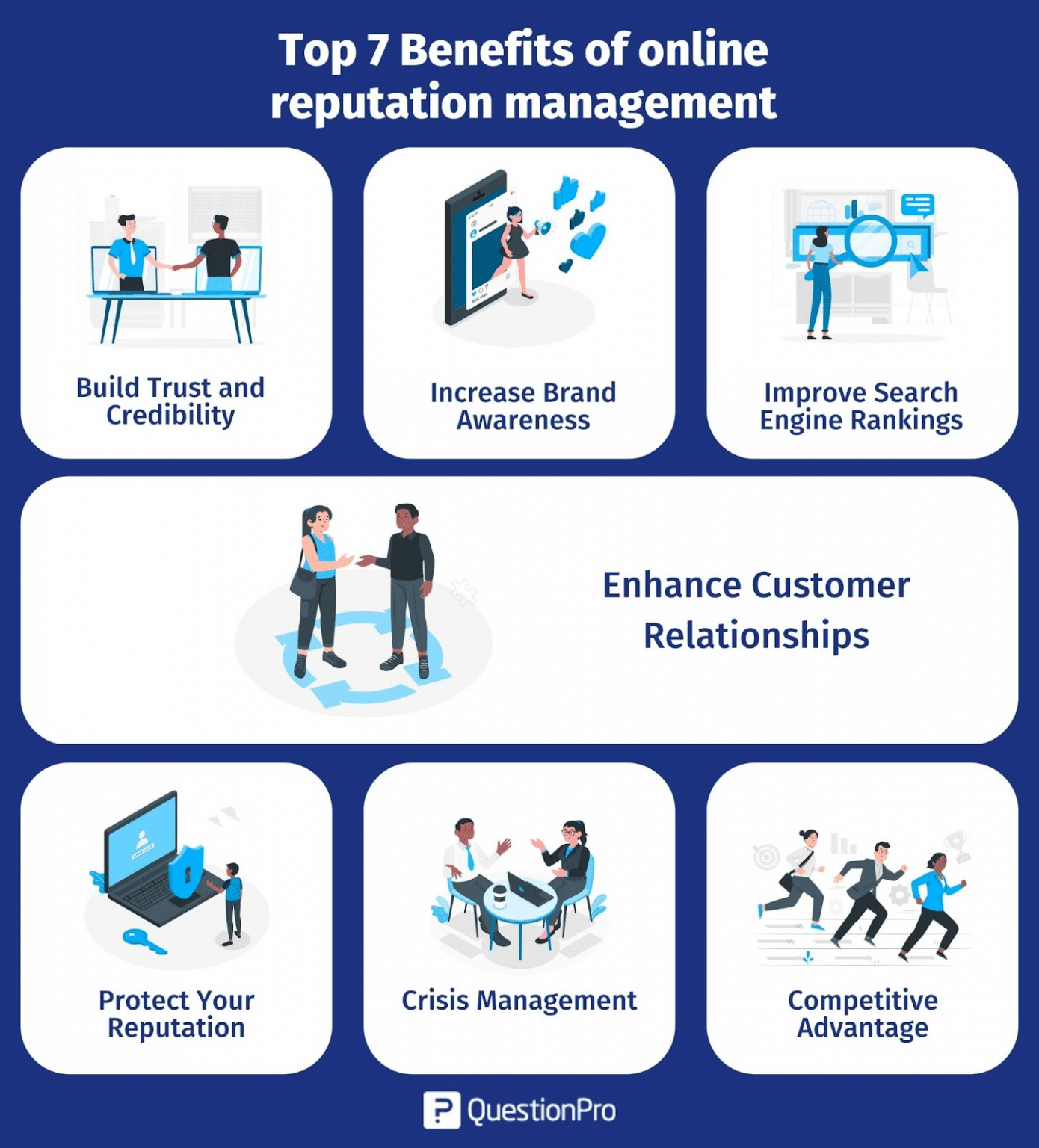
- Implement a Proactive Approach: Instead of reacting to negative reviews and comments, businesses can take a proactive approach to addressing online reputation issues. This may involve engaging with customers, responding to reviews in a timely and effective manner, and implementing a reputation management strategy that addresses potential online risks.
- Monitor Online Presence: While FOMO can lead to a 'filter bubble' effect, monitoring online presence can help businesses stay ahead of the curve. By setting up Google Alerts and social media listening tools, businesses can stay informed about online conversations related to their brand.
- Develop a Crisis Management Plan: A crisis management plan can help businesses respond effectively to online reputation issues, reducing the impact of FOMO on their reputation. This plan should include strategies for addressing negative reviews, responding to customer complaints, and mitigating the effects of online crises.
- Focus on Brand Storytelling: FOMO can lead to a focus on individual experiences rather than the broader brand narrative. By focusing on brand storytelling, businesses can shift the attention from individual events to the bigger picture, reducing the impact of FOMO on their reputation.
Conclusion
FOMO in online reputation management is a complex issue, driven by the fear of missing out on online content, interactions, or reviews. By understanding the psychology behind FOMO and implementing proactive strategies, businesses can manage FOMO and maintain a positive online reputation. By monitoring online presence, developing a crisis management plan, and focusing on brand storytelling, businesses can stay ahead of the curve and reduce the impact of FOMO on their reputation.
Recommendations for Businesses
Here are some recommendations for businesses looking to manage FOMO in online reputation management:
-
Monitor online presence through Google Alerts and social media listening tools.
-
Develop a crisis management plan that addresses online reputation issues.
-
Focus on brand storytelling to shift attention from individual events to the bigger picture.
-
Implement a proactive approach to addressing online reputation issues.