Understanding Addiction to Screen Time: A Growing Concern for Mental and Physical Health
With the rapid advancement of technology, it's no surprise that our screen time has increased significantly over the years. Gone are the days when people used to spend their evenings reading books or engaging in face-to-face conversations. Today, the average person spends a significant amount of time glued to their screens, whether it's for work, entertainment, or social media.
What is Addiction to Screen Time?
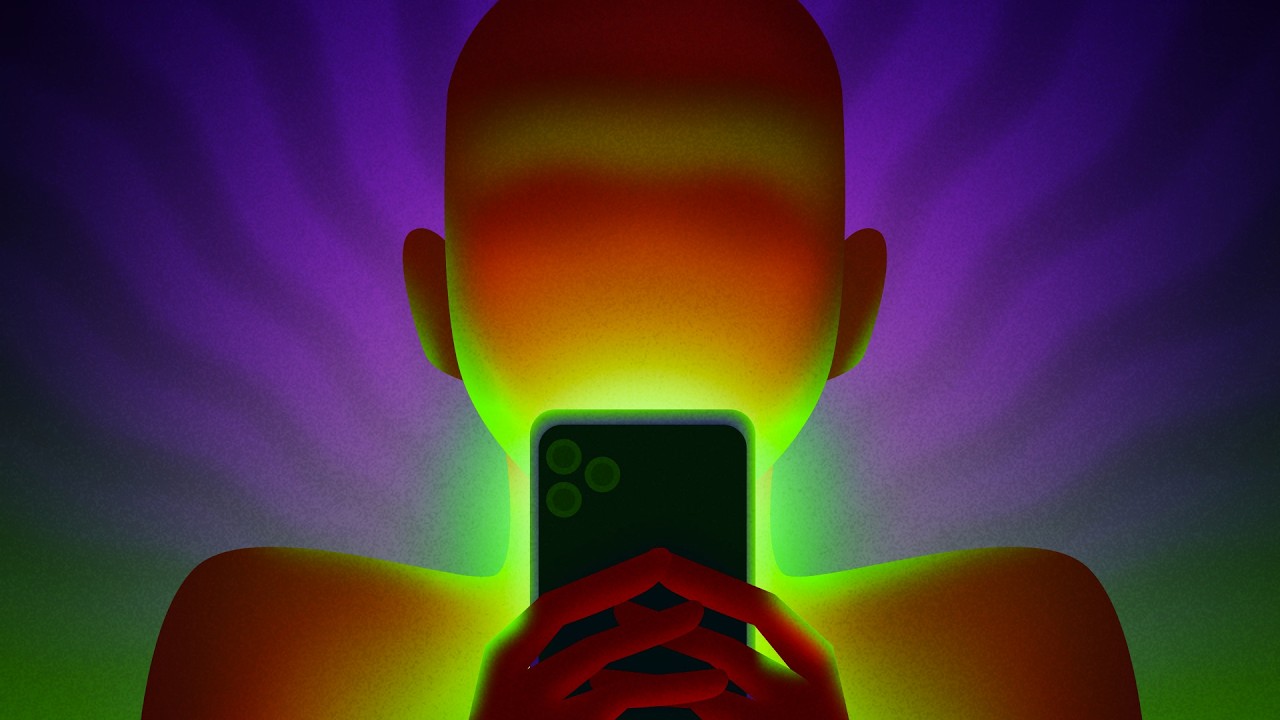
Screen addiction, also known as digital addiction or screen dependence, is a behavioral disorder characterized by an excessive and compulsive use of digital devices, such as smartphones, tablets, and computers. This addiction can lead to a range of negative consequences, including decreased productivity, impaired relationships, and deteriorated mental and physical health.
Signs and Symptoms of Screen Addiction
- Spending excessive amounts of time on digital devices, often to the point of neglecting other important aspects of life.
- Feeling anxious or restless when unable to access digital devices or feeling a strong urge to constantly check notifications.
- Experiencing withdrawal symptoms, such as irritability or mood swings, when trying to cut down on screen time.
- Using digital devices as a coping mechanism for stress, anxiety, or depression.
- Neglecting important tasks or responsibilities due to excessive digital device use.
These signs and symptoms can have severe consequences on both mental and physical health, including anxiety, depression, insomnia, eye strain, and even social isolation.
Effects of Screen Addiction on Mental Health
- Increased risk of anxiety and depression: Excessive screen time has been linked to an increased risk of anxiety and depression, particularly in children and adolescents.
- Sleep disturbances: Exposure to screens before bed can disrupt sleep patterns, leading to insomnia and other sleep-related issues.
- Reduced attention span: The constant bombardment of information from digital devices can lead to a reduced attention span and decreased ability to focus on tasks.
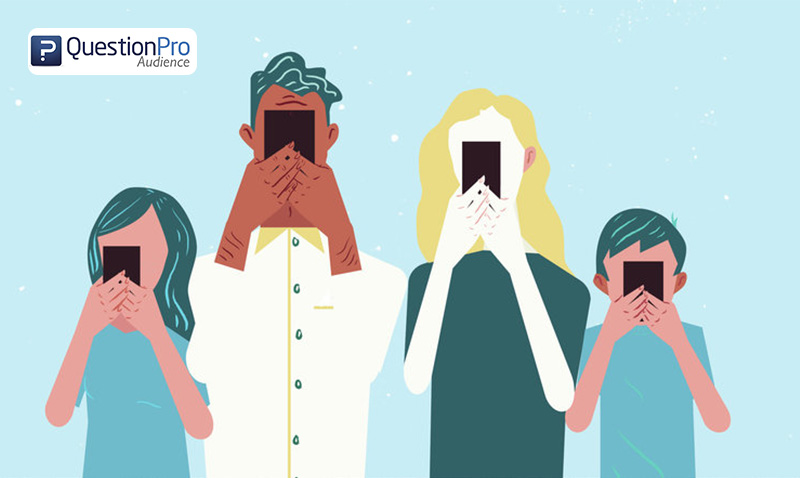
- Impaired relationships: Excessive screen time can lead to social isolation, decreased face-to-face communication, and strained relationships.
- Increased risk of addiction: The constant access to digital devices can lead to a range of addictions, including social media addiction and online gaming addiction.
Breaking Free from Screen Addiction
So, how can you break free from screen addiction and start leading a healthier, more balanced life? Here are some simple yet effective tips:
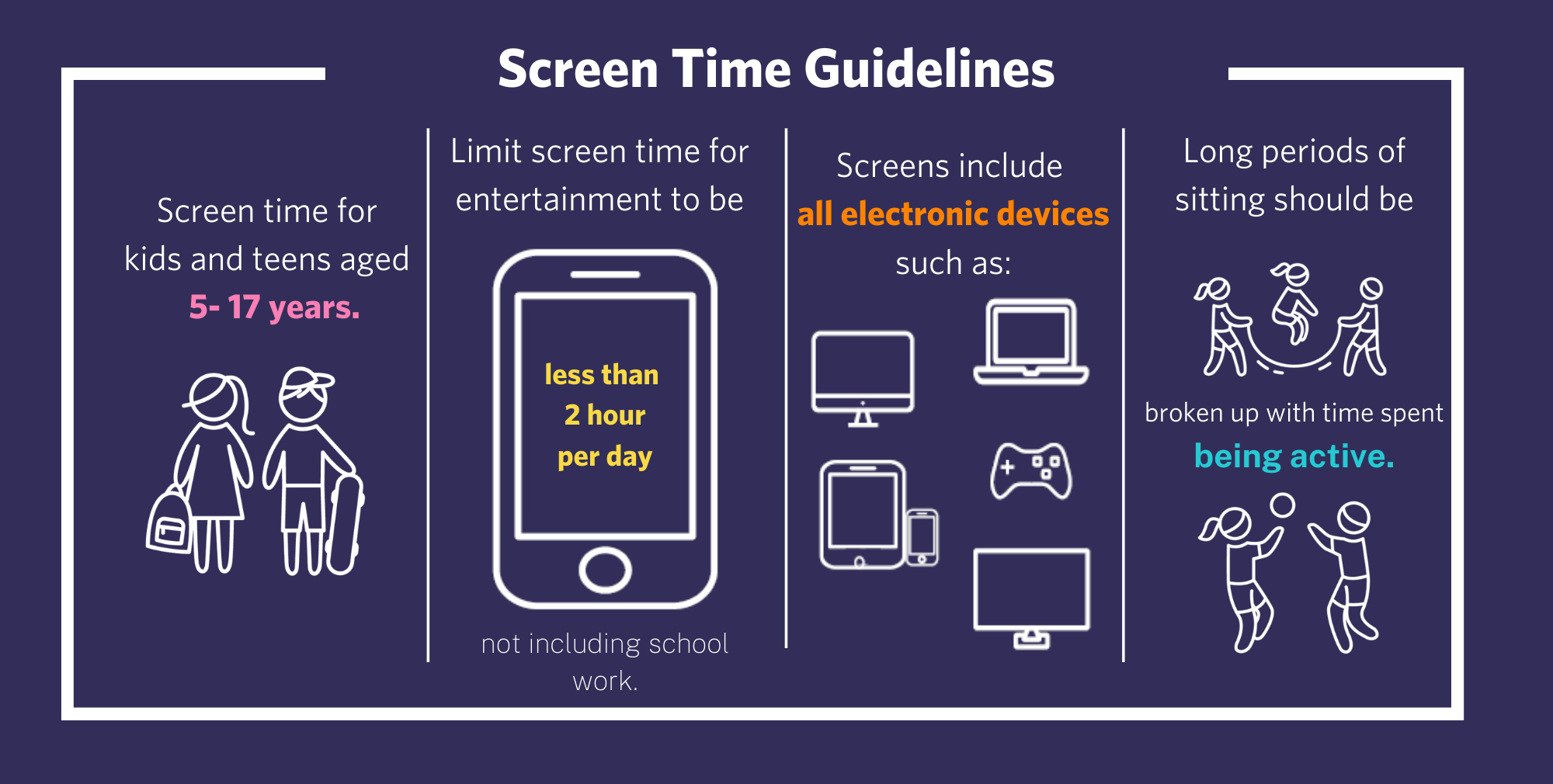
- Set screen time limits: Use built-in features or apps to set limits on your screen time, such as the Screen Time feature on iOS devices or the Digital Wellbeing app on Android devices.
- Designate screen-free zones: Make your bedroom or living room a screen-free zone, and establish screen-free times, such as during meals or before bed.
- Engage in activities: Replace screen time with physical activities, hobbies, or creative pursuits that bring you joy and fulfillment.
- Practice mindfulness: Regular mindfulness practice can help you develop greater awareness of your screen use and equip you with the skills to manage it.
Conclusion
Addiction to screen time is a growing concern that affects millions of people worldwide. By understanding the signs and symptoms of screen addiction, we can take the first step towards breaking free from its grasp. By incorporating simple yet effective strategies into our daily lives, we can start leading healthier, more balanced lives and take control of our screen time.