Getting a Good Night's Sleep: Unlock the Secret to Better Health
Are you tired of feeling tired all the time? Do you struggle to fall asleep or stay asleep at night? Getting a good night's sleep is essential for overall health and well-being, and it's not just about feeling rested and refreshed in the morning. A good night's sleep has a profound impact on our physical and mental health, and can even improve our relationships and productivity.
The Importance of a Good Night's Sleep
Getting a good night's sleep is not just a luxury, it's a necessity. Research has shown that not getting enough sleep can increase the risk of chronic diseases such as high blood pressure, heart disease, diabetes, obesity, depression, and stroke. It can also impair our cognitive function, making it difficult to concentrate, remember things, and make sound decisions. In fact, the National Sleep Foundation estimates that 1 in 4 people experience sleep difficulties, including trouble falling asleep, staying asleep, early morning waking, sleeping too much, or restless or unsatisfying sleep.
15 Evidence-Based Tips for Getting a Good Night's Sleep
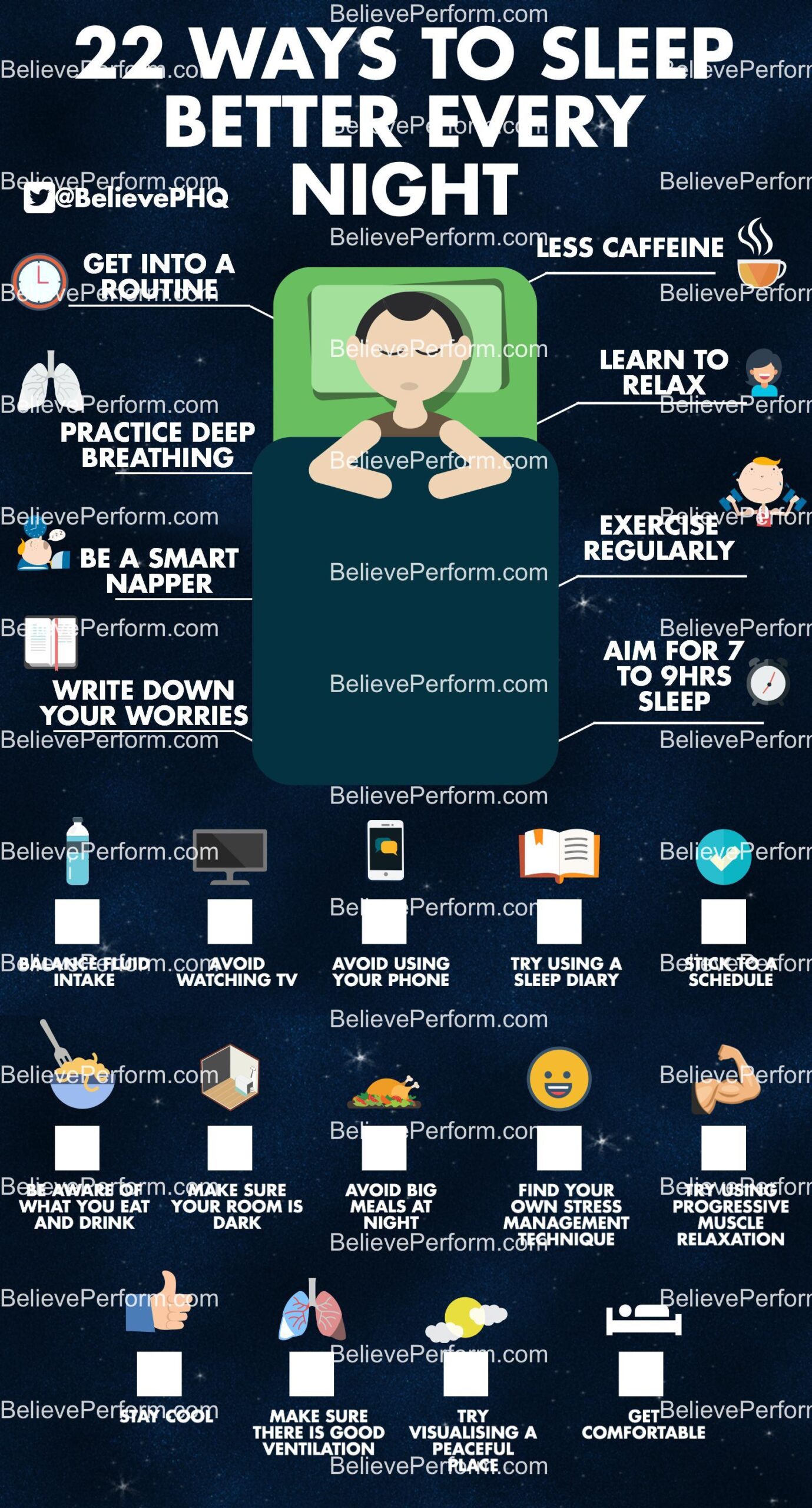
So, how can you improve your sleep quality and get a good night's sleep? Here are 15 evidence-based tips to help you get started:
- Establish a regular sleep schedule: Go to bed and wake up at the same time every day, including weekends.
- Practice good sleep hygiene: Create a relaxing bedtime routine, avoid caffeine and electronics before bedtime, and create a sleep-conducive environment.
- Stay physically active: Regular exercise can help improve sleep quality, but avoid vigorous exercise within a few hours of bedtime.
- Manage stress: Try relaxation techniques such as meditation, deep breathing, or yoga to help calm your mind and body.
- Get enough sunlight: Exposure to natural light can help regulate your circadian rhythms.
- Limit naps: Long naps can interfere with your ability to sleep at night, so keep them short and avoid them close to bedtime.
- Avoid heavy meals before bedtime: Eating a large meal can disrupt your sleep patterns.
- Stay hydrated: Drink plenty of water throughout the day, but avoid fluid intake close to bedtime.
- Limit screen time before bed: The blue light emitted by electronic devices can suppress melatonin production.
- Try progressive muscle relaxation: This technique can help you relax and fall asleep faster.
- Consider keeping a sleep diary: Tracking your sleep patterns can help you identify areas for improvement.
- Get comfortable: Make sure your bedroom is dark, quiet, and at a comfortable temperature.
- Avoid stimulating activities before bedtime: Activities that stimulate the mind and body, such as exercise or watching TV, can interfere with sleep.
- Consider seeking professional help: If you continue to struggle with sleep, consult with a healthcare professional for personalized guidance.
- Practice good sleep safety: Avoid substances that can interfere with sleep, such as caffeine, nicotine, and certain medications.

Getting a Good Night's Sleep for Better Health
Getting a good night's sleep is not just about feeling rested and refreshed in the morning. It's about maintaining overall health and well-being. Chronic sleep deprivation can lead to a range of health problems, including cardiovascular disease, diabetes, and depression. It can also impair cognitive function, making it difficult to concentrate, remember things, and make sound decisions.
The Risks of Not Getting Enough Sleep
The risks of not getting enough sleep are:
- Cardiovascular disease: Chronic sleep deprivation can increase the risk of heart disease, high blood pressure, and stroke.
- Diabetes: Research has shown that sleep deprivation can increase the risk of developing diabetes.
- Mood disorders: Sleep deprivation can lead to depression, anxiety, and irritability.
- Impaired cognitive function: Lack of sleep can affect attention, memory, and decision-making abilities.
- Increased risk of accidents: Drowsy driving and workplace accidents are common consequences of not getting enough sleep.



/how-to-get-better-sleep-5094084-regular-FINAL-2c371001cada4ad391f6de53fc6053c9.png "Ten Tips for a Good Night's Sleep - Sleep Health Foundation")