Supplementing Melatonin in Dogs: A Comprehensive Guide
Melatonin supplements are widely used to promote a good night's sleep in humans, but their use in dogs is not as well-documented. While there is limited research on melatonin supplements for dogs, studies suggest that they may be beneficial in addressing anxiety, hair loss, and sleep disorders in canines. In this article, we will delve into the topic of supplementing melatonin in dogs, exploring its benefits, safety considerations, and helpful tips for pet owners.
When to Use Melatonin for Dogs
While melatonin supplements are most commonly associated with sleep, their use in dogs can be beneficial in addressing various health concerns. According to studies, melatonin can help improve anxiety, fear, stress, sleep issues, and hormone problems in dogs. However, it is essential to note that the dose of melatonin is determined by the dog's weight, with 0.1 milligrams of melatonin per kilogram of body weight being a general guideline.
Benefits of Melatonin Supplements for Dogs
- Reduces anxiety symptoms: Melatonin works by binding to receptors in the brain and affecting the levels of neurotransmitters, such as serotonin, which are involved in regulating mood and anxiety.
- Helps with sleep disorders: Melatonin supplements can promote relaxation and a sense of calm in dogs, making it easier for them to fall asleep and stay asleep.
- Tackles hair loss: Melatonin may help regulate hair growth and reduce shedding in dogs.
- Supports cognitive function: Melatonin has been shown to have a positive effect on cognitive function in older dogs, reducing the risk of age-related cognitive dysfunction.
When to Avoid Melatonin Supplements for Dogs
While melatonin supplements can be beneficial for dogs, there are certain situations where they should be avoided. For example:
- If your dog has low blood sugar: Melatonin can cause blood sugar levels to drop, making it a potential concern for dogs with hypoglycemia.
- During pregnancy or lactation: Melatonin can stimulate the uterus and cause premature labor, making it inadvisable for pregnant or lactating dogs.
- In dogs with kidney disease: Melatonin can accumulate in the kidneys and exacerbate kidney disease, making it essential to monitor your dog's kidney health closely.
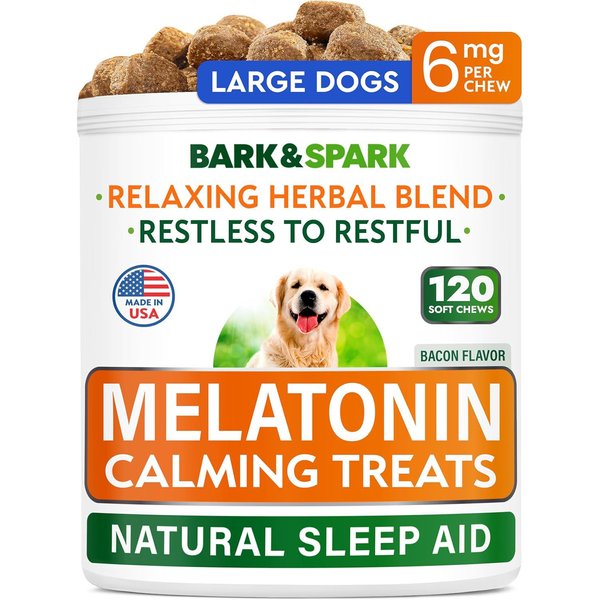
Choosing the Right Melatonin Supplement for Your Dog
With the numerous melatonin supplements available on the market, it can be overwhelming to choose the right one for your dog. When selecting a supplement, consider the following factors:
- Consult with your veterinarian: Your veterinarian can recommend the best melatonin supplement for your dog, taking into account their age, weight, and health conditions.
- Look for natural ingredients: Choose a supplement that contains natural ingredients, such as chamomile, passion flower, and thiamine mononitrate.
- Consider the dosage: Make sure the supplement is specifically designed for dogs and follows the recommended dosage guidelines.
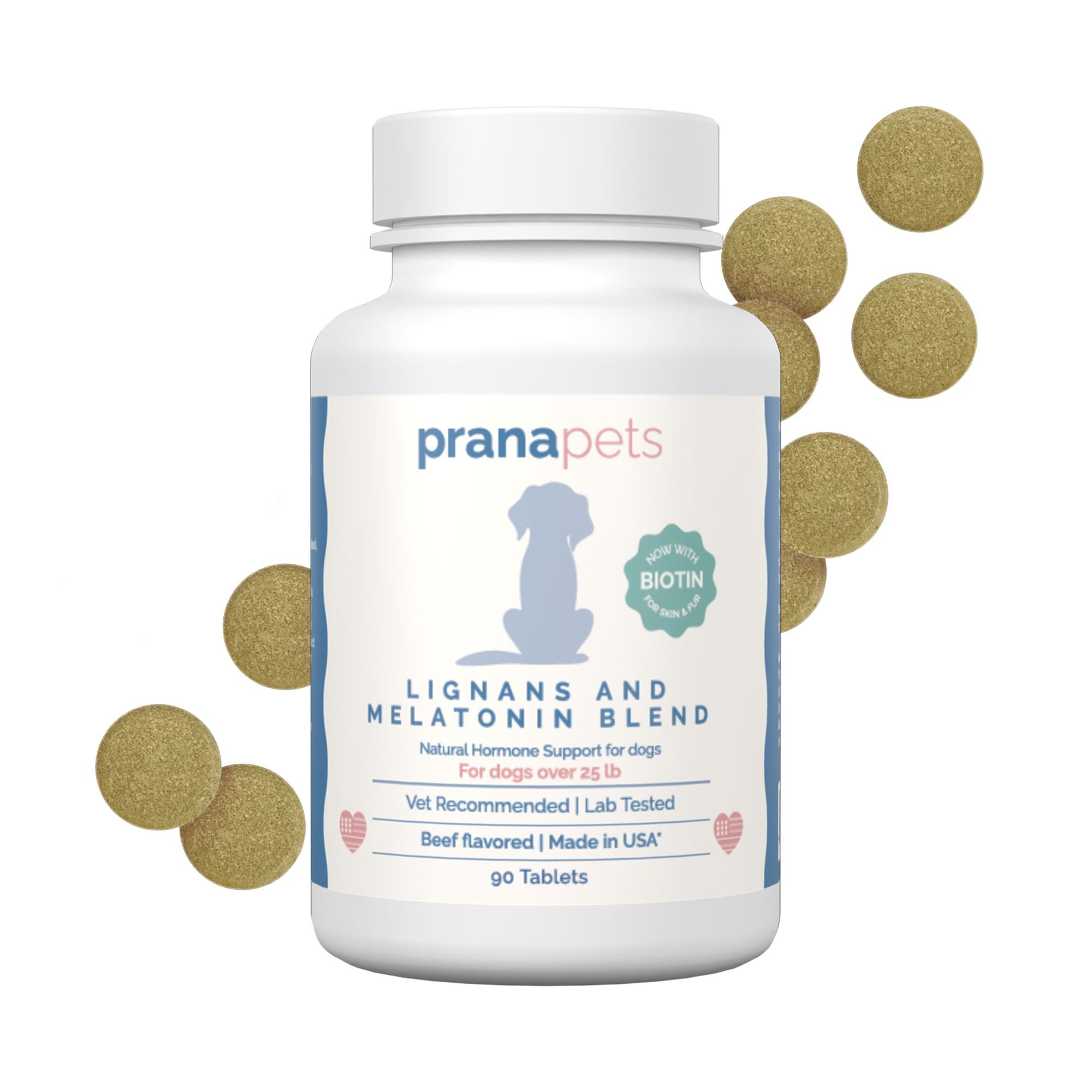
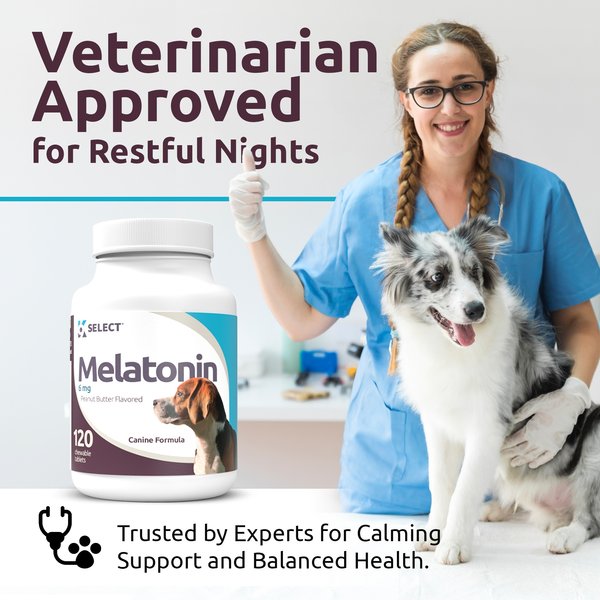
Popular Melatonin Supplements for Dogs
Here are some popular melatonin supplements for dogs that have received positive reviews from pet owners:
- Waggedy Melatonin Supplement for Dogs: This supplement contains chamomile, thiamine mononitrate, passion flower, and melatonin to calm your pet during stressful events.
- Melatonin Supplement for Dogs by NaturVet: This natural supplement is designed to help dogs relax and sleep peacefully, making it an excellent choice for anxious dogs.
- Quiet Moments Melatonin Soft Chew Calming Supplement Treats for Dogs: These chewable treats contain melatonin, thiamine, and L-tryptophan to promote relaxation and reduce stress in dogs.
Conclusion
Supplementing melatonin in dogs can be a safe and effective way to address various health concerns, ranging from anxiety and sleep disorders to hair loss and cognitive dysfunction. However, it is crucial to consult with your veterinarian before giving your dog melatonin, as they can recommend the best supplement and dosage for your dog's specific needs. By choosing a natural, veterinarian-recommended melatonin supplement and following the recommended dosage guidelines, you can help your dog live a happier, healthier life.