Why People Engage in Phubbing: Understanding the Complexities of Modern Communication
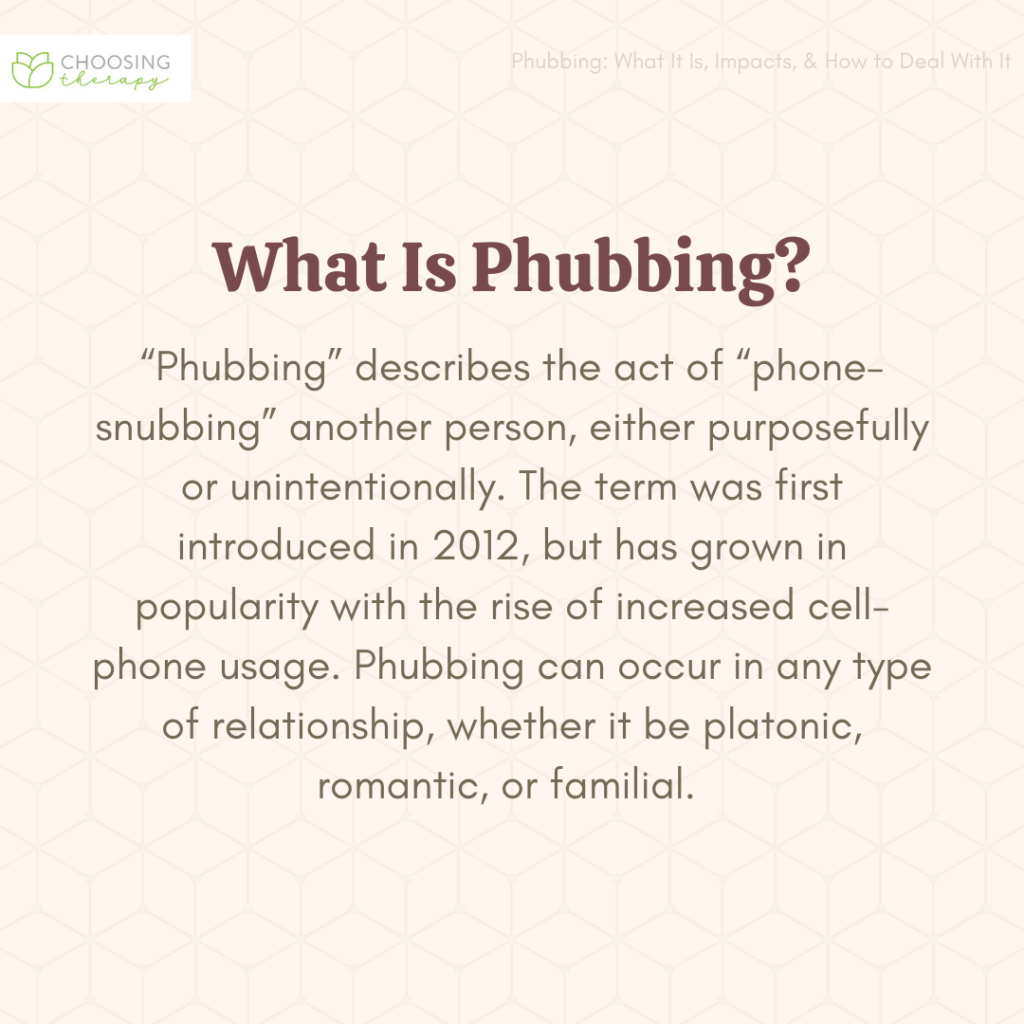
Phubbing, or the act of ignoring someone in favor of one's phone, has become a pervasive phenomenon in today's digital age. The term, coined by Australian researchers in 2010, refers to the practice of snubbing others in face-to-face interactions to focus on one's mobile phone. In this article, we will delve into the reasoning behind people's phubbing behavior, exploring its psychological foundations, social consequences, and impact on relationships.
Reasons Behind Phubbing Behavior
Research suggests that phubbing is often a habitual behavior driven by various factors. According to a study published in the Journal of Digital and Media Literacy, individuals who experience social anxiety, fear of missing out (FOMO), and boredom proneness are more likely to engage in phubbing. Moreover, people who struggle with addiction, particularly smartphone addiction, may find themselves constantly checking their phones, leading to phubbing behavior.
Phubbing: A Reflection of Modern Life
Phubbing is not merely a quirk or a habit; it's a symptom of a broader cultural shift. In an era where technology has become an integral part of our lives, people are increasingly glued to their screens. The "always-on" culture and the need for constant connectivity have created an environment where phubbing has become a widespread phenomenon. Social media platforms, in particular, have played a significant role in perpetuating phubbing behavior, as users often find themselves mindlessly scrolling through feeds during social interactions.
Impact on Relationships and Social Consequences
The consequences of phubbing are multifaceted and far-reaching. Research has shown that phubbing can lead to feelings of isolation and disconnection among individuals who are phubbed. Repeated exposure to phubbing can also damage relationships, erode trust, and impair communication. Furthermore, phubbing can have a profound impact on social relationships, as people become increasingly frustrated with being ignored and substituted with their phones.
Strategies to Combat Phubbing

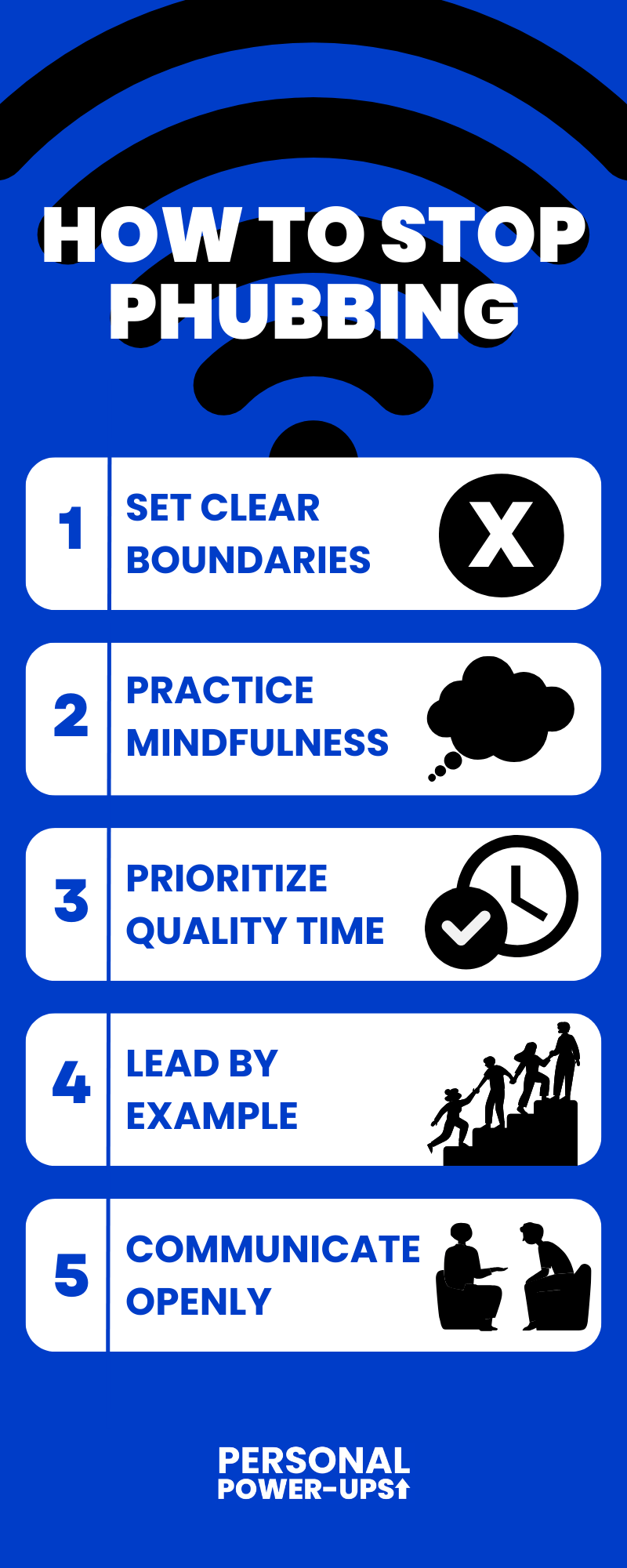
Breaking the phubbing habit requires a combination of self-awareness, communication skills, and intentional behaviors. Here are some strategies to help you combat phubbing and foster healthier social connections:
- Establish phone-free zones and times.
- Engage in active listening and empathy.
- Practice mindfulness and presence.
- Develop healthy phone use habits.
- Communicate openly with others about phone use.
Conclusion
Phubbing is a complex issue that demands attention, understanding, and intentional actions. By exploring the reasoning behind phubbing behavior, we can begin to address the underlying causes and develop strategies to combat this pernicious habit. As we move forward in an increasingly digital world, it's essential to cultivate empathy, presence, and meaningful connections with others, unencumbered by the constant distractions of our phones.
References
Chotpitayasunondh, V., & Douglas, K. M. (2016). Why do people engage in phubbing? An empirical study integrating fear of missing out, boredom proneness, and smartphone use.
Marsh, J., & Williams, K. (2020). Phubbing: A review of the literature.
Perbeck, A. (2020). The impact of phubbing on social relationships.









.webp "What is Phubbing and How to Combat It - Attachment Project")