Effective Weight Loss Strategies for Beginners: A Comprehensive Guide
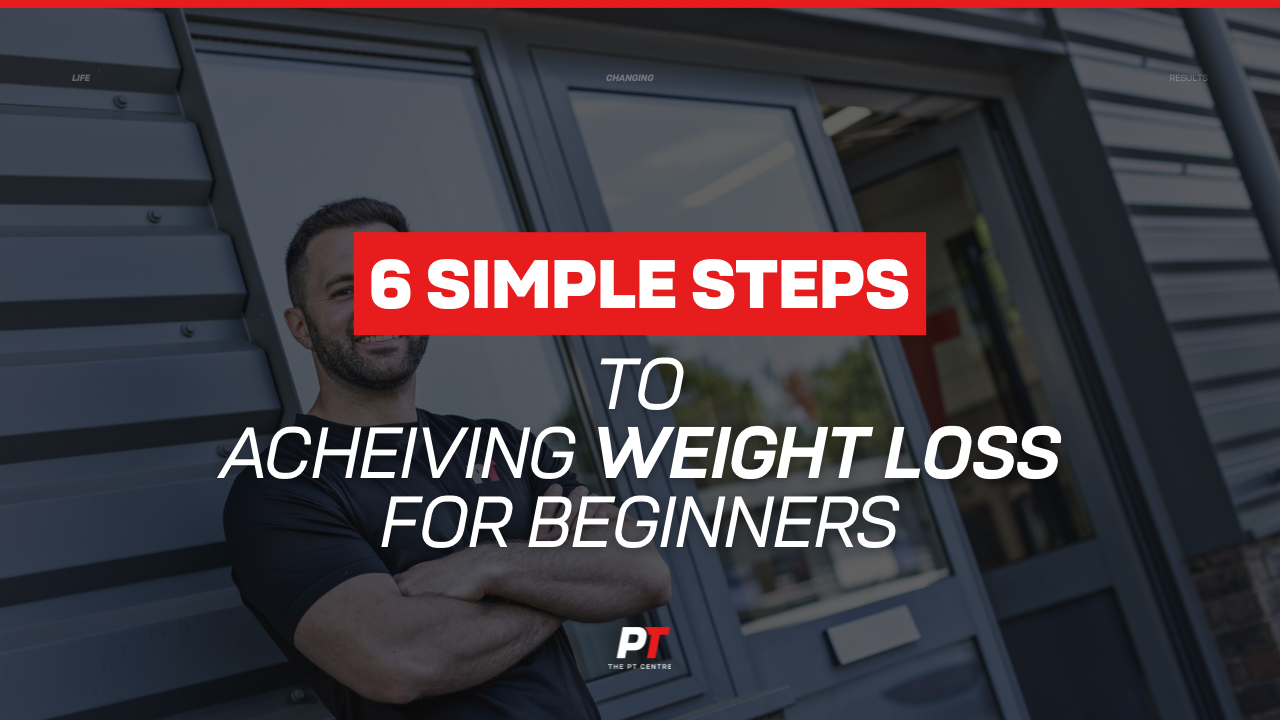
Are you struggling to start your weight loss journey? Do you feel overwhelmed by the numerous diets and exercise programs available? Don't worry, you're not alone. Losing weight can be complex, but with the right guidance, you can achieve a healthy and sustainable weight loss. In this article, we'll outline effective weight loss strategies for beginners that will help you get started on your journey to a healthier lifestyle.
Understanding the Basics of Weight Loss
Before we dive into the strategies, it's essential to understand the basics of weight loss. Weight loss occurs when you create a calorie deficit by consuming fewer calories than your body burns. This can be achieved through a combination of healthy eating habits, regular physical activity, and a balanced lifestyle.
Effective Weight Loss Strategies for Beginners
- Set Realistic Goals
- Create a Balanced Diet Plan
- Stay Hydrated
- Get Moving
- Get Enough Sleep
- Manage Stress
- Track Progress
Setting specific, achievable goals is crucial for success in weight loss. Aim to lose 1-2 pounds per week for a sustainable weight loss. This may seem slow, but it's a more effective and maintainable pace than trying to lose weight quickly.
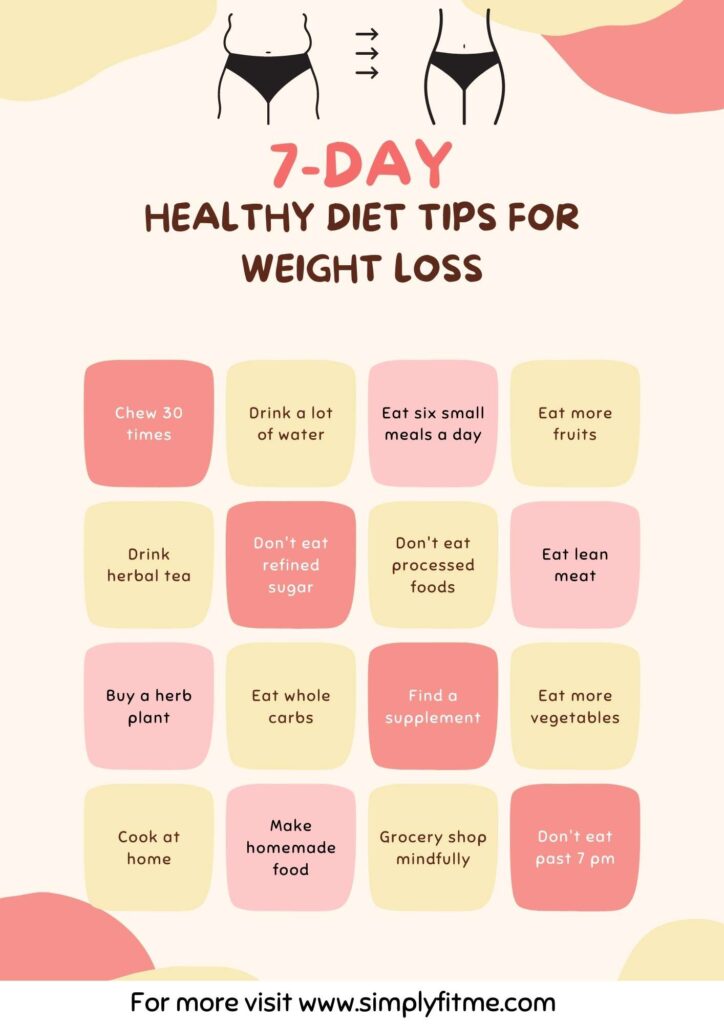
A healthy and balanced diet is the foundation of any weight loss plan. Focus on whole foods like fruits, vegetables, lean proteins, and whole grains. Aim to include a variety of colors on your plate to ensure you're getting a range of nutrients.
Drinking plenty of water is essential for weight loss. It helps to suppress appetite, increase metabolism, and boost energy levels. Aim to drink at least eight glasses of water a day.
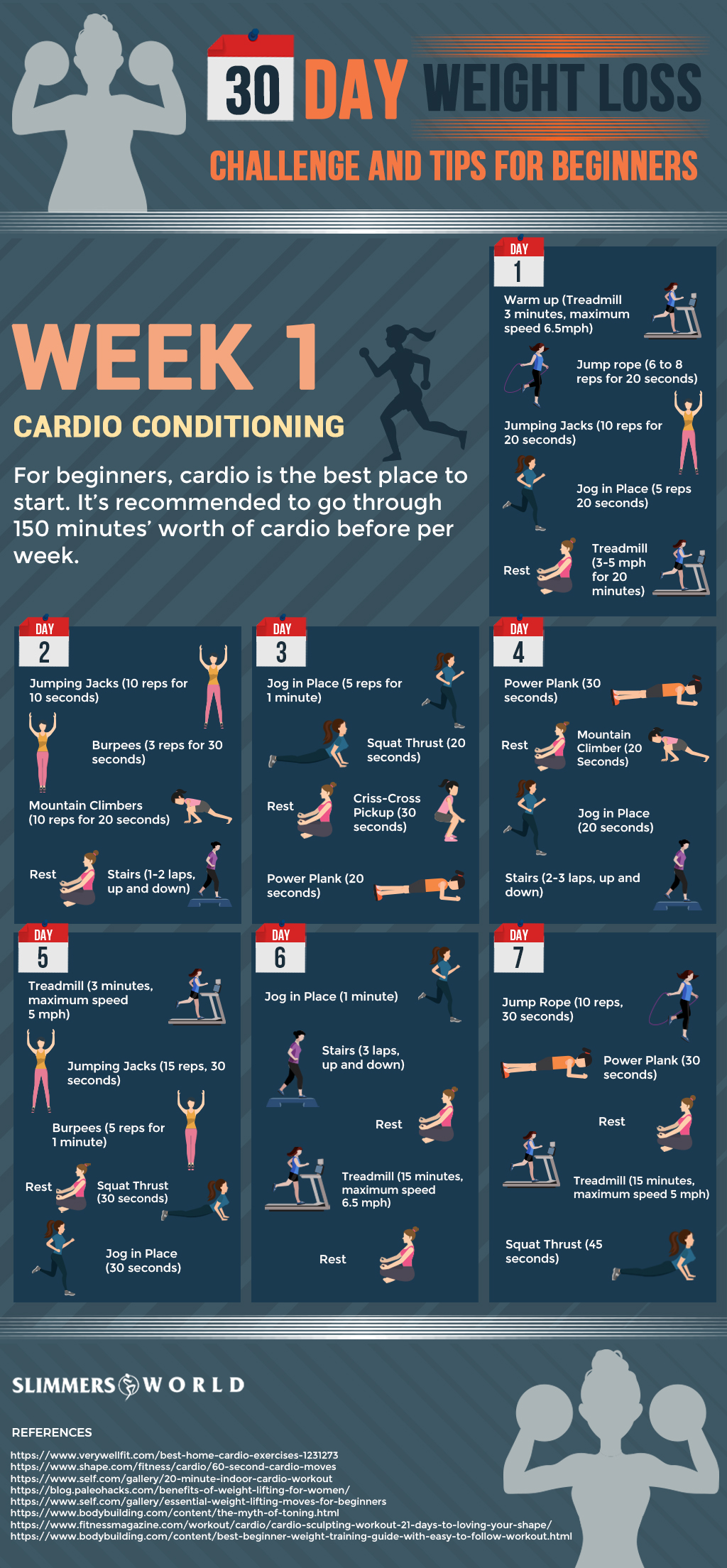
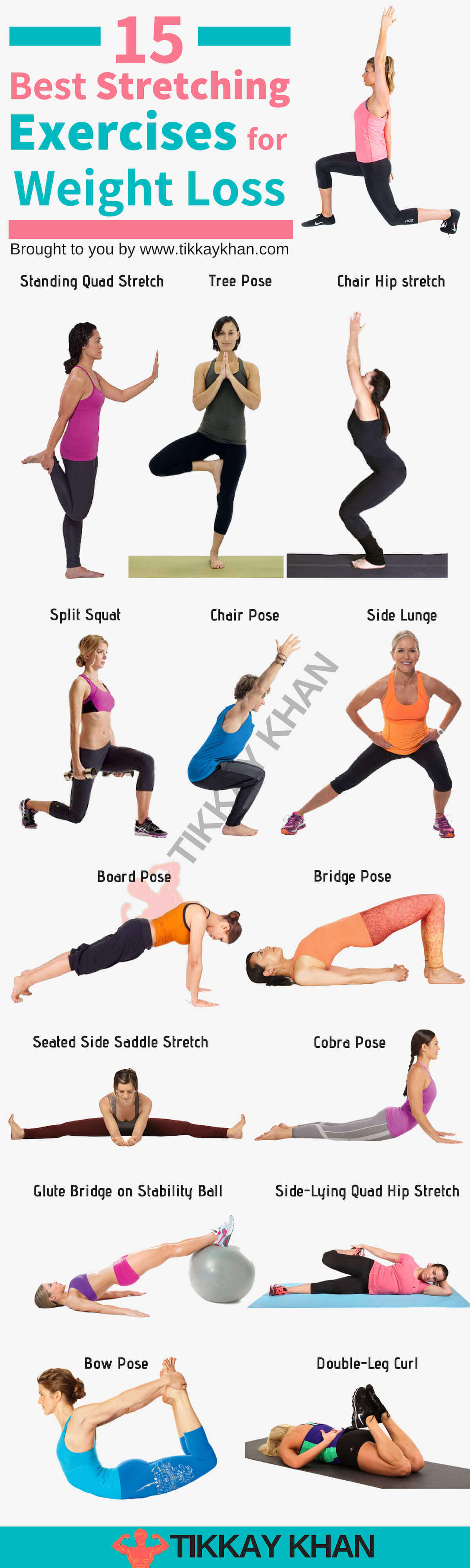
Regular physical activity is crucial for weight loss. Aim to do at least 150 minutes of moderate-intensity exercise or 75 minutes of vigorous-intensity exercise per week. You can also incorporate strength training, high-intensity interval training, and other forms of exercise to mix things up.
Getting enough sleep is essential for weight loss. Lack of sleep can disrupt hormones that regulate hunger and fullness, leading to overeating and weight gain. Aim for 7-9 hours of sleep per night.
Chronic stress can lead to overeating and weight gain. Engage in stress-reducing activities like meditation, yoga, or deep breathing exercises to help manage stress levels.
Tracking your progress is essential for staying motivated and on track. Use a food diary or mobile app to track your eating habits, physical activity, and weight loss progress.
Best Practices for a Successful Weight Loss Journey
- Seek Support: Share your goals with friends and family to get support and encouragement.
- Be Patient: Weight loss takes time, and it's essential to be patient and persistent.
- Stay Consistent: Stick to your diet and exercise plan consistently to see results.
- Get Professional Help: Consult with a healthcare professional or registered dietitian for personalized guidance and support.
Conclusion
Starting your weight loss journey can be challenging, but with the right strategies and support, you can achieve a healthy and sustainable weight loss. Remember to set realistic goals, create a balanced diet plan, stay hydrated, get moving, get enough sleep, manage stress, and track progress. With these effective weight loss strategies for beginners, you'll be well on your way to a healthier and happier you.









.jpeg "Weight loss: 6 strategies for success - Mayo Clinic")