Tylenol Use During Pregnancy: Separating Fact from Fiction
As a soon-to-be or expecting mother, there's a plethora of information available about what's safe and not safe during pregnancy. Among the many concerns, Tylenol use during pregnancy is a topic that's often misconstrued and filled with conflicting opinions. In this article, we'll explore the facts and myths surrounding Tylenol use during pregnancy to help you make an informed decision.
A Brief History: Was Tylenol Always Considered Safe?
For years, products containing acetaminophen, such as the pain reliever Tylenol, were largely viewed as safe to take during pregnancy. However, this hasn't always been the case. In the past, Tylenol was not without controversy, but numerous studies have since confirmed that acetaminophen is generally safe for pregnant women when used correctly.
What the Research Says
More than two decades of research have shown that acetaminophen is safe to use during pregnancy in consultation with your physician. Despite the overwhelming evidence, misinformation about acetaminophen use during pregnancy, including claims incorrectly tying it to autism and neurodevelopmental disorders in children, continues to spread. It's essential to rely on credible sources and your healthcare provider for guidance on medication use during pregnancy.
Acetaminophen: The Most Used Pain Reliever During Pregnancy
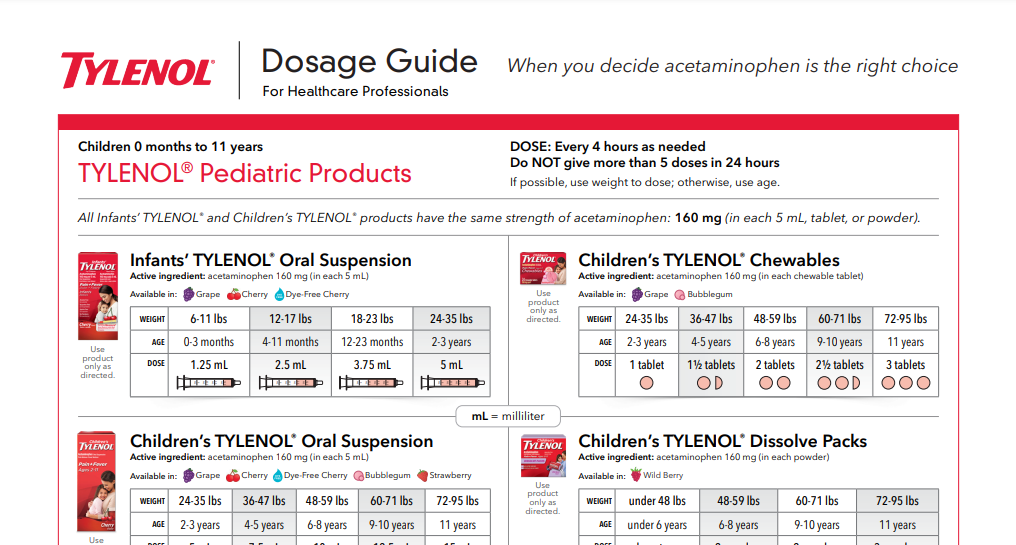
According to various sources, acetaminophen (Tylenol) is the most widely used pain reliever during pregnancy. It's recommended over others due to its relatively safer profile, but it's not entirely risk-free. The key is to use it wisely, taking the lowest effective dose for the shortest possible time and under your doctor's guidance.
- Acetaminophen should only be used when necessary during pregnancy.
- Don't exceed the maximum dose mentioned on the package label.
- Always consult your healthcare provider before taking Tylenol or any other medication during pregnancy.
Controversy Around Acetaminophen Use During Pregnancy
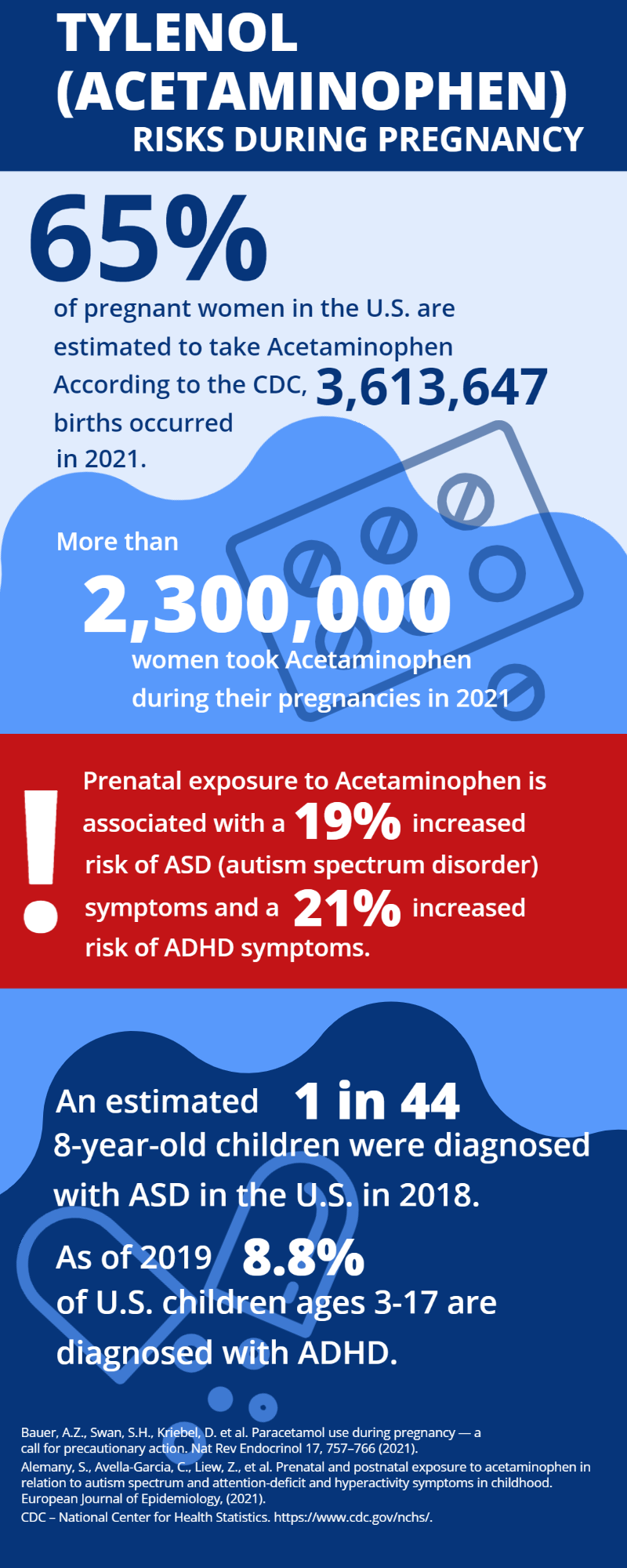
Recent research has raised concerns about the potentially long-term effects of using acetaminophen during pregnancy. Some studies suggest that prenatal exposure to acetaminophen may be linked to neurodevelopmental disorders, such as ADHD and autism. However, other research has found no clear evidence linking acetaminophen use during pregnancy to autism spectrum disorder.

What Expectant Parents Should Know
As an expectant parent, it's natural to have questions and concerns about medication use during pregnancy. The good news is that acetaminophen, or Tylenol, is generally considered safe when used wisely. Talk to your healthcare provider about any concerns or questions you may have, and always follow their guidance on medication use during pregnancy.
Conclusion
While there's ongoing debate about the safety of Tylenol use during pregnancy, the scientific consensus is clear: acetaminophen is generally safe when used correctly. Don't stress about the controversy – instead, focus on making informed decisions with the help of your healthcare provider. Remember, it's always better to err on the side of caution and consult your doctor before taking any medication, including Tylenol, during pregnancy.
Additional Tips and Resources
Is ADHD Connected to Acetaminophen Use During Pregnancy?
Several studies have investigated the potential link between acetaminophen use during pregnancy and childhood ADHD. While the findings are not conclusive, it's essential to stay informed and discuss any concerns with your healthcare provider. You can find more information about acetaminophen use during pregnancy in our in-depth resource section.
Next Steps
Consult your healthcare provider about any concerns or questions you may have regarding Tylenol use during pregnancy. By doing so, you can ensure that you're making informed decisions about medication use and prioritizing both your and your baby's health.
Final Words
Tylenol use during pregnancy is a common topic of discussion, but it's essential to separate fact from fiction to make informed decisions. Rely on credible sources and your healthcare provider to navigate the complexities of medication use during pregnancy. Together, you can ensure a healthier pregnancy and a brighter future for you and your baby.