Understanding Behavioral Design: A Comprehensive Approach to Shaping Human Behavior
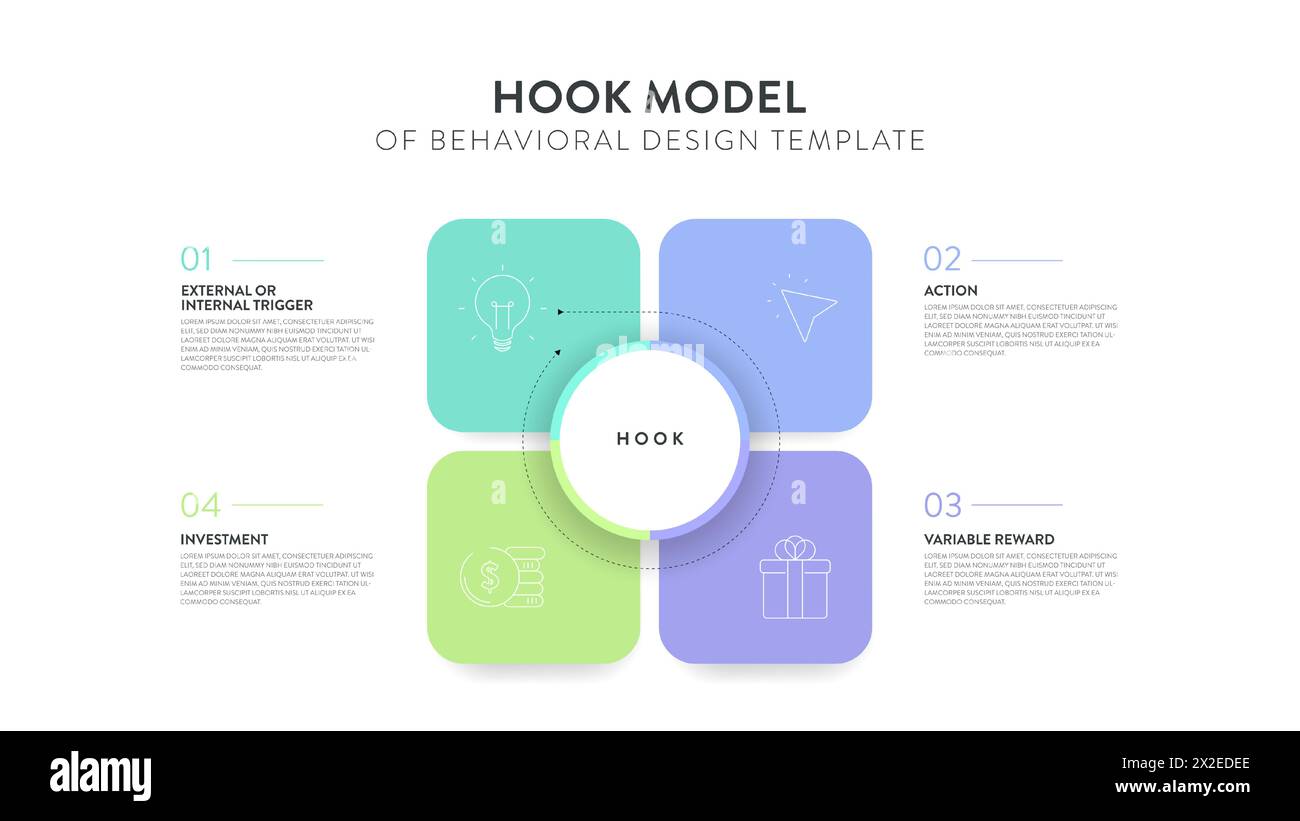
Behavioral design is a rapidly growing field that combines insights from psychology, economics, and data science to create solutions that influence human behavior. As a design approach, behavioral design is concerned with understanding how people think, feel, and act, and using this knowledge to create products, services, and experiences that effectively encourage desirable behaviors.
What is Behavioral Design?
Behavioral design is a systematic approach to understanding and influencing human behavior. It emerged from the collaboration between designers, researchers, and experts in psychology and behavior economics. This field seeks to apply behavioral science principles to design solutions that promote positive behavior change, rather than simply manipulating people's actions.
The Importance of Behavioral Design
Behavioral design is crucial in today's world, where humans are interacting with technology more intimately than ever before. By understanding how humans behave and making intentional design decisions, we can create products and services that promote positive behavior change, improve user experience, and ultimately, drive business success.
Key Principles of Behavioral Design
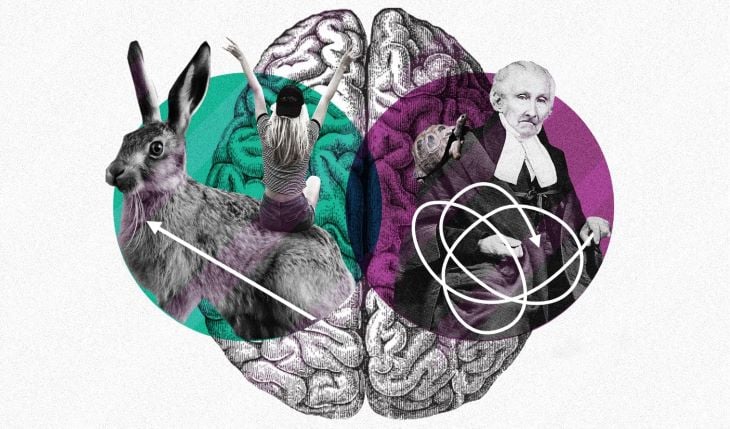
- Understanding Human Behavior: Behavioral design involves studying human behavior, including motivations, emotions, and cognitive biases. By understanding how people think and act, designers can create solutions that effectively influence behavior.
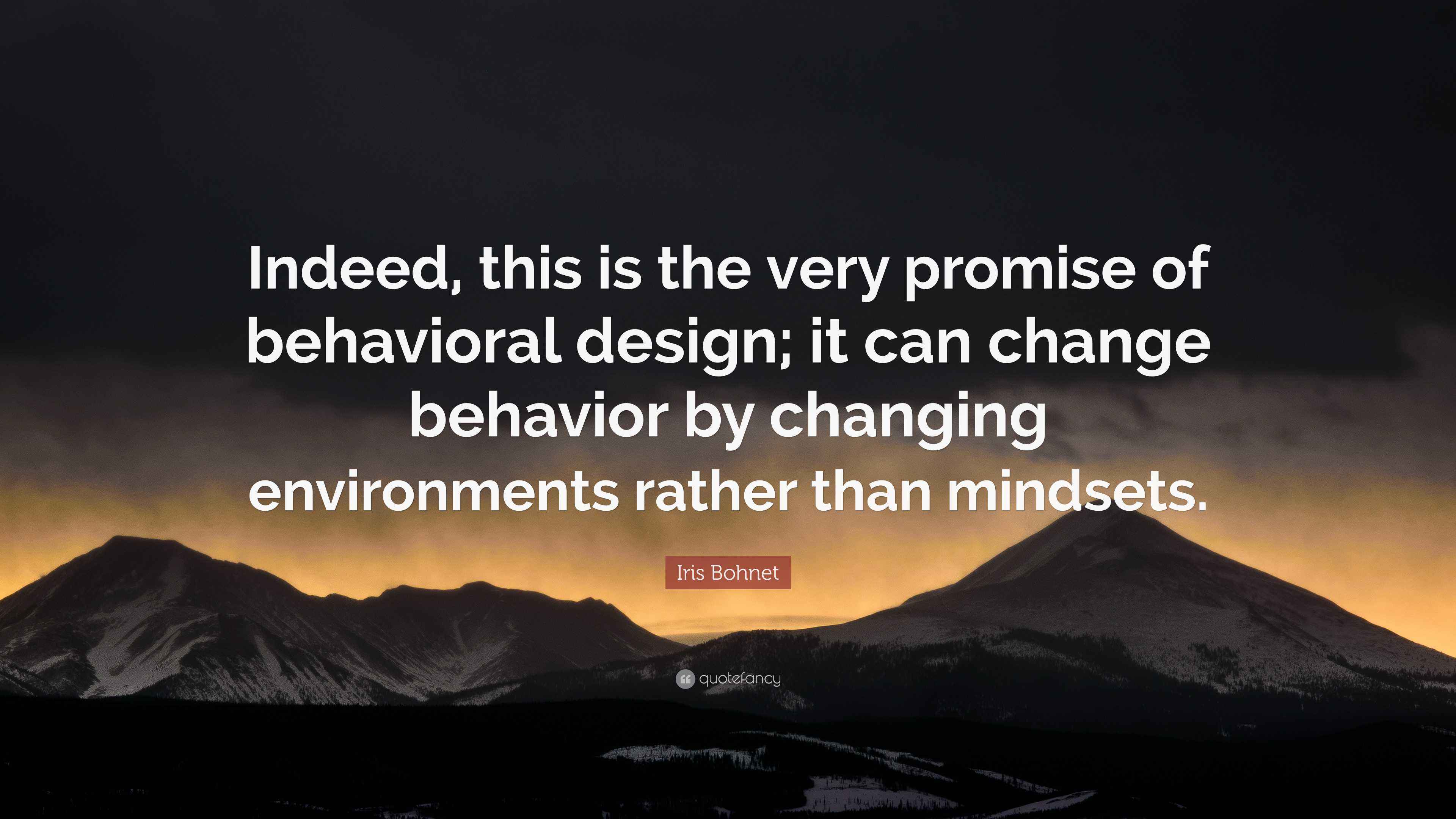
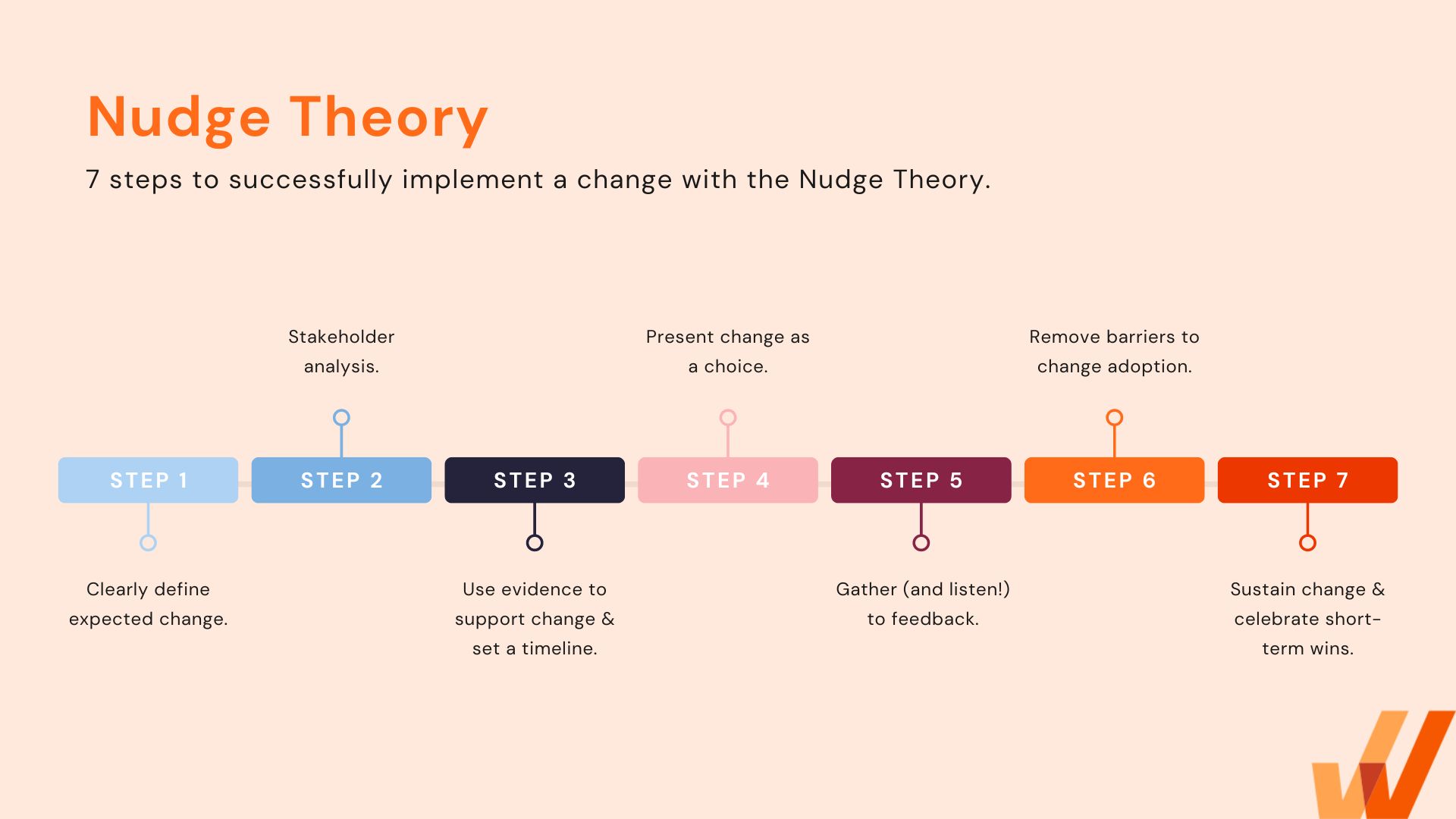
- Designing for Behavior Change: Behavioral design aims to create solutions that change behavior, rather than just providing information or instructions. Designers use various techniques to encourage desired behaviors, making it easier for people to make positive choices.
- Empathizing with Users: Behavioral designers need to empathize with users, understanding their needs, desires, and pain points. This empathy allows designers to create solutions that resonate with users and motivate them to change their behavior.
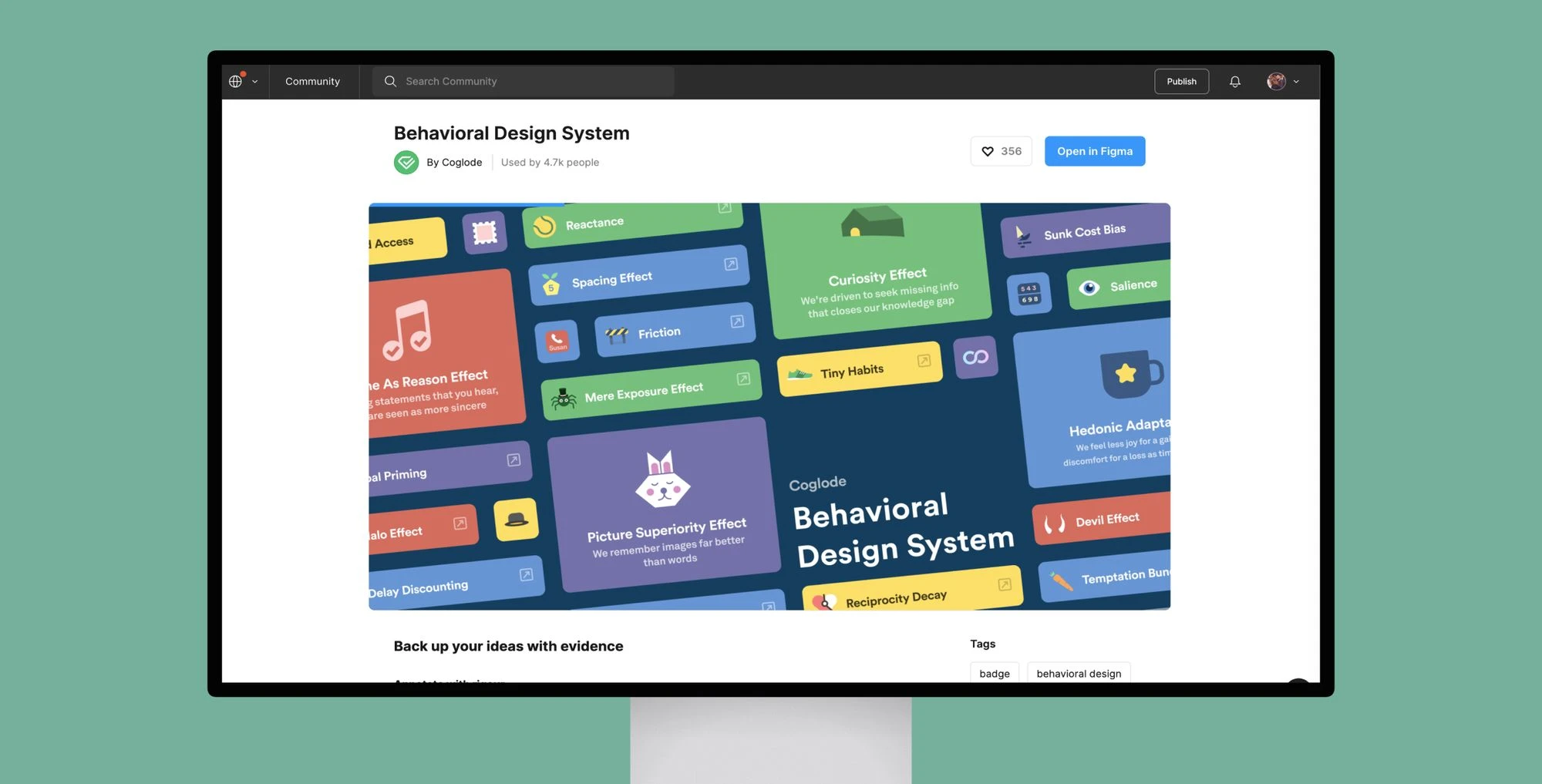
- Using Behavioral Science Principles: Behavioral design incorporates insights from psychology, economics, and data science to create solutions that work. Designers use principles such as social proof, scarcity, and reciprocity to encourage desired behaviors.
Benefits of Behavioral Design

Behavioral design offers numerous benefits, including:
- Improved User Experience: Behavioral design helps create products and services that are intuitive, user-friendly, and enjoyable to use.
- Increased Adoption: By understanding human behavior, designers can create solutions that are more likely to be adopted, reducing the risk of failure.
- Enhanced Business Outcomes: Behavioral design can drive business success by increasing engagement, retention, and revenue.
- Positive Social Impact: By promoting positive behavior change, behavioral design can have a positive impact on society, contributing to improved health, education, and environmental outcomes.
Conclusion
Behavioral design is a powerful approach to understanding and shaping human behavior. By combining insights from psychology, economics, and data science, designers can create solutions that promote positive behavior change, improve user experience, and drive business success. As the field continues to evolve, we can expect to see more innovative applications of behavioral design in various industries, leading to a more empathetic, efficient, and effective approach to product and service design.
Getting Started with Behavioral Design
For those interested in exploring behavioral design, here are some recommended resources:
- Books: "Influence: The Psychology of Persuasion" by Robert Cialdini, "Nudge: Improving Decisions About Health, Wealth, and Happiness" by Richard H. Thaler and Cass R. Sunstein
- Online Courses: Behavioral Design Fundamentals on Coursera, Behavioral Science for Decision Makers on edX
- Conferences and Workshops: Attend conferences like the Behavior Design Conference or workshops on behavioral design hosted by organizations like the Stanford University Behavioral Design Lab
- Professional Networks: Join online communities like the Behavioral Design subreddit or connect with professionals on LinkedIn who specialize in behavioral design