Steps to Get a Driver's License: A Comprehensive Guide
Introduction
Getting a driver's license is a rite of passage for many, marking the transition from dependency on others to independence on the road. However, navigating the process can be daunting, especially for first-time applicants. In this article, we'll break down the steps to get a driver's license, providing a comprehensive guide to help you understand the requirements and what to expect.Step 1: Meet the Eligibility Requirements
Before applying for a driver's license, ensure you meet the eligibility requirements set by your state's Department of Motor Vehicles (DMV). Typically, these requirements include:- Age: Most states require applicants to be at least 16 or 17 years old to apply for a learner's permit and 18 years old to obtain a full driver's license.
- Residency: You must be a resident of the state where you're applying for a driver's license.
- Identification: Provide proof of identity, such as a valid passport or birth certificate.
Step 2: Gather Required Documents
Collect the necessary documents to support your application, including:- Proof of identity: Passport, birth certificate, or valid permanent resident card.
- Proof of residency: Utility bills, lease agreement, or bank statement.
- Social Security number: If you have one.
Step 3: Take the Written Test
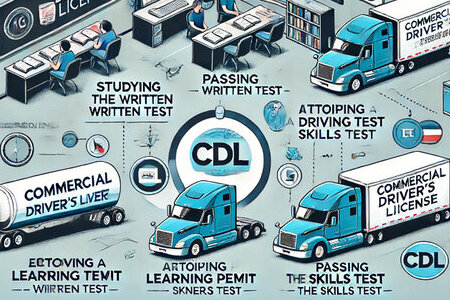
The written test is a crucial step in obtaining a driver's license. It assesses your knowledge of traffic laws, road signs, and safe driving practices. You can prepare for the test by studying the driver's manual provided by your state's DMV or taking an online practice test.Step 4: Get Your Learner's Permit
After passing the written test, you'll be issued a learner's permit, which allows you to practice driving under the supervision of a licensed driver. The permit typically has restrictions, such as:- Number of passengers allowed.
- Time of day restrictions.
- Types of vehicles allowed.

Step 5: Complete Driver's Education
Most states require driver's education courses for new drivers. These courses cover essential topics, such as:- Defensive driving techniques.
- Traffic laws and regulations.
- Vehicle safety and maintenance.
Step 6: Log Practice Hours
Under the supervision of a licensed driver, practice driving for a specified number of hours to gain experience and build confidence behind the wheel.Step 7: Take the Road Test
Once you've completed the required practice hours, schedule a road test with your state's DMV. This test assesses your driving skills, including:- Basic vehicle control.
- Three-point turns.