How to Keep Identity Safe from Online Shoppers: A Comprehensive Guide
With the rise of online shopping, individuals are increasingly exposed to various risks, including identity theft. As a result, it's essential to take proactive measures to protect your personal information while shopping online. In this article, we'll discuss the importance of staying safe while shopping online and provide you with actionable tips on how to keep your identity secure.
The Risks of Online Shopping
Online shopping has become a norm, with millions of people shopping online every day. However, this convenience comes with risks, including identity theft, phishing scams, and credit card fraud. According to recent statistics, the average American has over 100 online accounts, which increases the likelihood of a data breach.
Common Online Threats
- Phishing Scams: Phishing scams involve sending emails or messages that appear to be from a legitimate company, asking you to reveal sensitive information such as passwords or credit card numbers.
- Malware: Malware is software designed to harm or exploit a computer system, often used to steal sensitive information.
- Identity Theft: Identity theft occurs when someone uses your personal information, such as your Social Security number, to commit fraud or theft.
- Credit Card Fraud: Credit card fraud involves using someone else's credit card information to make unauthorized purchases.
How to Keep Identity Safe from Online Shoppers
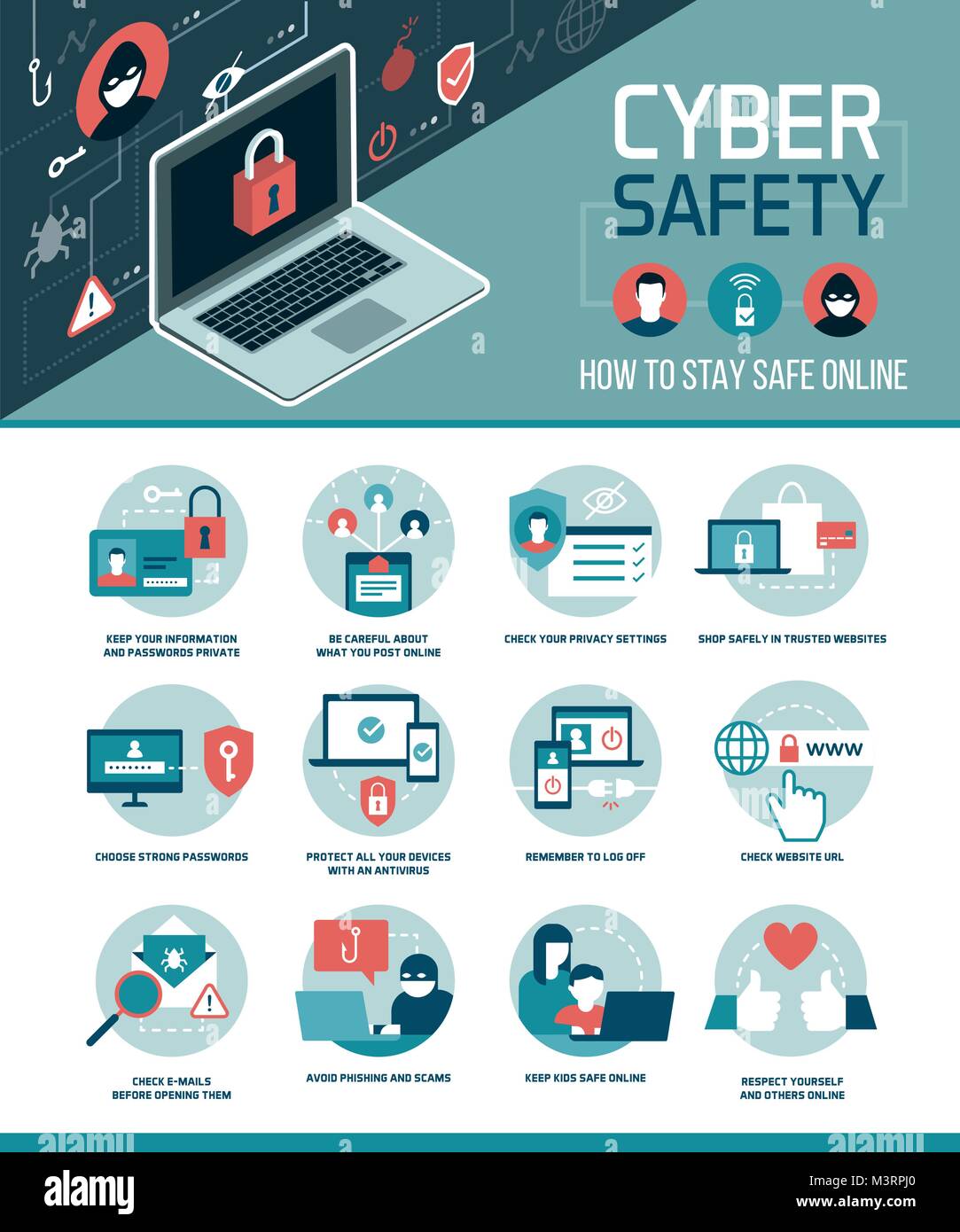
To stay safe while shopping online, follow these best practices:
1. Use a Secure Website
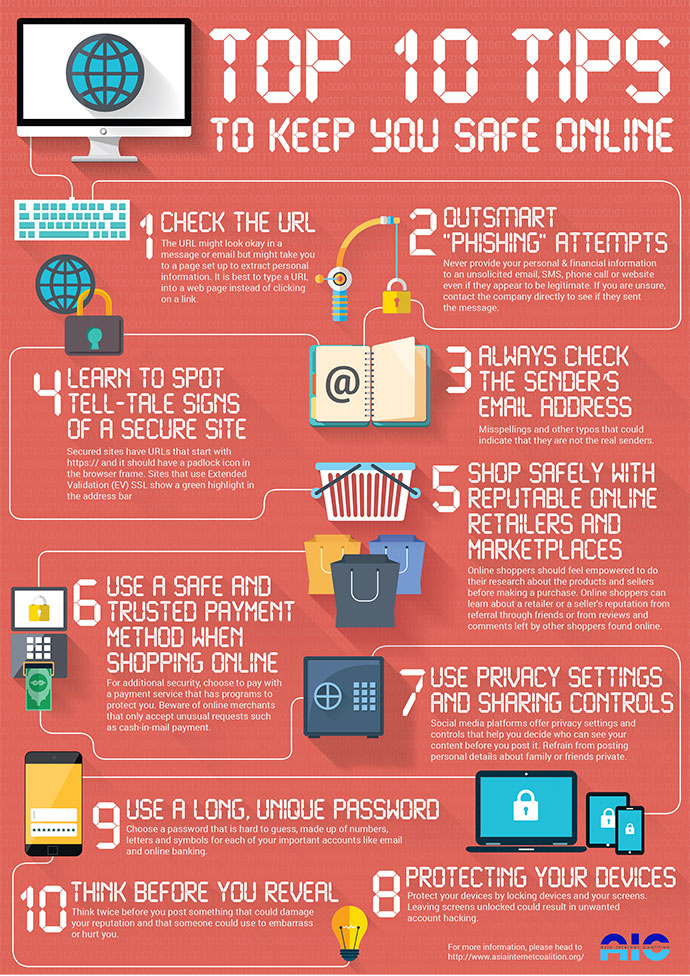
Make sure the website you're shopping on is secure by looking for the following:
- HTTPS: A secure website will start with HTTPS instead of HTTP.
- Look for a padlock icon in the address bar, indicating a secure connection.
- Verifiable Trust Badge: Check for a trust badge, such as a McAfee or Norton Secure Site Seal, which indicates that the website has been verified by a trusted security expert.
2. Use a VPN
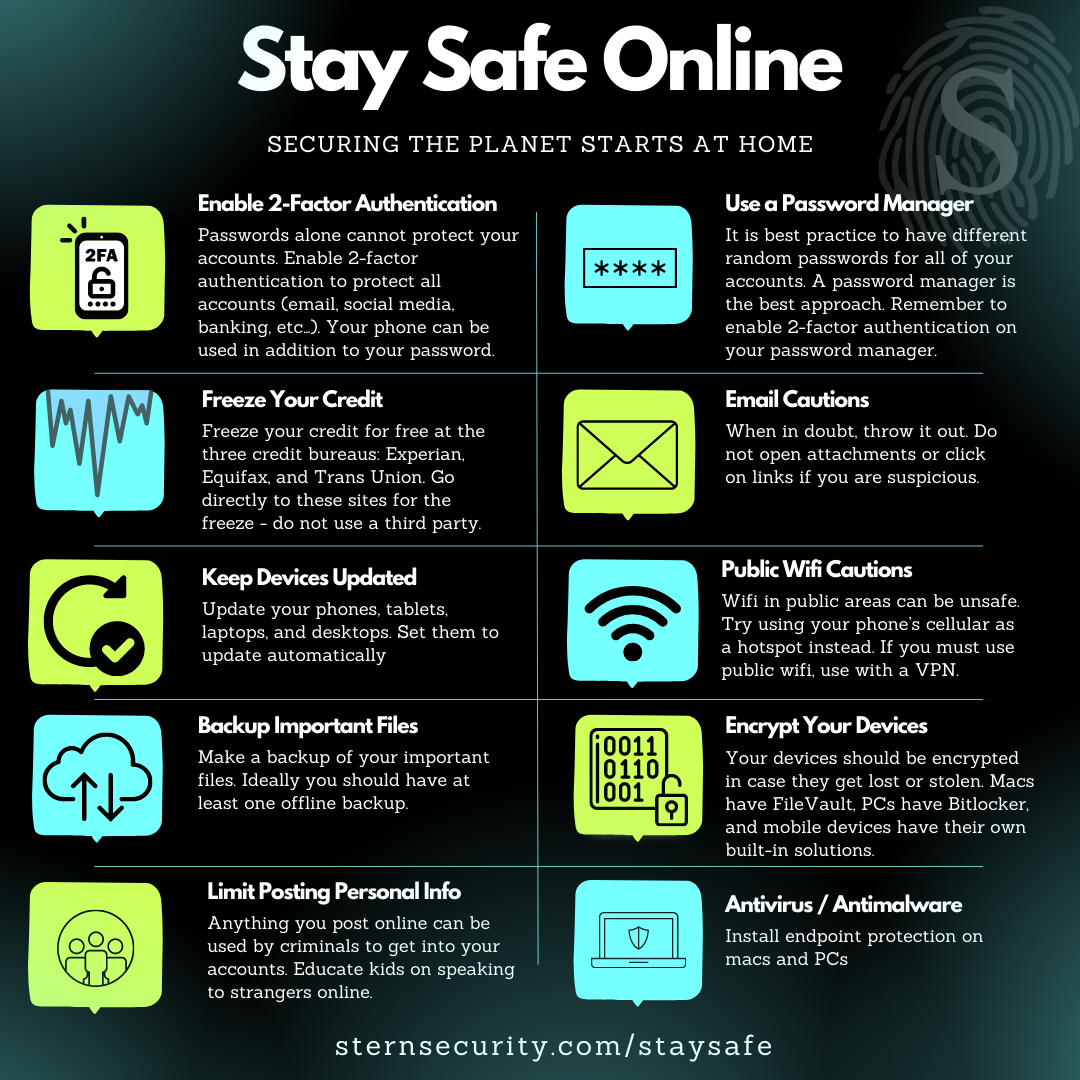
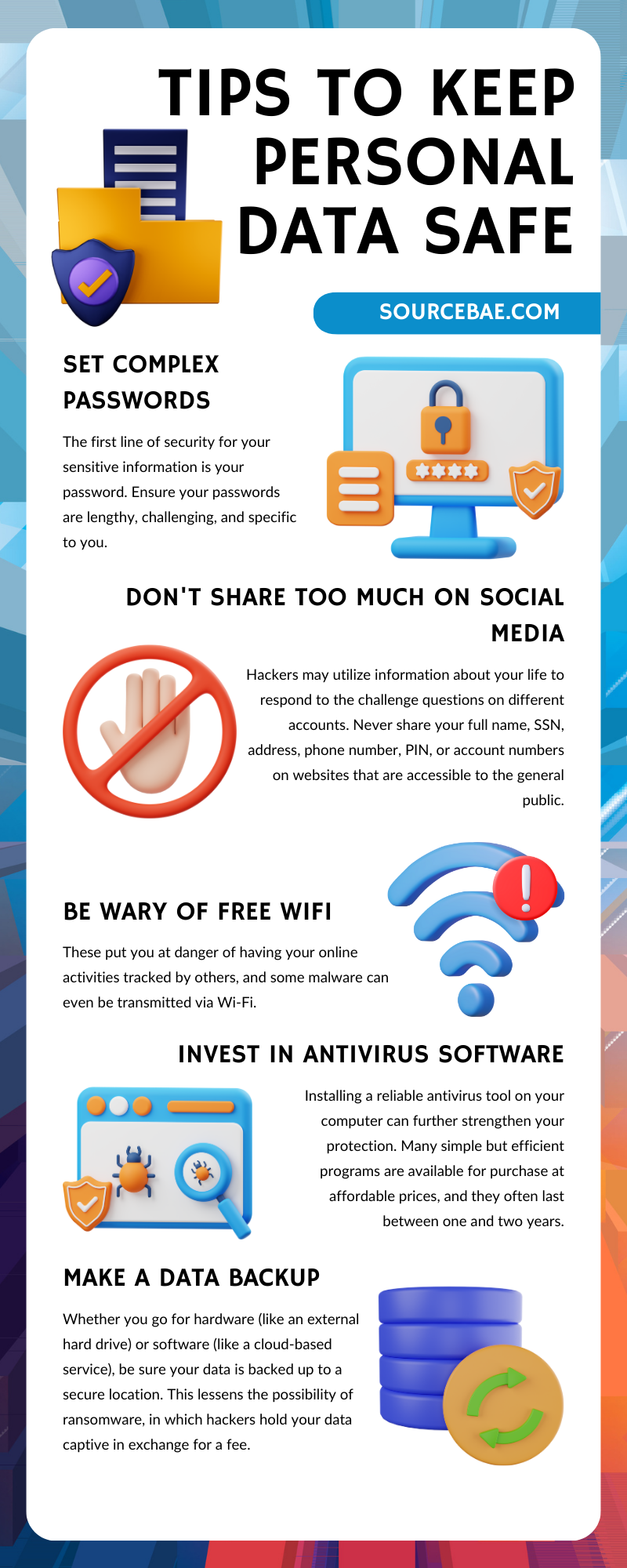
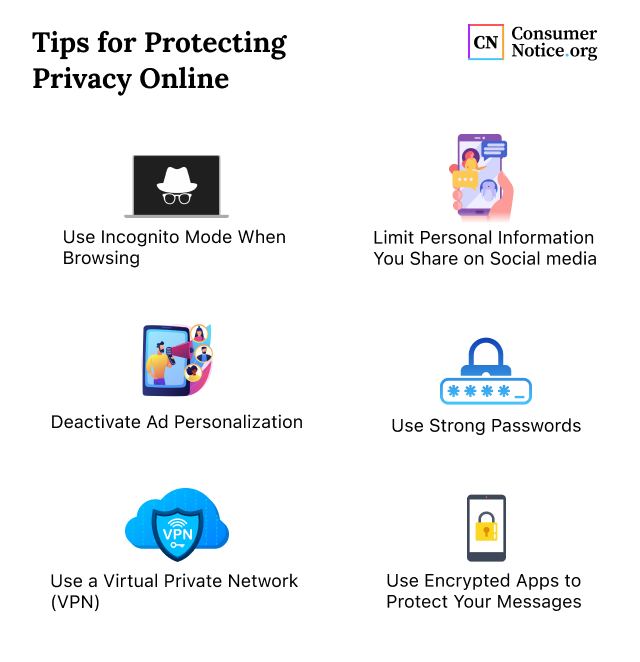
A Virtual Private Network (VPN) encrypts your internet traffic, making it difficult for hackers to intercept your data. Consider using a reputable VPN service while shopping online.
3. Use Strong Passwords
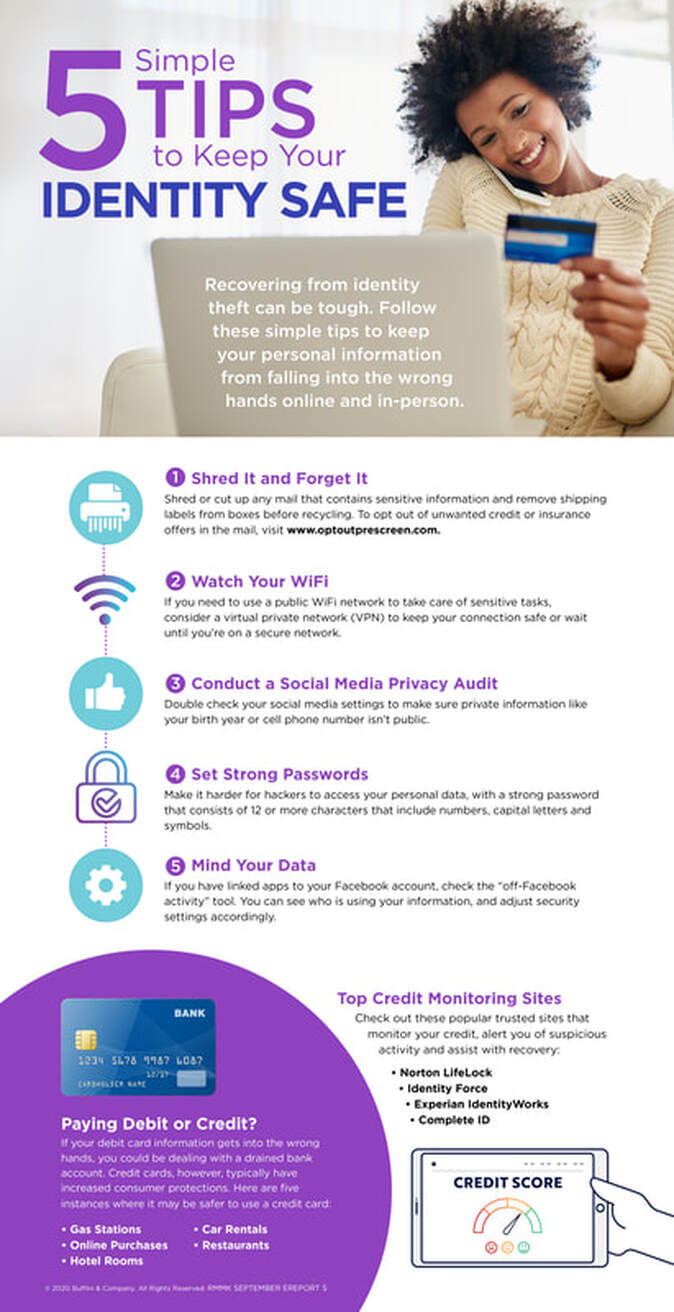
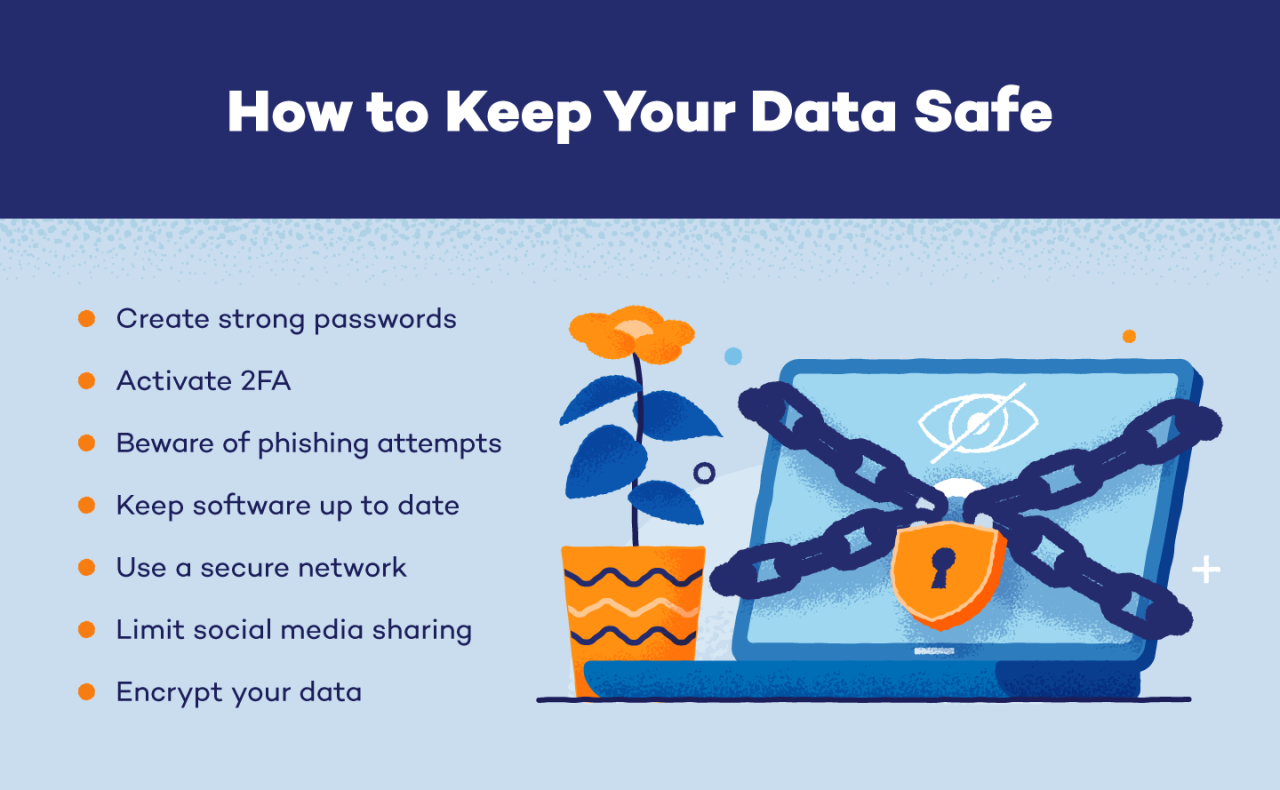
Use strong, unique passwords for each online account. Consider using a password manager to generate and store complex passwords.
4. Monitor Your Accounts Regularly
Regularly monitor your bank and credit card statements for suspicious activity. Set up account alerts to notify you of any unusual transactions.
5. Avoid Public Wi-FiThe Risks of Online Shopping
Online shopping has become a norm, with millions of people shopping online every day. However, this convenience comes with risks, including identity theft, phishing scams, and credit card fraud. According to recent statistics, the average American has over 100 online accounts, which increases the likelihood of a data breach.
Common Online Threats
- Phishing Scams: Phishing scams involve sending emails or messages that appear to be from a legitimate company, asking you to reveal sensitive information such as passwords or credit card numbers.
- Malware: Malware is software designed to harm or exploit a computer system, often used to steal sensitive information.
- Identity Theft: Identity theft occurs when someone uses your personal information, such as your Social Security number, to commit fraud or theft.
- Credit Card Fraud: Credit card fraud involves using someone else's credit card information to make unauthorized purchases.
How to Keep Identity Safe from Online Shoppers
To stay safe while shopping online, follow these best practices:
1. Use a Secure Website
Make sure the website you're shopping on is secure by looking for the following:
- HTTPS: A secure website will start with HTTPS instead of HTTP.
- Look for a padlock icon in the address bar, indicating a secure connection.
- Verifiable Trust Badge: Check for a trust badge, such as a McAfee or Norton Secure Site Seal, which indicates that the website has been verified by a trusted security expert.