Expired Inhalers and Asthma: Understanding the Risks and Safety
Inhalers are a crucial part of managing asthma symptoms and preventing asthma attacks. However, a common concern among asthma patients is the safety and effectiveness of expired inhalers. In this article, we'll delve into the world of expired inhalers and asthma, exploring the risks and safety considerations to help you make informed decisions about your medication.
Do Expired Inhalers Work as Well?
When an inhaler expires, its shelf life ends, and the medication inside can lose potency and effectiveness. However, the good news is that expired inhalers are not necessarily unsafe to use. In most cases, using an expired inhaler will not cause health issues, but its effectiveness may be reduced, posing risks during a serious asthma attack.
How Long Do Inhalers Last?
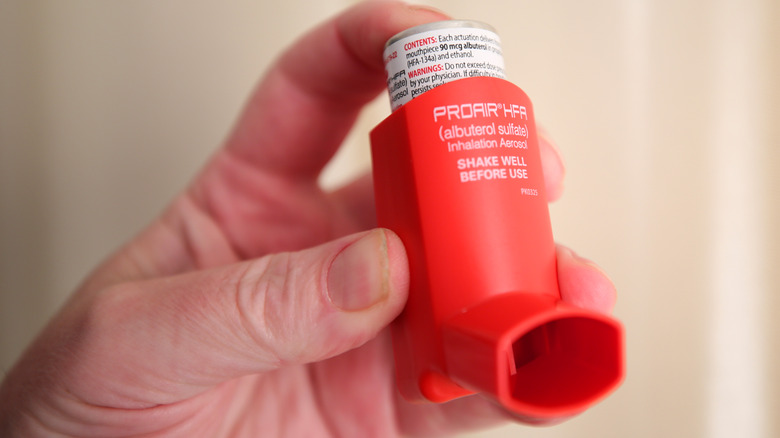
Typically, an inhaler expires after a year, although some medications may have shorter or longer shelf lives. It's essential to note that the expiration date is printed on the outer cardboard box and on the canister and/or plastic device. Some inhaler devices are also packaged in a foil laminate or plastic pouch, usually containing a sachet of drying agent inside the packaging.
What Happens If I Use an Expired Inhaler?
While using an expired inhaler is unlikely to cause health issues, relying on an expired inhaler in an emergency could be life-threatening. During a serious asthma attack, medication that's lost potency can fail to provide the necessary relief, leading to severe consequences. It's best to err on the side of caution and discard the expired inhaler for a new one.
How to Store and Dispose of Expired Inhalers Properly
Expired inhalers should be stored in a cool, dry place, away from direct sunlight and moisture. Be sure to label the inhaler with the date opened to keep track of when its in-use shelf life ends. Dispose of expired inhalers and epinephrine auto-injectors properly, as they can be harmful to someone they aren't prescribed for, especially children. Host a medication take-back event or drop off your expired medications at a participating CVS location for safe disposal.
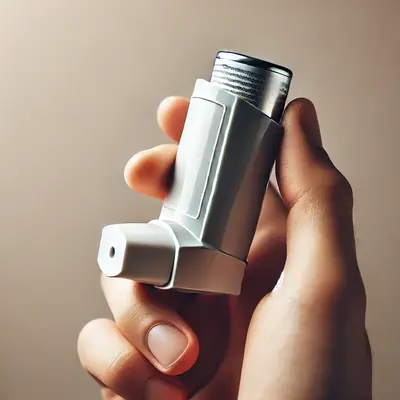
Understanding Proper Inhaler Management
Proper inhaler management is crucial for maintaining good health and preventing asthma attacks. Before using an expired inhaler, consult with your healthcare provider to determine the best course of action. If you're unsure about the safety or effectiveness of an expired inhaler, it's always better to err on the side of caution and get a new one.
Conclusion
Expired inhalers can pose risks during a serious asthma attack, but using them in an emergency is unlikely to cause health issues. When it comes to expired inhalers and asthma, it's essential to understand proper inhaler management, including storage and disposal, and to prioritize your health and safety. If you're unsure about the safety or effectiveness of an expired inhaler, consult with your healthcare provider to determine the best course of action.
Additional Tips for Preventing and Dealing with Expired Medicines
Here are some additional tips for ensuring that your asthma inhalers and epinephrine treatment are not expired:
- Ask your pharmacist to automatically renew your prescriptions.
- Use your smartphone or tablet to set a reminder for pharmaceutical expiration dates.
- Store your medications in a cool, dry place, away from direct sunlight and moisture.
- Dispose of expired medications and inhalers properly.
- Consult with your healthcare provider to determine the best course of action when dealing with expired inhalers.
Final Thoughts
Expired inhalers can be a concern for asthma patients, but understanding their safety and risks is crucial for maintaining good health. By following proper inhaler management, storing and disposing of expired medications and inhalers properly, and consulting with your healthcare provider, you can ensure that you're using the safest and most effective medication to manage your asthma symptoms.