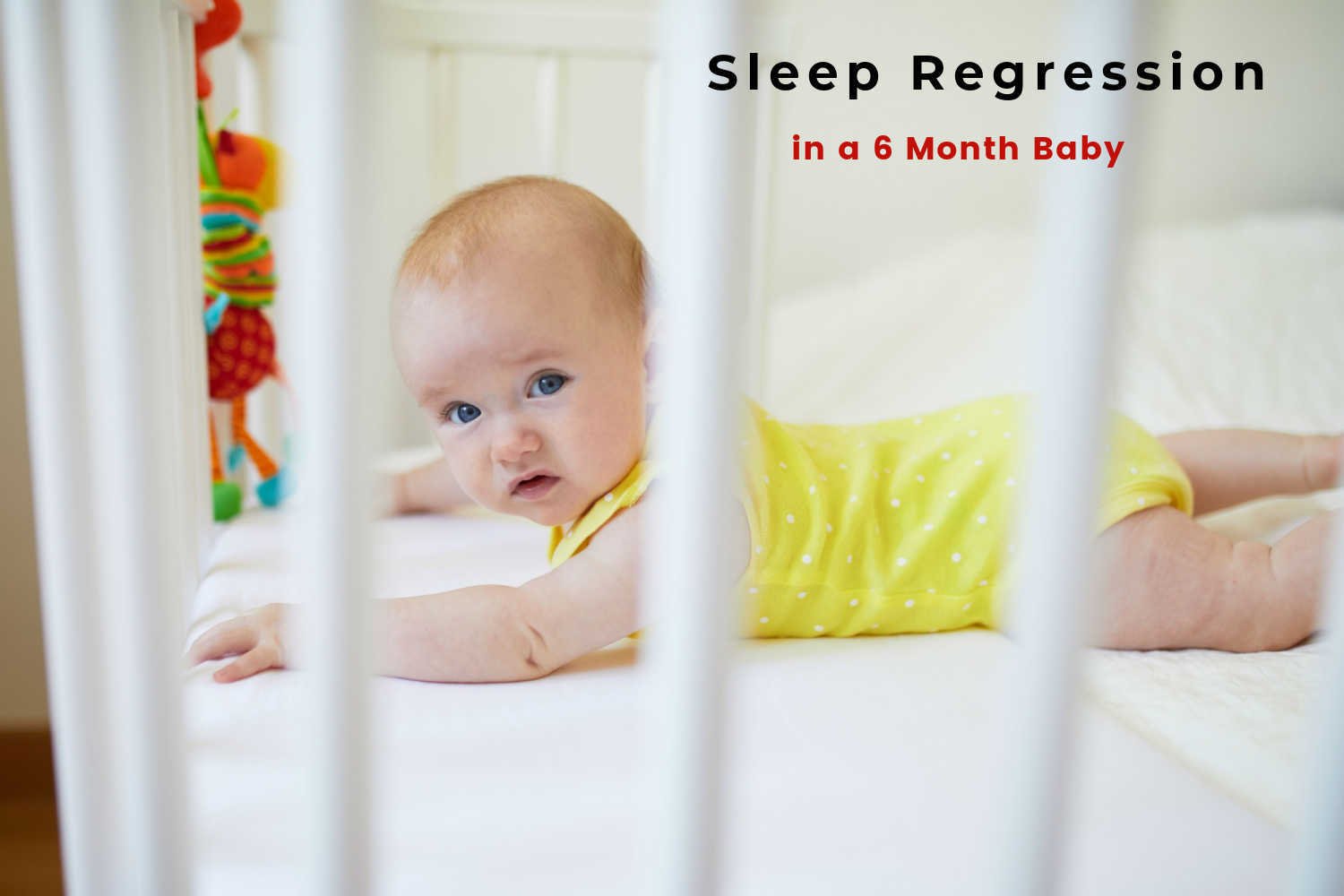
Understanding Sleep Regression in Infants: A Guide for Parents
Sleep regression in infants is a common and exhausting reality during a baby's first year. As a parent, it can be frustrating to deal with a baby who was previously sleeping well but suddenly starts resisting rest or waking more frequently. In this article, we'll explore what sleep regression is, why it happens, and provide tips on how to handle this challenging phase.
What is Sleep Regression in Infants?
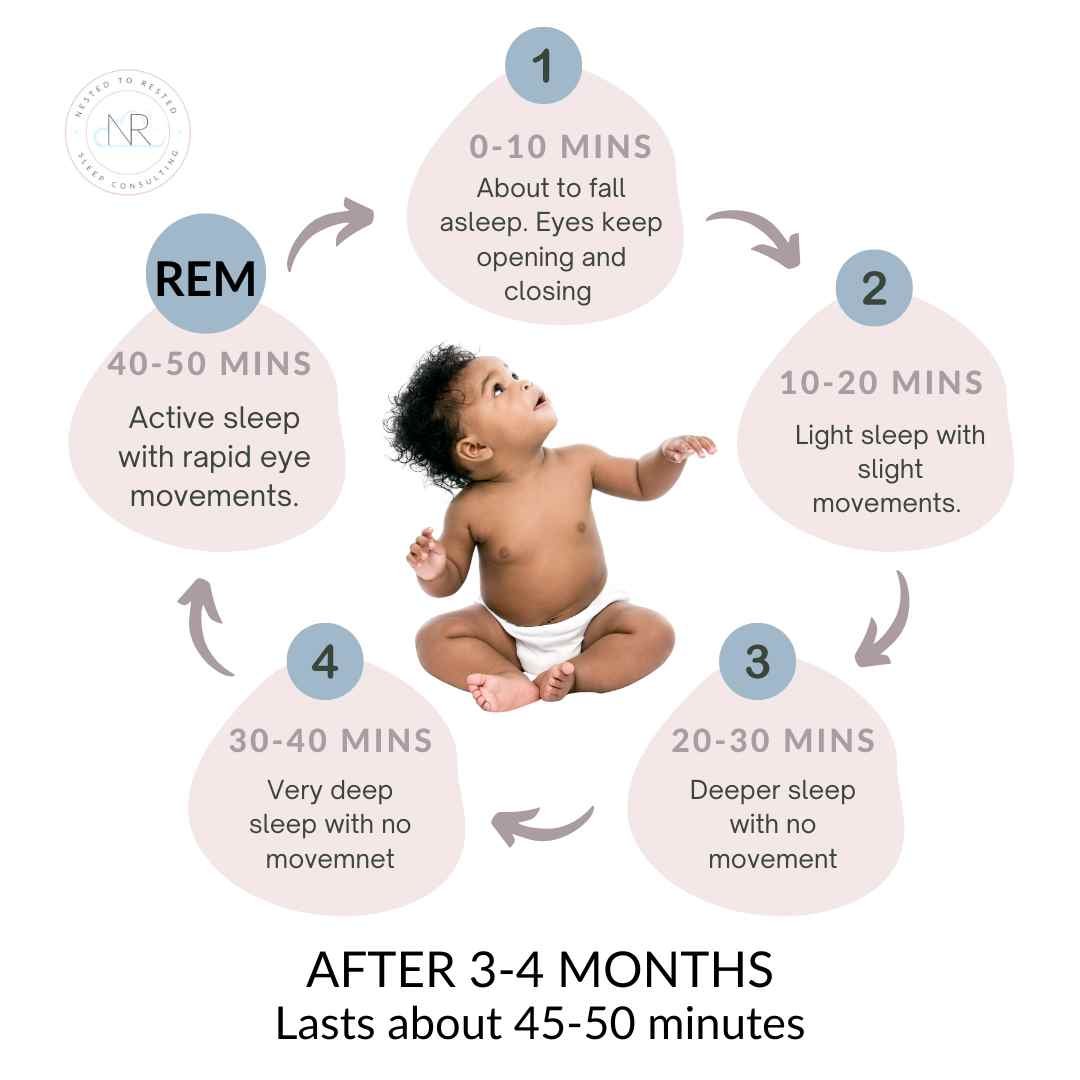
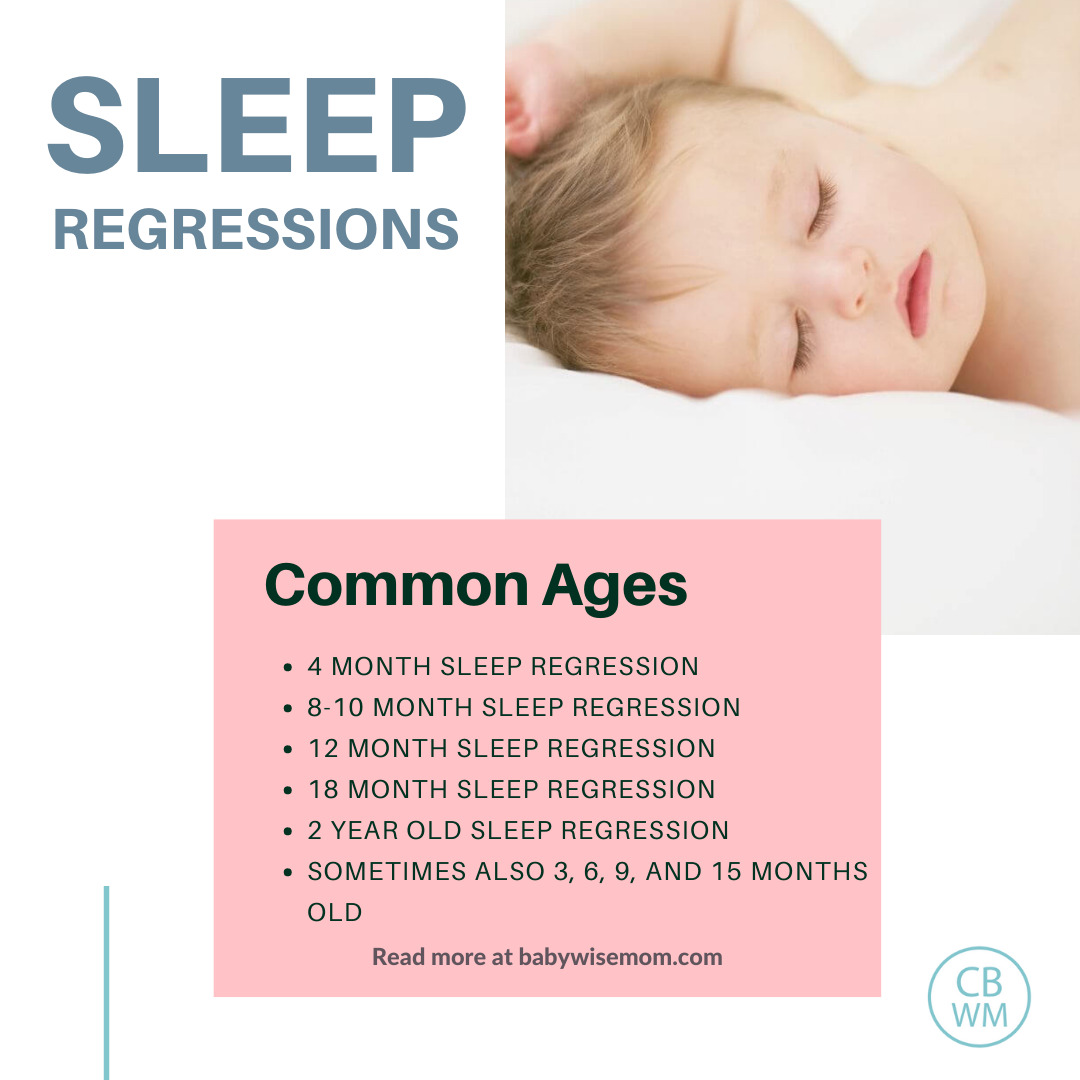
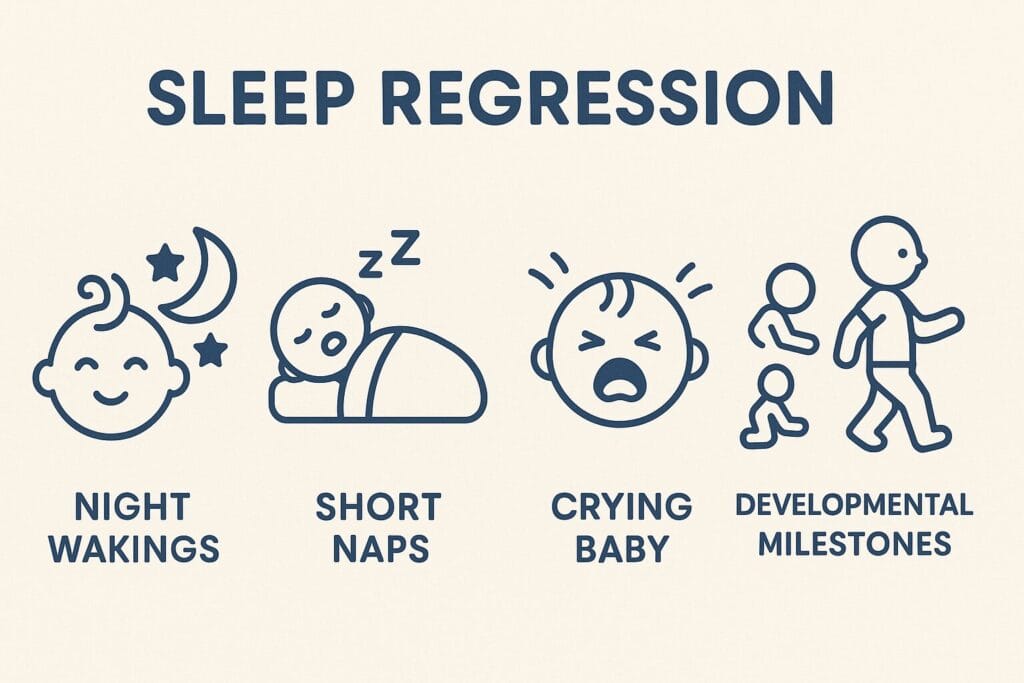
Sleep regression is a temporary phase when a baby or toddler who was sleeping well suddenly starts experiencing sleep problems. It's a normal part of development, and most infants experience several stages of sleep regression during the first two years of life. Sleep regression can occur due to various reasons, including physical and emotional changes, growth spurts, and developmental milestones.
Why Does Sleep Regression Happen?
Research suggests that sleep regression is not a scientifically defined term, but rather a description of the normal fluctuations in a baby's sleep patterns. Infants and toddlers are constantly developing and growing, and their sleep patterns change accordingly. Some of the common reasons behind sleep regression include:
- Physical changes: Babies and toddlers go through rapid growth and development, which can disrupt their sleep patterns.
- Emotional changes: As babies and toddlers develop emotionally, they may become more aware of their surroundings and more difficult to soothe.
- Developmental milestones: Reaching certain milestones, such as sitting up, crawling, or saying first words, can cause sleep regression.
- Growth spurts: Periods of rapid growth can lead to increased sleep disruptions.
How Long Does Sleep Regression Last?
The duration of sleep regression can vary depending on the child and the cause of the regression. Most sleep regressions last 2-4 weeks if normal and consistent sleep routines are continued. However, problems occur when well-intentioned parents change sleep routines to accommodate their child's new sleep behaviors.
Tips for Handling Sleep Regression in Infants
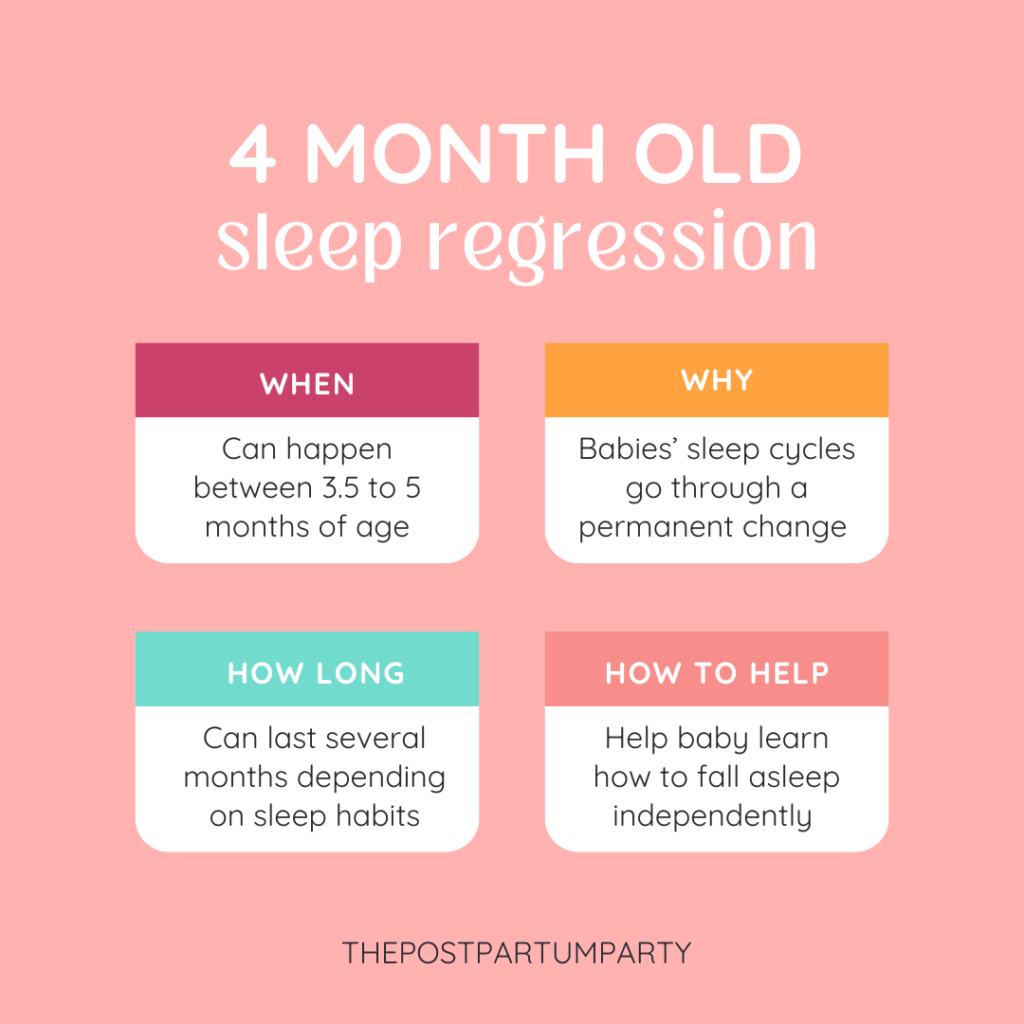
To help your baby navigate this challenging phase, follow these tips:
- Establish a consistent sleep routine: Stick to a regular sleep schedule and bedtime routine to help your baby feel secure and develop good sleep habits.
- Watch for physical and emotional cues: Pay attention to your baby's physical and emotional needs, and respond accordingly.
- Offer a comforting environment: Create a soothing atmosphere to help your baby relax and fall asleep.
- Use sleep techniques: Try techniques such as swaddling, rocking, or white noise to help your baby fall asleep.
- Be patient and consistent: Sleep regression is a normal part of development, and with patience and consistency, your baby will eventually develop good sleep habits.
Conclusion
Sleep regression in infants is a temporary and normal part of development. By understanding the causes of sleep regression and implementing the tips above, you can help your baby navigate this challenging phase and establish healthy sleep habits.
Additional Resources
For more information on sleep regression and other parenting topics, check out the following resources:
- National Sleep Foundation: sleepfoundation.org
- Cleveland Clinic: my.clevelandclinic.org
- Tomme Tippee: tommeetipee.com
Remember, sleep regression is a normal part of development, and with patience, consistency, and the right techniques, you can help your baby establish healthy sleep habits.