Quick Sleep Tips for Insomnia: Get a Good Night's Sleep Tonight
Are you tired of lying awake at night, tossing and turning, and struggling to fall asleep? Do you feel like you've tried everything to get a good night's sleep, but nothing seems to work? You're not alone. Millions of people around the world suffer from insomnia, a condition that can have a significant impact on daily life. In this article, we'll explore some quick sleep tips for insomnia that can help you drift off to sleep faster and improve your overall sleep quality.
Establish a Consistent Sleep Schedule
Creating a consistent sleep schedule is one of the simplest yet most effective ways to improve your sleep. Go to bed and wake up at the same time every day, including weekends, to regulate your body's internal clock and improve the quality of your sleep. Aim for 7-9 hours of sleep each night to feel rested and refreshed in the morning.
Optimize Your Sleep Environment
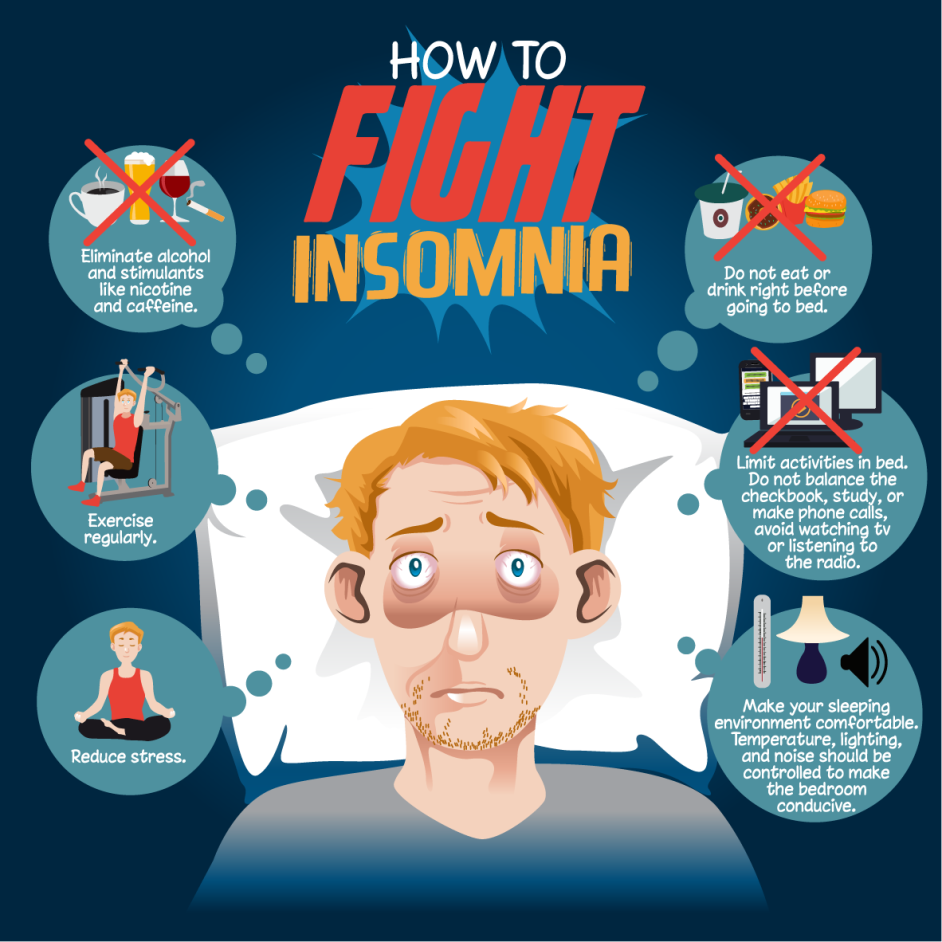
Your sleep environment plays a significant role in determining the quality of your sleep. Make sure your bedroom is dark, quiet, and cool. Consider using blackout curtains, earplugs, or a white noise machine to create a sleep-conducive environment. A comfortable mattress and pillows can also make a big difference in improving your sleep. Invest in a new mattress if yours is old or uncomfortable.
Practice Relaxation Techniques
Relaxation techniques such as deep breathing, progressive muscle relaxation, and meditation can help calm your mind and body, making it easier to fall asleep. Try practicing these techniques regularly, even if it's just for a few minutes a day. A clear and calm mind is more likely to drift off to sleep quickly.
Avoid Stimulating Activities Before Bedtime
Stimulating activities such as watching TV, playing video games, or scrolling through your phone can interfere with your sleep. Try to avoid these activities at least an hour before bedtime and instead opt for relaxing activities like reading, listening to calming music, or taking a warm bath.
Get Regular Exercise
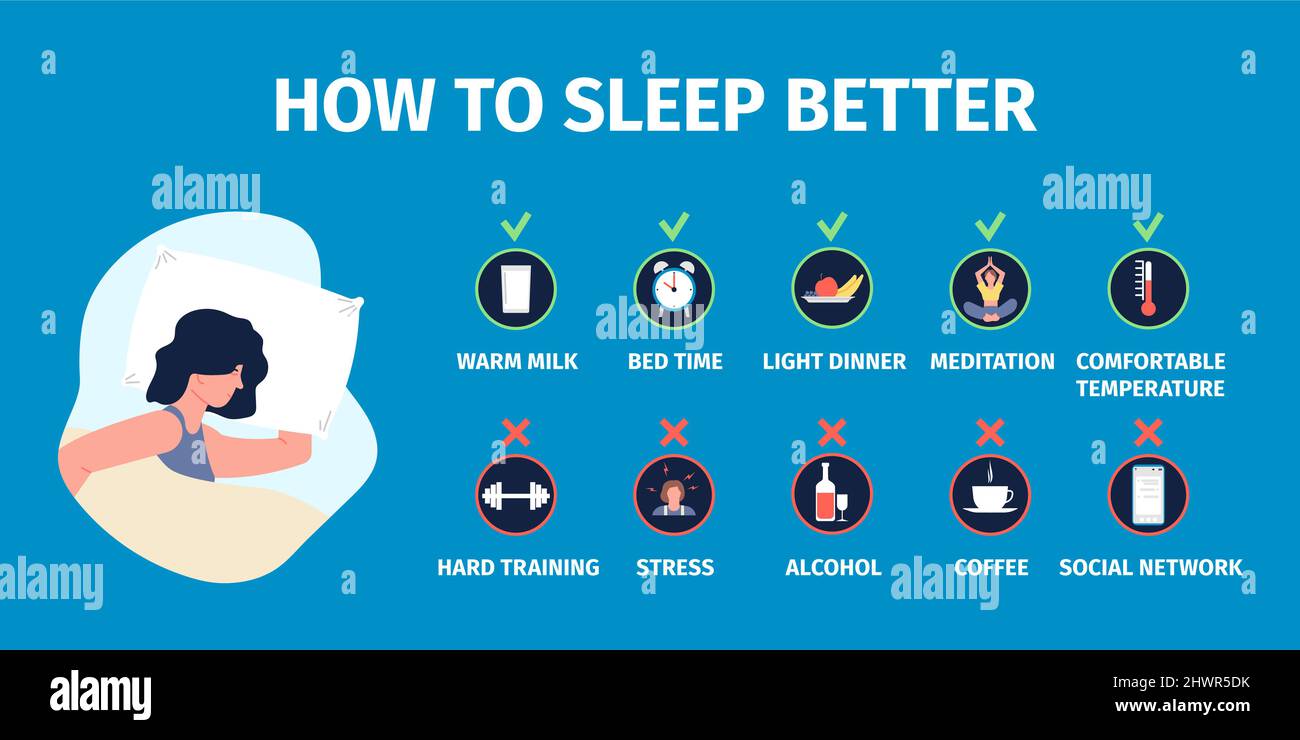
Regular exercise can help improve sleep quality, but be mindful of the timing of your workout. Avoid exercising too close to bedtime, as this can actually interfere with your sleep. Try to finish your workout a few hours before bedtime to allow your body time to wind down.
Try Melatonin Supplements
Melatonin is a hormone that regulates sleep-wake cycles. Taking a melatonin supplement can help regulate your body's internal clock and improve the quality of your sleep. However, be sure to consult with a healthcare professional before starting any new supplements.
Get Some Morning Sunlight
Exposure to natural sunlight in the morning helps regulate your circadian rhythms, which can improve sleep quality. Take a short walk outside in the morning, or open your curtains to let the sunlight in.
Additional Tips
- Try these relaxing teas like chamomile, lavender, or valerian root tea before bed.
- Write down your thoughts and worries in a journal before bed to clear your mind.
- Use aromatherapy with calming scents like lavender or vanilla to promote relaxation.
- Try the 4-7-8 breathing technique to calm your mind and body.
- Get a sleep mask or earplugs to block out any light or noise that might disturb your sleep.
Quick sleep tips for insomnia don't have to be complicated or time-consuming. By incorporating these simple tips into your daily routine, you can improve the quality of your sleep, feel rested and refreshed in the morning, and tackle the challenges of insomnia with confidence.
When to Seek Professional Help
If you've tried these quick sleep tips for insomnia and still find yourself struggling to fall asleep, it may be time to seek professional help. A healthcare professional can help you identify underlying causes of your insomnia and develop a personalized treatment plan to address the issue. Don't hesitate to reach out for help if you're struggling with insomnia – it's a common condition that can have a significant impact on daily life.






:max_bytes(150000):strip_icc()/how-to-get-better-sleep-5094084-regular-FINAL-2c371001cada4ad391f6de53fc6053c9.png "Fast Ways to Fall Asleep | Pizuna Sleep Tips for Insomnia")