Effective Business Planning Techniques for Long-Term Success
Developing a well-crafted business plan is crucial for entrepreneurs, small business owners, and large corporations alike. A solid business plan serves as a roadmap for achieving short-term and long-term goals, identifying opportunities, and mitigating risks. In this comprehensive guide, we will delve into the essential business planning techniques, frameworks, and strategies to help you create a successful business plan that drives growth and prosperity.
What is Business Planning?
Business planning is the process of setting clear goals, outlining strategies, and creating a roadmap for your company's future. It involves identifying opportunities and risks, allocating resources effectively, and staying on track to achieve your objectives. A good business plan should be dynamic, adaptable, and aligned with your organization's mission, vision, and values.
Strategic Planning Models and Techniques
Strategic planning models provide a structured approach to defining your organization's direction and achieving long-term success. Some popular strategic planning models include:
- Balanced Scorecard: A strategic planning and management system that focuses on strategy and improves performance.
- SWOT Analysis: A technique for identifying internal strengths, weaknesses, external opportunities, and threats.
- Mission-Vision-Strategy (MVS): A framework for defining your organization's purpose, goals, and strategies.
- OKR (Objectives and Key Results): A goal-setting framework for defining and tracking objectives and key results.
Key Components of a Business Plan
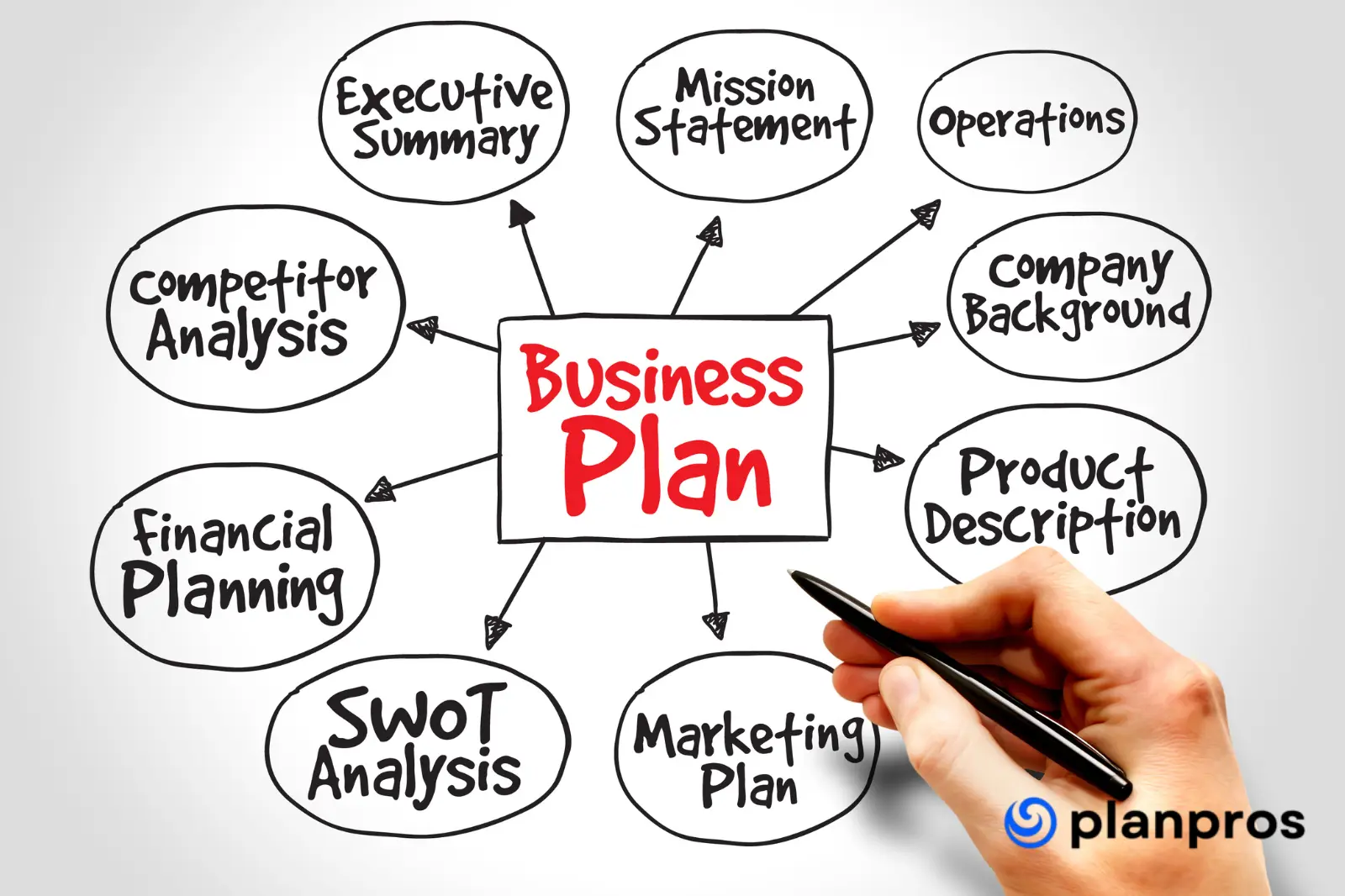
A comprehensive business plan should include the following key components:
- Mission Statement: A clear and concise statement of your organization's purpose and values.
- Market Analysis: An assessment of your target market, competition, and industry trends.
- Marketing Strategy: A description of your marketing approach, including tactics and budget.
- Financial Projections: A detailed forecast of your revenue, expenses, and cash flow.
- Management Team: An overview of your management team, including their roles, responsibilities, and expertise.
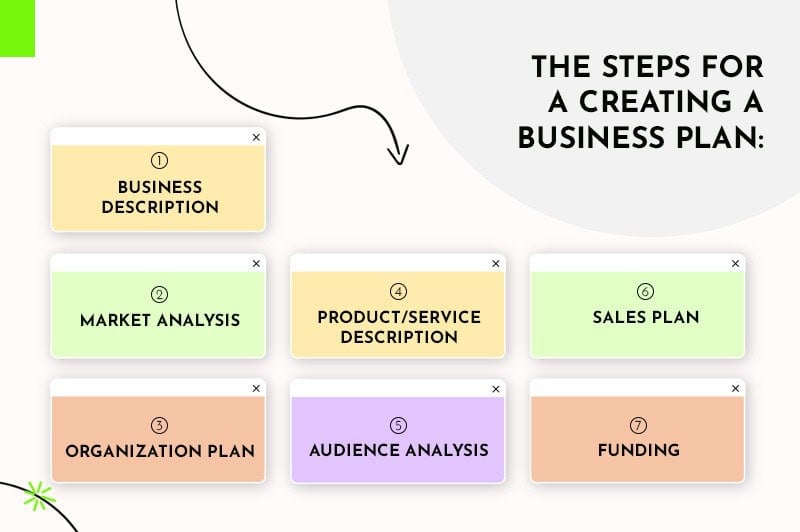
Business Planning Techniques for Success
To create a successful business plan, consider the following techniques:
- Conduct a Feasibility Study: Assess the viability of your business idea, including market demand, competition, and financial projections.
- Develop a Business Model Canvas: A visual representation of your business model, including revenue streams, cost structures, and key activities.
- Create a Risk Management Plan: Identify potential risks and develop strategies to mitigate them.
- Establish a Performance Metrics System: Track key performance indicators (KPIs) to measure your progress and make adjustments as needed.
Conclusion
Business planning is a critical component of long-term success. By employing effective business planning techniques, frameworks, and strategies, you can create a solid business plan that drives growth, innovation, and profitability. Remember to regularly review and update your business plan to ensure it remains aligned with your organization's evolving goals and objectives.
Additional Resources
For more information on business planning techniques, frameworks, and strategies, consider the following resources:
- Drive enterprise-wide business planning with Workday Adaptive Planning Cloud.
- Learn the 6 steps of the business planning process to help you develop a great business plan.
- Discover the complete business planning process of identifying gaps, defining goals, testing ideas, and creating a plan that evolves as your business grows.