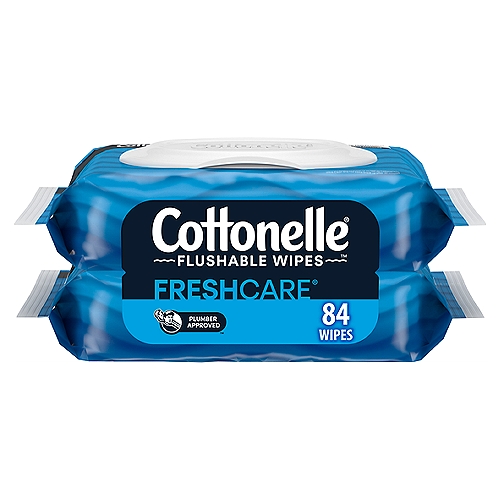
Can I Flush Flushable Wipes? A Guide to Understanding the Risks
With the rise of flushable wipes, many people wonder if it's okay to flush them down the toilet. While the packaging may claim they are "flushable," the truth is more complex than you think. In this article, we'll delve into the world of flushable wipes, exploring their effects on plumbing, sewer systems, and the environment.
The Myth of Flushable Wipes
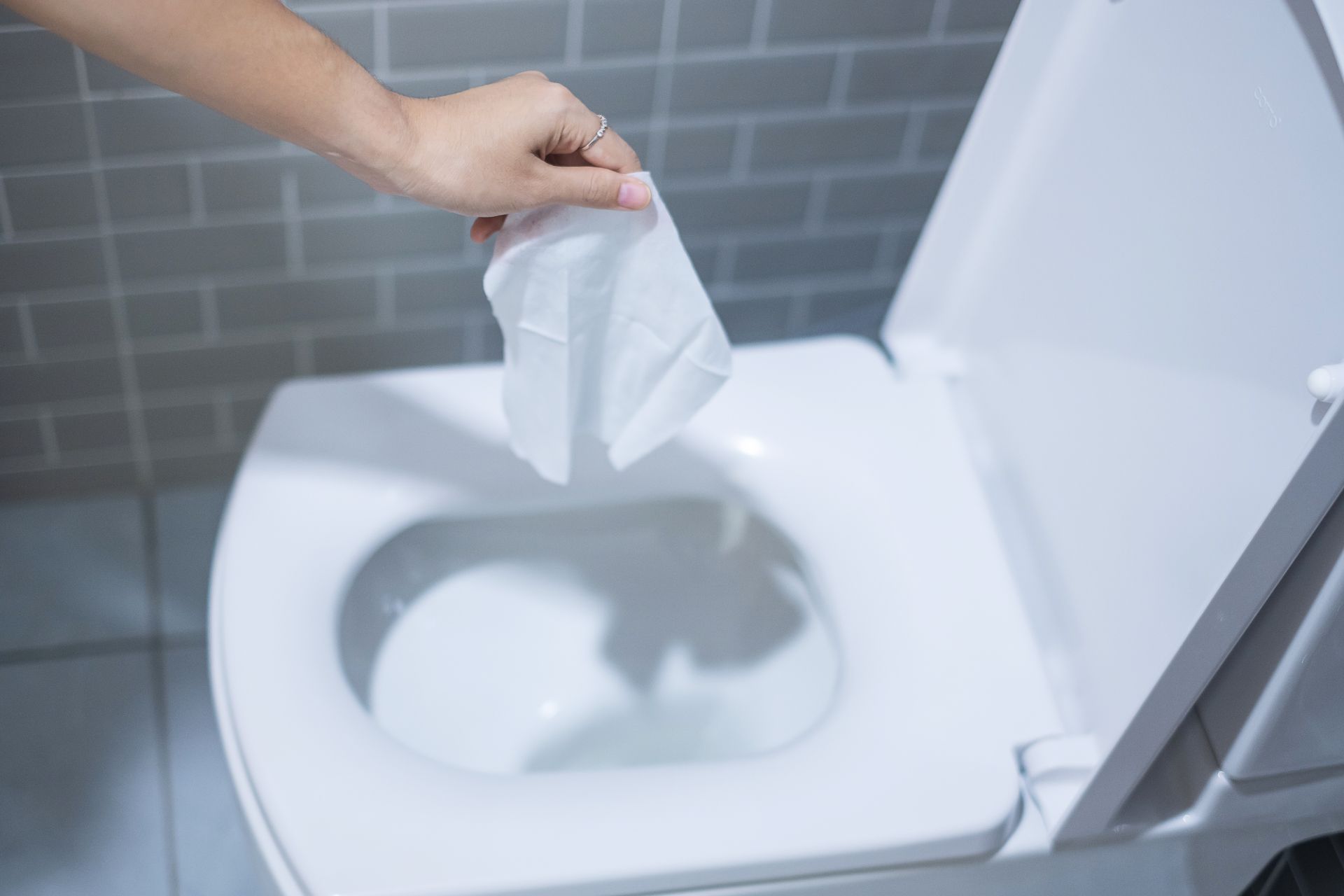
Many of us have been led to believe that flushable wipes are a safe and convenient alternative to traditional toilet paper. However, the truth is that these wipes can cause significant problems for both homeowners and the city's sewer pipes. They are designed to be durable and water-resistant, making them more likely to clog pipes and settle in sewer systems.
What Happens When You Flush Flushable Wipes?
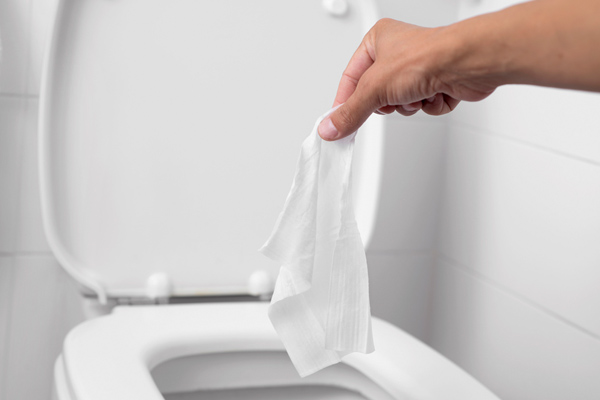
When you flush flushable wipes, they can combine with other materials in the sewer system, such as paper towels or sanitary items, forming a dense clog that restricts water flow. This can lead to blockages in your home's plumbing system or the municipal sewer line, requiring costly and time-consuming removal. Moreover, these wipes can cause sewage backups, damage to pipes, and problems with the water treatment system.
The Reality of Clogs and Backups
Despite what you might read on packaging labels, flushable wipes are often to blame for clogs and backups in plumbing systems. In fact, studies have shown that non-flushable items, such as baby wipes, cleaning wipes, and feminine hygiene products, make up the majority of blockages. The truth is that even supposedly "flushable" wipes can cause problems, and it's essential to take a closer look at the ingredients and manufacturing process.
How to Identify Flushable Wipes
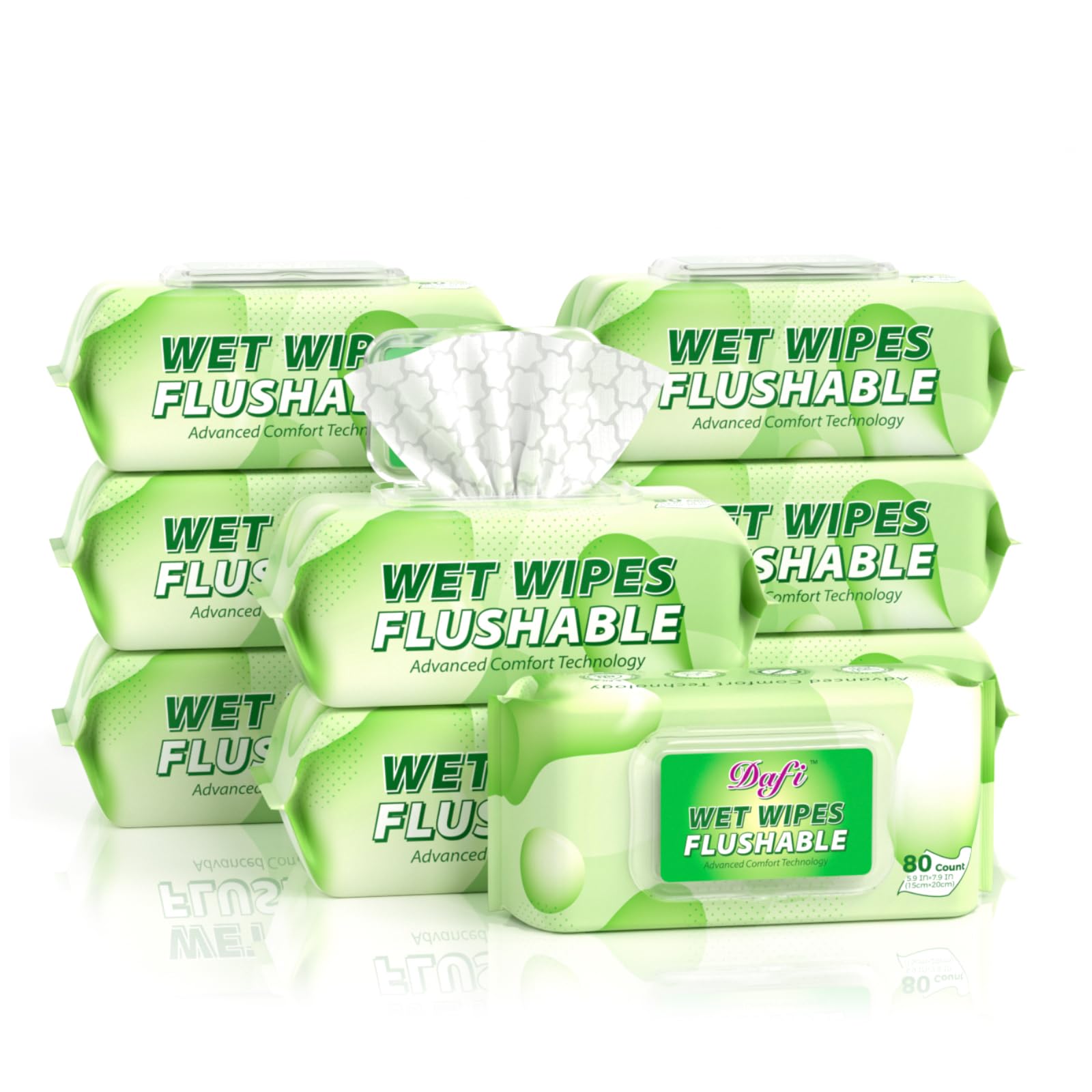
When it comes to identifying flushable wipes, it's crucial to check the packaging for certifications from reputable organizations, such as the Association of the Nonwoven Fabrics Industry (INDA) or the International Association of Plumbing and Mechanical Officials (IAPMO). These certifications ensure that the wipes meet specific standards for flushability and biodegradability.
The Environmental Impact of Flushable Wipes
In addition to causing problems for plumbing systems, flushable wipes can also harm the environment. They can accumulate in wastewater treatment plants and contaminate waterways, leading to pollution and harm to aquatic life. Furthermore, the manufacturing process for these wipes often involves the use of non-renewable resources and generates significant amounts of waste.
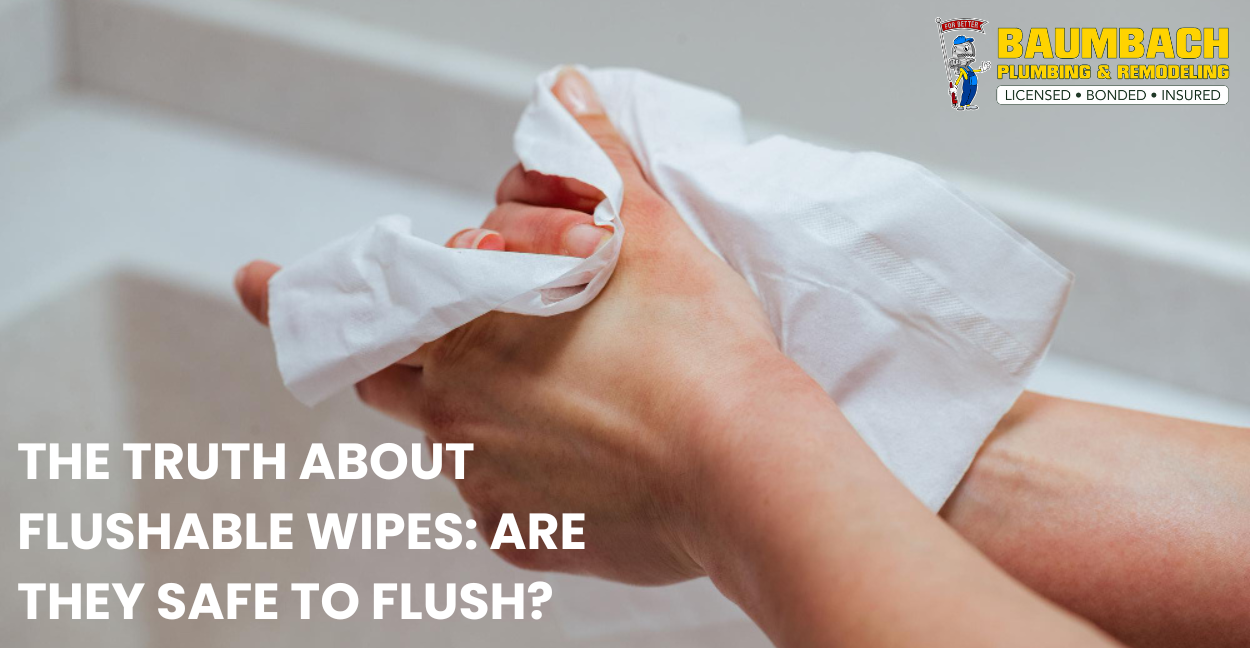
The Verdict: Can I Flush Flushable Wipes?
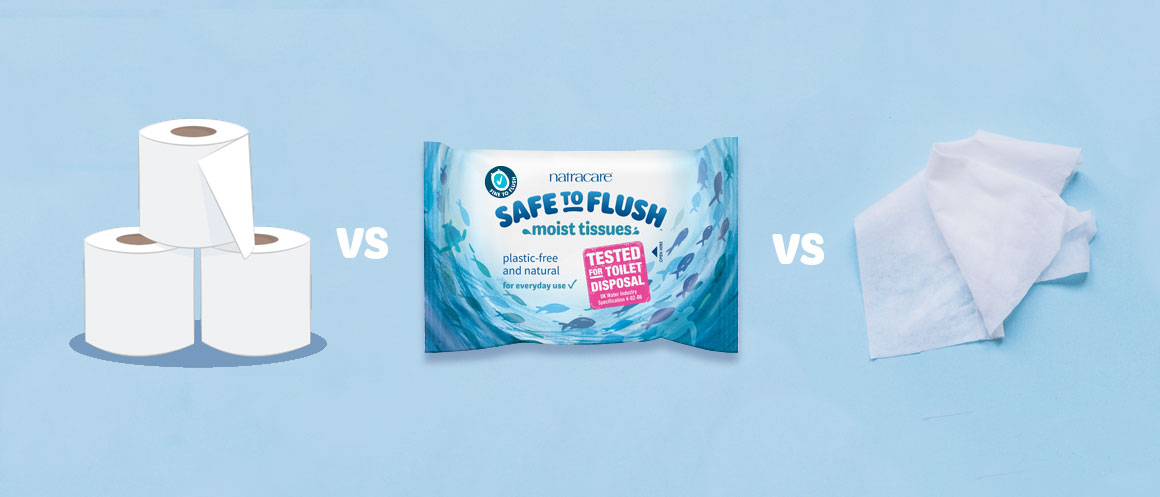
In conclusion, while flushable wipes may seem like a convenient alternative to traditional toilet paper, the risks associated with flushing them down the toilet far outweigh any perceived benefits. To protect your home, your wallet, and the environment, it's best to stick to traditional toilet paper and avoid flushing any wipes, even those labeled as "flushable."
Alternatives to Flushable Wipes
If you're looking for a more eco-friendly and flushable option, consider the following alternatives:
- Traditional toilet paper
- Bamboo toilet paper
- Recycled toilet paper
- Cloth wipes for baby care and personal hygiene
Conclusion
When it comes to flushing flushable wipes, it's essential to be aware of the potential risks and consequences. By choosing traditional toilet paper and avoiding the use of wipes, you can help protect your plumbing system, reduce your environmental footprint, and save money in the long run.
Additional Resources
For more information on flushable wipes and their impact on plumbing systems and the environment, check out the following resources:
- Association of the Nonwoven Fabrics Industry (INDA)
- International Association of Plumbing and Mechanical Officials (IAPMO)
- Responsible Flushing Alliance
- Environmental Protection Agency (EPA)