The Pros and Cons of Giving Benadryl to Dogs
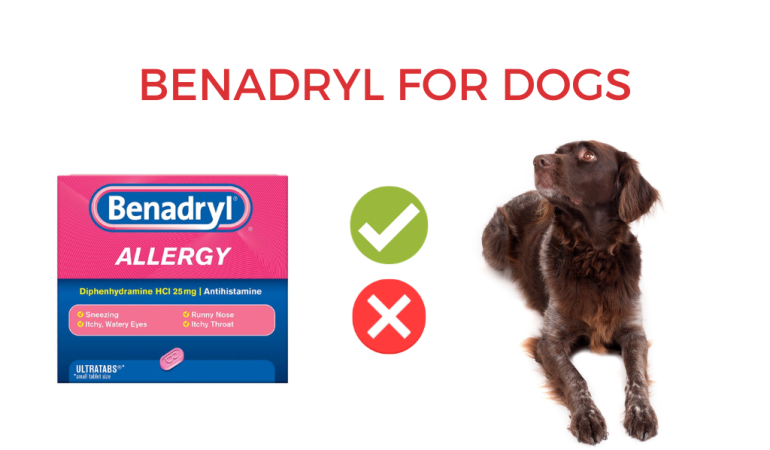
Benadryl, also known as diphenhydramine, is a popular human medication used to treat various allergy symptoms, including itching, sneezing, and runny nose. While it's a common over-the-counter medication for humans, its use in dogs is a bit more complex. As a responsible pet owner, it's essential to understand the pros and cons of giving Benadryl to your furry friend.
What Is Benadryl Used For In Dogs?
Benadryl is commonly used in dogs to treat allergies, itching, and mild anxiety. However, its effectiveness for these conditions is outweighed by its potential risks. When used correctly under veterinary guidance, Benadryl can help alleviate symptoms of:
- Mild to moderate environmental allergies
- Antihistamine
- Anti-nausea medication
- Antidote for venomous bites or stings
- Calming and sedative effects
Pros of Giving Benadryl to Dogs
The benefits of using Benadryl in dogs include:
- Effective for mild allergies and allergic reactions
- Can be used in combination with other medications for enhanced results
- Rapid relief from itching, sneezing, and runny nose due to allergies
- Also serves as a sedative for anxious or restless dogs
Cons of Giving Benadryl to Dogs
Despite its benefits, Benadryl comes with some notable drawbacks:
- Risk of adverse reactions, especially with high doses or in sensitive breeds
- Can interact with other medications, such as heart medications, sedatives, and certain antidepressants
- May cause drowsiness, lethargy, or shaking in some dogs
- Can worsen conditions like glaucoma, urinary retention, and anxiety
- May not be effective for severe or chronic allergies

Side Effects and Precautions
It's crucial to monitor your dog's response to Benadryl, as side effects can vary depending on the individual dog and dosage.
- Common side effects include drowsiness, drooling, and constipation
- More severe side effects include tremors, seizures, and changes in blood pressure
Proper Dosage Guidelines
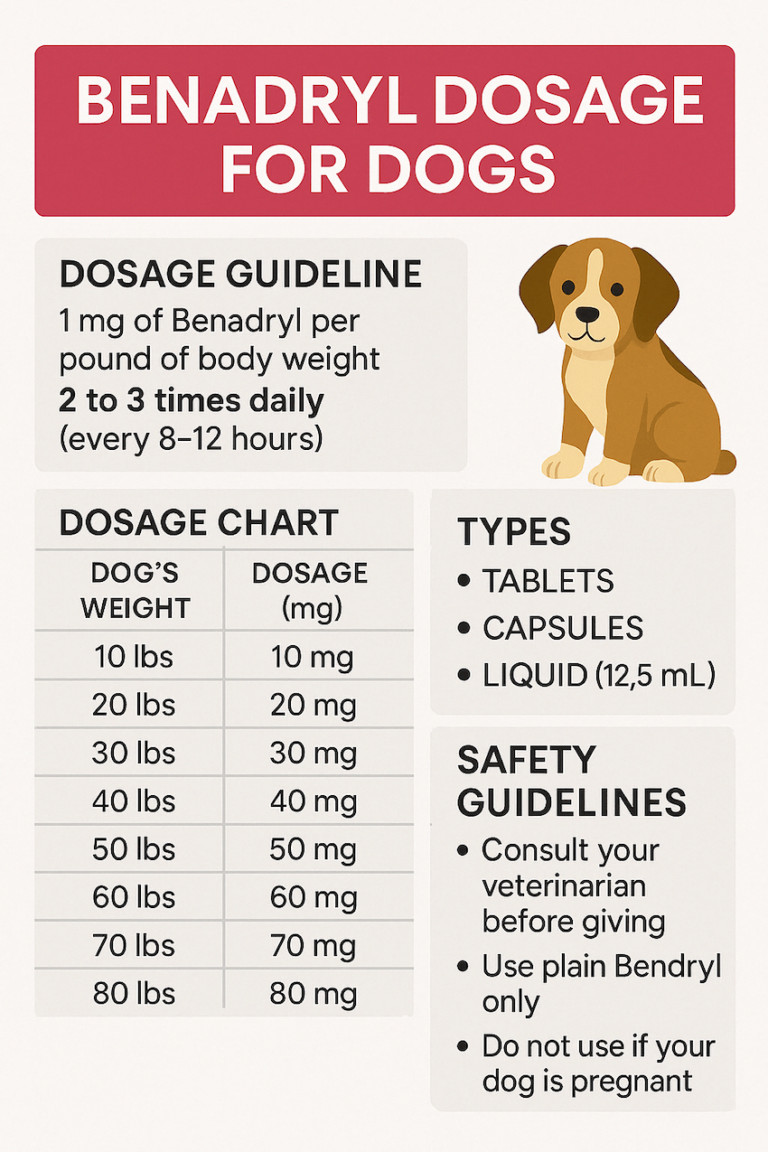
The recommended dosage for Benadryl in dogs is 1 milligram per pound of body weight every 8-12 hours. However, it's essential to consult with your veterinarian before administering Benadryl to your dog.
- Dosage charts and guides are often outdated or incorrect
- Overdosing can be life-threatening
- Under-dosing may not provide effective relief
Conclusion
While Benadryl can be a helpful tool in treating allergy symptoms and mild anxiety in dogs, it's crucial to weigh the pros and cons before administering it to your furry friend. Always consult with your veterinarian to determine the best course of action and ensure safe and effective treatment.
Final Thoughts
As a responsible pet owner, it's essential to understand the potential risks and benefits of giving Benadryl to your dog. By weighing the pros and cons, you can make an informed decision about whether this medication is right for your pet. Remember, always consult with your veterinarian before administering any medication to your dog, including over-the-counter drugs like Benadryl.