Overcoming Information Overload: Managing the Modern World of Excess Information
Are you drowning in a sea of information? With the ever-increasing digitization of the world and the constant flow of information through various channels, managing the sheer volume of data can become overwhelming. Information Overload is a common phenomenon that affects both personal and professional lives, causing stress, anxiety, and decreased productivity. It's essential to understand the causes and effects of information overload and learn strategies to overcome it.
Understanding Information Overload
Information Overload occurs when an individual is exposed to more information than they can effectively process, manage, or utilize. The relentless pace, emotional intensity, and feeling of needing to stay constantly updated can all contribute to this state. It's not just about the volume of content; it's about the sheer amount of information that demands our attention and processing power.
Effects of Information Overload
- Decreased Productivity
- Increased Stress and Anxiety
- Difficulty in Decision-Making and Prioritization
- Mental Fatigue
- Reduced Focus and Concentration
Causes of Information Overload
The modern workplace and technology have accelerated the information explosion, making it challenging to manage effectively. Some of the primary causes of Information Overload include:
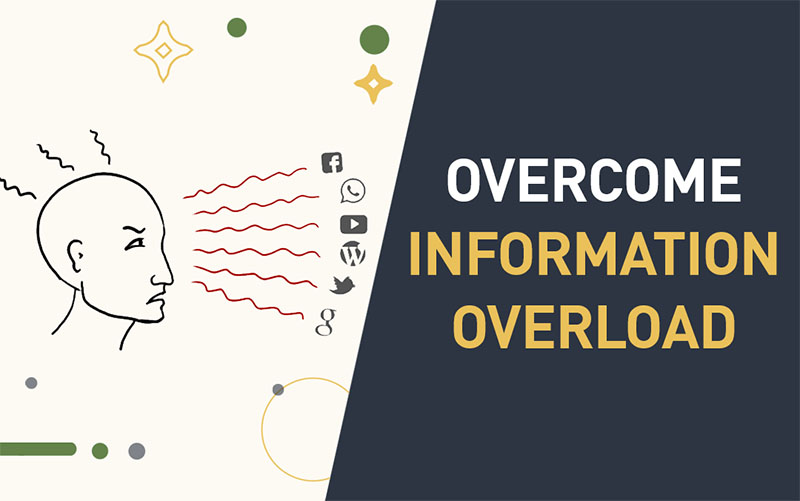
- Excessive Social Media and Email Communication
- The Proliferation of Digital Communication Channels
- 24/7 Online Accessibility
- Unfiltered and Unstructured Information
- Insufficient Training and Support
Strategies for Overcoming Information Overload
Fortunately, there are various strategies that can help you overcome Information Overload:
- Set Boundaries and Priorities: Learn to say no to non-essential information and focus on high-priority tasks.
- Use Filtering and Categorization Tools: Implement tools like filters, labels, and folders to manage and organize information effectively.
- Practice Active Listening and Filtering: Focus on the most relevant information and ignore unnecessary details.
- Take Regular Breaks and Engage in Self-Care: Manage mental fatigue by taking breaks and taking care of your physical and mental well-being.
- Continuously Update Your Skills and Knowledge: Stay up-to-date with the latest developments and improve your information management skills.
- Implement Effective Communication Channels: Use efficient and time-saving communication tools to minimize information flow.
- Limit Multitasking and Focus on One Task at a Time: Reduce mental overload by focusing on a single task at a time.
- Use Technology to Your Advantage: Utilize AI-powered tools and automation to streamline information management tasks.
- Set Realistic Expectations and Goals: Manage expectations and avoid overcommitting to minimize mental overload.
Conclusion
Information Overload is a common issue that affects both personal and professional lives. Understanding its causes and effects is essential to develop effective strategies for overcoming it. By implementing the strategies outlined above, you can regain control over your information management, reduce mental fatigue, and increase productivity. Take the first step towards overcoming Information Overload and reclaim your mental wellness today.