Factors that Improve Attention Span in Children with ADHD
Attention-deficit/hyperactivity disorder (ADHD) is a neurodevelopmental disorder that affects a significant number of children worldwide. One of the key challenges associated with ADHD is the impairment in attention span, which can impact academic performance and social interactions. While medication is often prescribed to manage ADHD symptoms, research has shown that certain factors can improve attention span in children with ADHD.
Understanding ADHD and Attention Span
ADHD is characterized by symptoms of inattention, hyperactivity, and impulsivity, which can affect a child's ability to focus and pay attention. This can lead to difficulties in academic and social settings, making it essential to identify effective strategies to improve attention span in children with ADHD.
Factors that Improve Attention Span in Children with ADHD

Several factors have been identified that can improve attention span in children with ADHD. These include:
Regular Physical Activity: Research has shown that regular physical activity can improve attention span in children with ADHD. Engaging in physical activities such as sports, dance, or even simple exercises like jumping jacks can help improve focus and reduce symptoms of ADHD.
Mindfulness and Meditation: Mindfulness and meditation techniques have been found to improve attention span in children with ADHD. These techniques can help reduce stress and anxiety, which are common co-occurring conditions with ADHD.
Zinc Supplementation: Some studies have suggested that zinc supplementation can improve attention span in children with ADHD, particularly those with zinc deficiencies.
Behavioral Therapies: Behavioral therapies, such as parent-child interaction therapy (PCIT), have been found to improve attention span in children with ADHD. These therapies can help parents and caregivers develop strategies to manage ADHD symptoms and improve relationships with their child.
Parent-Child Interaction Therapy (PCIT): PCIT is an evidence-based therapy that can help improve attention span in children with ADHD. This therapy involves training parents to manage their child's behavior and develop positive relationships with their child.
Music Therapy: Music therapy has been found to improve attention span in children with ADHD. This therapy can help children with ADHD develop focus and concentration while engaging in enjoyable and creative activities.
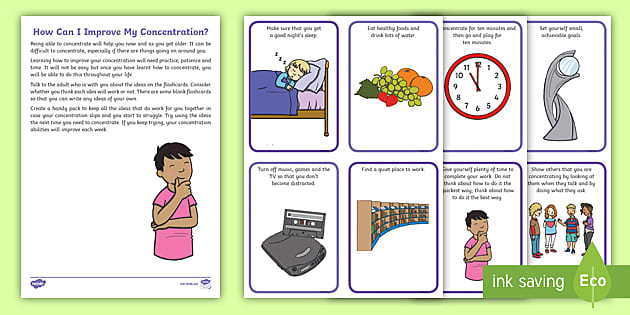
Sleep and Nutrition: Adequate sleep and nutrition are essential for attention span in children with ADHD. Establishing a regular sleep schedule and providing a balanced diet rich in nutrients can help improve attention span.
Technology-Based Interventions: Technology-based interventions, such as video games and mobile apps, have been found to improve attention span in children with ADHD. These interventions can provide engaging and interactive experiences that help children develop focus and concentration.
Multi-Sensory Learning: Multi-sensory learning, which involves using multiple senses to learn, has been found to improve attention span in children with ADHD. This approach can help children with ADHD engage in learning activities that are more enjoyable and interactive.
Individualized Education Plans (IEPs): IEPs are personalized plans that help children with ADHD develop specific goals and interventions to improve attention span. Working with educators and caregivers to develop an IEP can help children with ADHD develop focus and concentration.
Conclusion
Improving attention span in children with ADHD requires a comprehensive approach that involves multiple factors. By incorporating regular physical activity, mindfulness and meditation, zinc supplementation, behavioral therapies, PCIT, music therapy, sleep and nutrition, technology-based interventions, multi-sensory learning, and IEPs, parents and caregivers can help children with ADHD develop focus and concentration. It is essential to work with healthcare professionals to develop personalized plans that meet the unique needs of each child.