Understanding Dog Travel Restrictions: A Comprehensive Guide
Traveling with pets can be a fun and exciting experience for both you and your furry friend. However, it's essential to understand the various dog travel restrictions imposed by different countries, airlines, and modes of transportation to ensure a smooth and stress-free journey.
Researching Dog Travel Restrictions
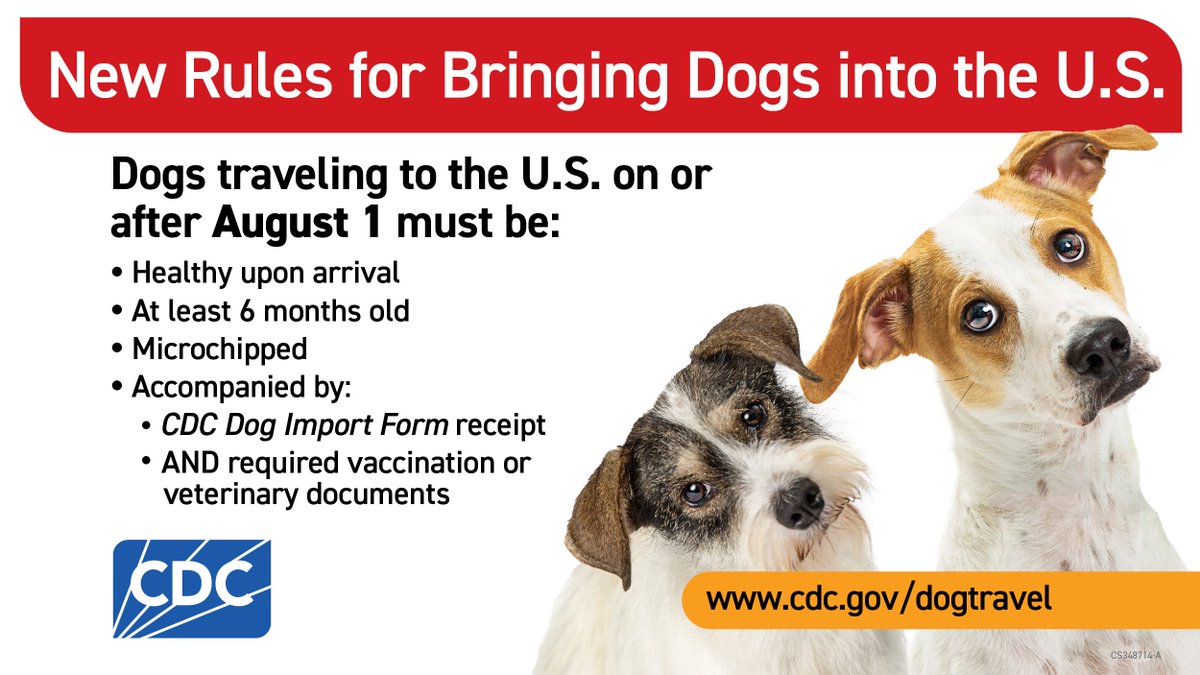
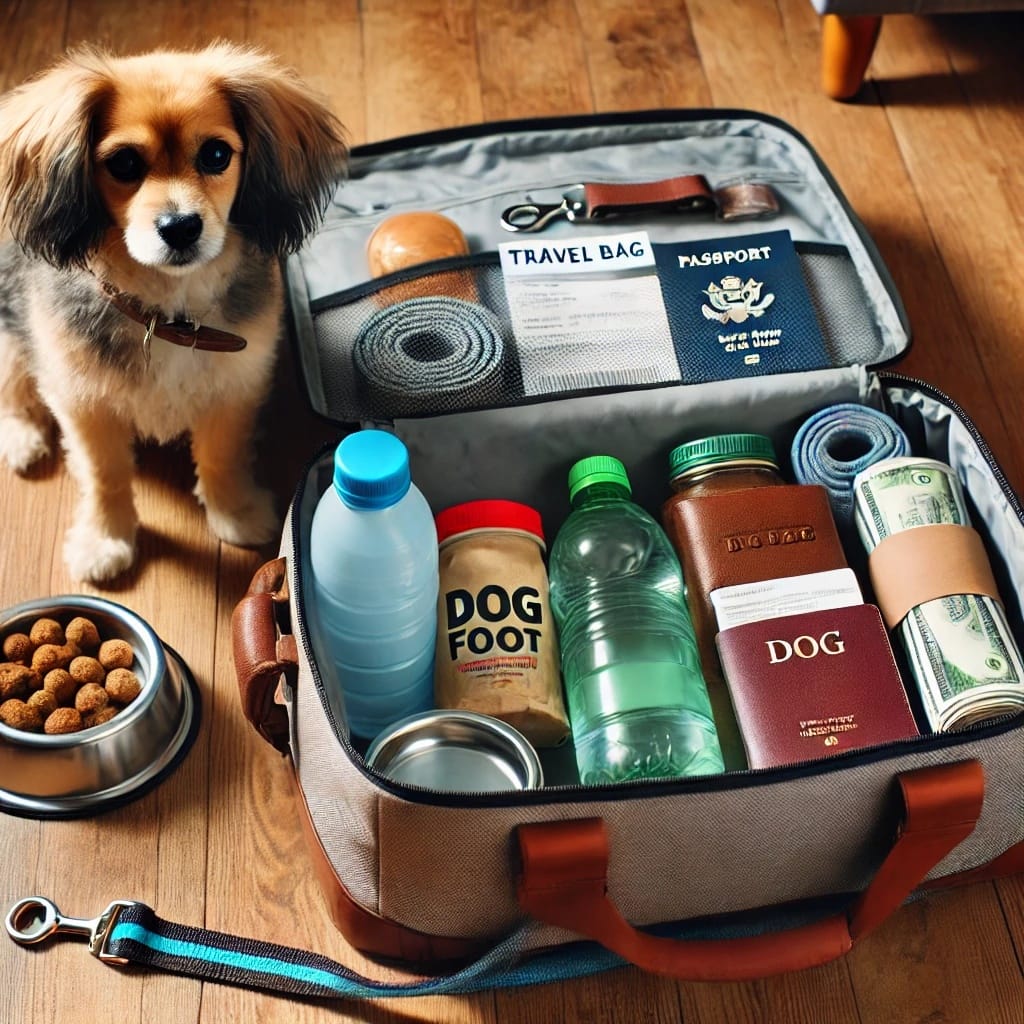
Before planning a trip with your dog, it's crucial to research the dog travel restrictions in your destination country. This includes understanding the necessary documents, vaccinations, and health certificates required for your pet's entry. The US Department of Agriculture website provides detailed information on pet travel requirements for international travelers.
Domestic vs. International Dog Travel
Dog travel restrictions can vary significantly between domestic and international travel. When traveling within the US, you may need to meet specific requirements for your dog's health, age, and size. International travel, on the other hand, often requires obtaining a health certificate, updating vaccinations, and administering treatments specific to the destination country.
- Domestic dog travel restrictions may include requirements for microchipping, rabies vaccination, and obtaining a health certificate from a licensed veterinarian.
- International dog travel restrictions often involve obtaining an export permit, a health certificate, and vaccinations specific to the destination country.
Airline Pet Travel Policies
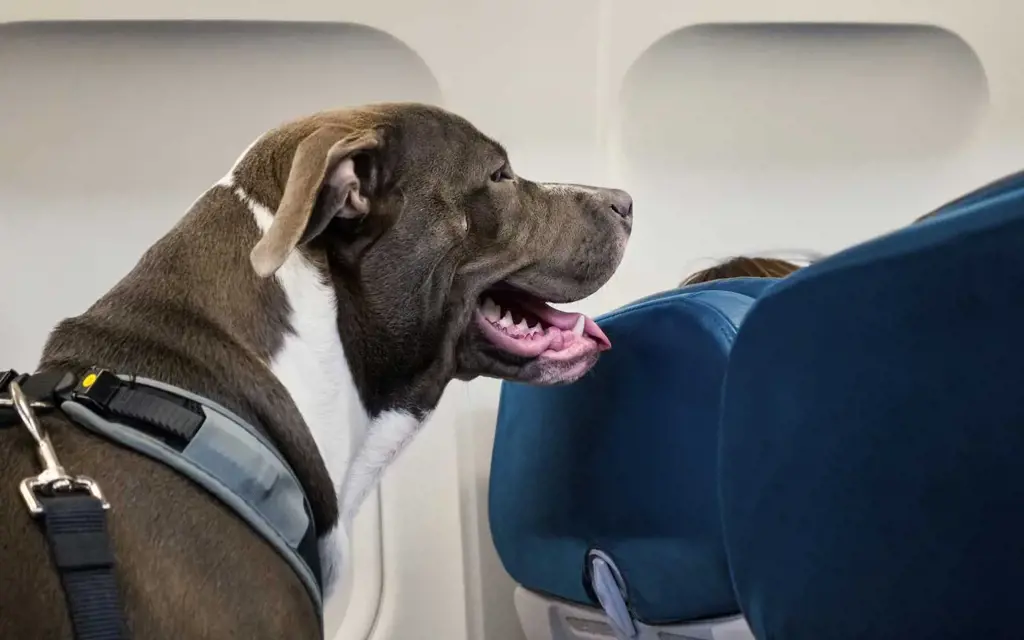
Major airlines have different pet travel policies, which may include restrictions on the size and weight of your dog, as well as requirements for pet carriers and in-cabin travel. Some airlines may also have specific rules for traveling with emotional support animals or service dogs.
- Delta, for instance, requires a Health Certificate for Alaska and Hawaii travel, but not for contiguous US travel.
- Allegiant permits traveling with pet dogs and cats on flights within the contiguous 48 states and Puerto Rico.
- Southwest Airlines has specific requirements for pet reservations, accepted types of pets, and pet fares.
Service Dogs and Emotional Support Animals
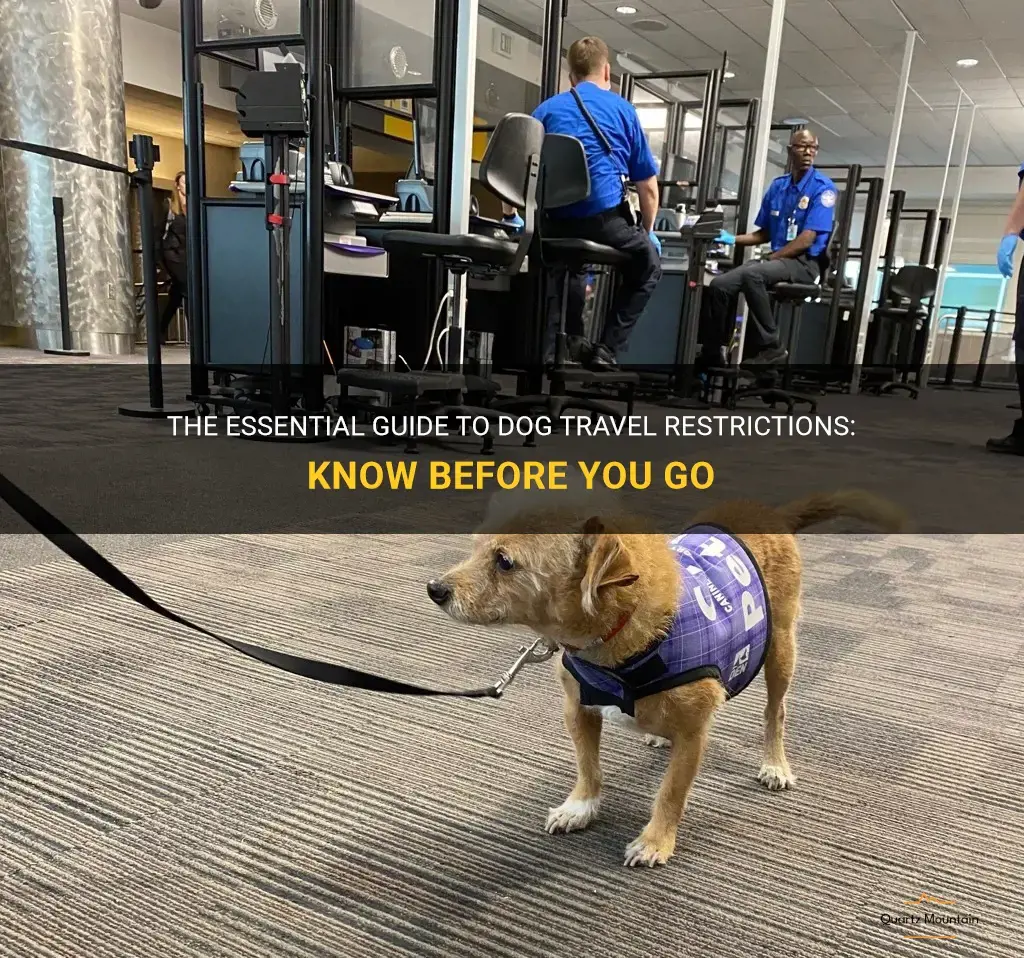
When traveling with service dogs or emotional support animals, it's essential to understand the unique requirements and restrictions imposed by airlines and airports. Service dogs, for example, must meet specific criteria to qualify as service animals and may have additional documentation requirements.
- Trained service dogs can travel in the cabin to and from all Hawaiian islands.
- Other animals, including pets, require prior acceptance by Hawaiian quarantine officials.
International Dog Travel Regulations
For international dog travel, it's essential to comply with the regulations of both your home country and the destination country. This may involve obtaining a health certificate, updating vaccinations, and obtaining an export permit.
- The EU has implemented new regulations for pet travel, including the requirement for proof of no reported rabies for 30 days prior to travel.
- Some countries, like Japan, have relaxed their pet import regulations, while others, like the UAE, have implemented stricter regulations.
Conclusion
Understanding dog travel restrictions is crucial for ensuring a smooth and stress-free journey with your pet. By researching the specific requirements for your destination country, airline, and mode of transportation, you can avoid costly fines and stress. Always consult the relevant authorities, such as the US Department of Agriculture or your airline, to confirm the latest dog travel restrictions and regulations.