Managing Information Overload in the Business World: Strategies for Success
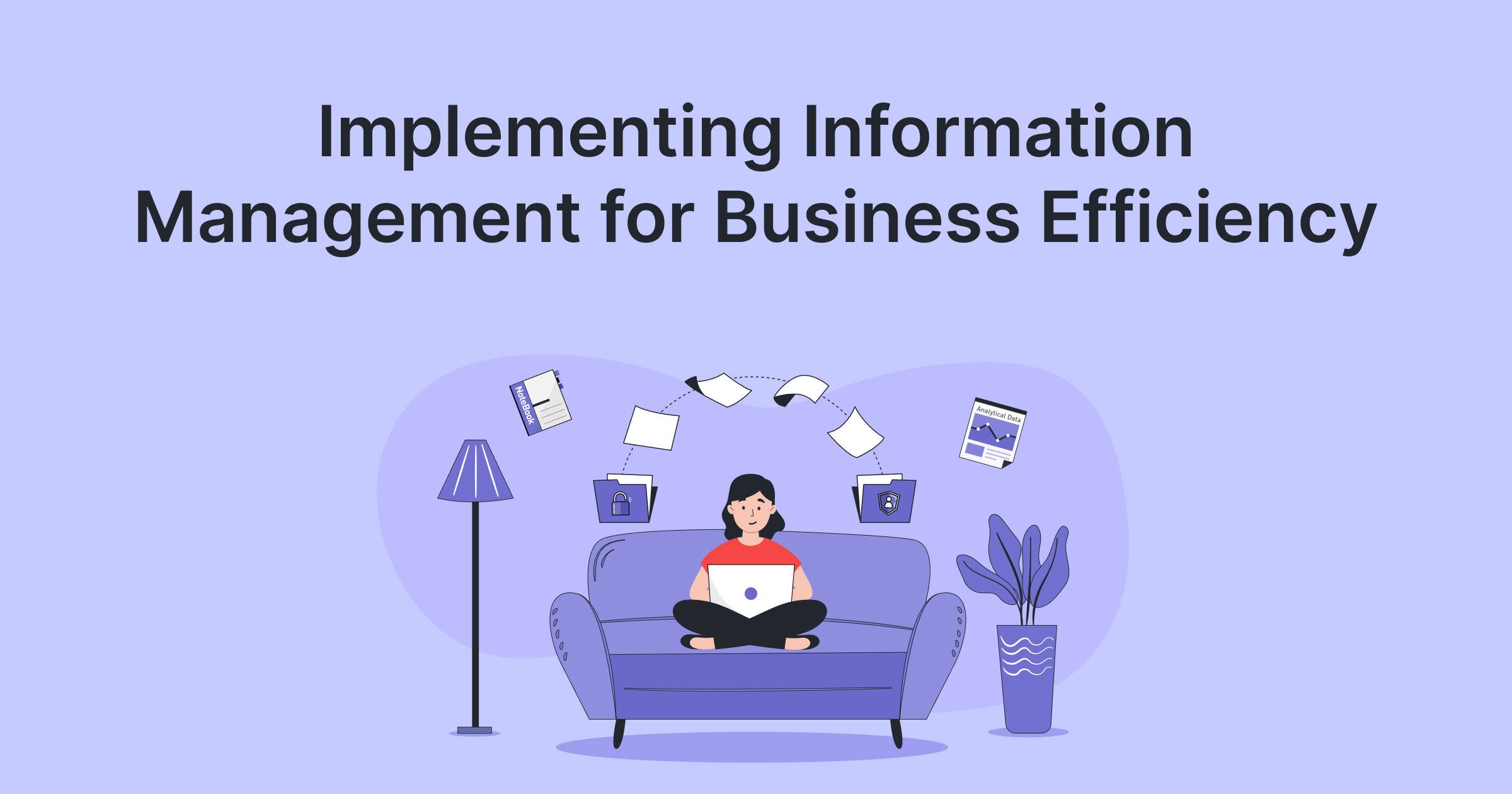
In today's fast-paced digital world, it's easy to get overwhelmed by the sheer volume of information we're exposed to every day. Information overload is a common challenge faced by businesses of all sizes, and it's having a significant impact on productivity, morale, and bottom-line results. In this article, we'll explore the causes and effects of information overload, and provide practical strategies for managing it in the business world.
What is Information Overload?
Information overload refers to the state of being overwhelmed by the sheer volume of data, messages, and decisions we encounter daily. Constant digital communication, task switching, and multitasking can stretch our attention, making it harder to manage and reducing our information processing capacity. The result is a feeling of overwhelm, frustration, and decreased productivity.
Causes of Information Overload
So, what causes information overload? There are several common causes, including:
- Proliferation of digital communication tools: Emails, instant messaging, social media, news feeds, and other digital channels constantly push new information.
- Vast amount of data available: The internet and digital archives provide access to an unprecedented volume of information.
- Constant notifications and interruptions: Digital alerts, notifications, and interruptions can be distracting and make it harder to stay focused.
- Increased use of multitasking: The trend towards multitasking can lead to divided attention, decreased productivity, and increased information overload.
Effects of Information Overload
Information overload can have significant effects on individuals, teams, and organizations. Some of the common effects include:
- Decreased productivity: Information overload can lead to decreased productivity, as individuals struggle to manage their workload and stay focused.
- Reduced morale: The feeling of being overwhelmed by information can lead to reduced morale, decreased job satisfaction, and increased stress.
- Poor decision-making: Information overload can lead to poor decision-making, as individuals may feel overwhelmed and uncertain about which information to trust.
- Financial consequences: Information overload can have significant financial consequences, including lost productivity, decreased revenue, and increased costs.
Strategies for Managing Information Overload
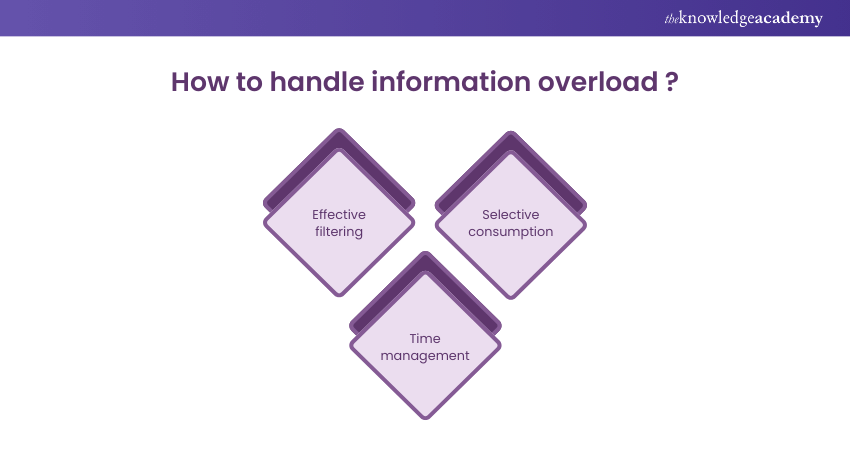
So, what can you do to manage information overload in the business world? Here are some practical strategies to try:
1. Prioritize Tasks
One of the most effective ways to manage information overload is to prioritize tasks. Focus on the most important tasks, and break them down into smaller, manageable chunks.
2. Use Filtering Tools
Use filtering tools to sort and categorize information, and eliminate unnecessary clutter. This can help reduce the noise and make it easier to focus on the most important information.
3. Limit Digital Distractions
Limit digital distractions, such as social media, email, and notifications, to help you stay focused and avoid interruptions.
4. Take Regular Breaks
Take regular breaks to recharge and refocus. This can help reduce stress and improve productivity.
5. Develop a Task Management System
Develop a task management system to help you stay organized and on track. This can include tools such as to-do lists, calendars, and project management software.
Conclusion
Information overload is a common challenge faced by businesses of all sizes. By understanding the causes and effects of information overload, and implementing practical strategies for managing it, you can improve productivity, morale, and bottom-line results. Remember to prioritize tasks, use filtering tools, limit digital distractions, take regular breaks, and develop a task management system to help you stay on track.
Additional Resources
For more information on managing information overload, check out the following resources:
- "Managing Information Overload in the Business World" - A comprehensive guide to managing information overload in the business world.
- "Information Overload: Causes, Effects, and Strategies for Managing It" - A detailed article on the causes, effects, and strategies for managing information overload.
- "Boost Productivity with These Tips to Manage Information Overload" - A practical guide to boost productivity with tips to manage information overload.