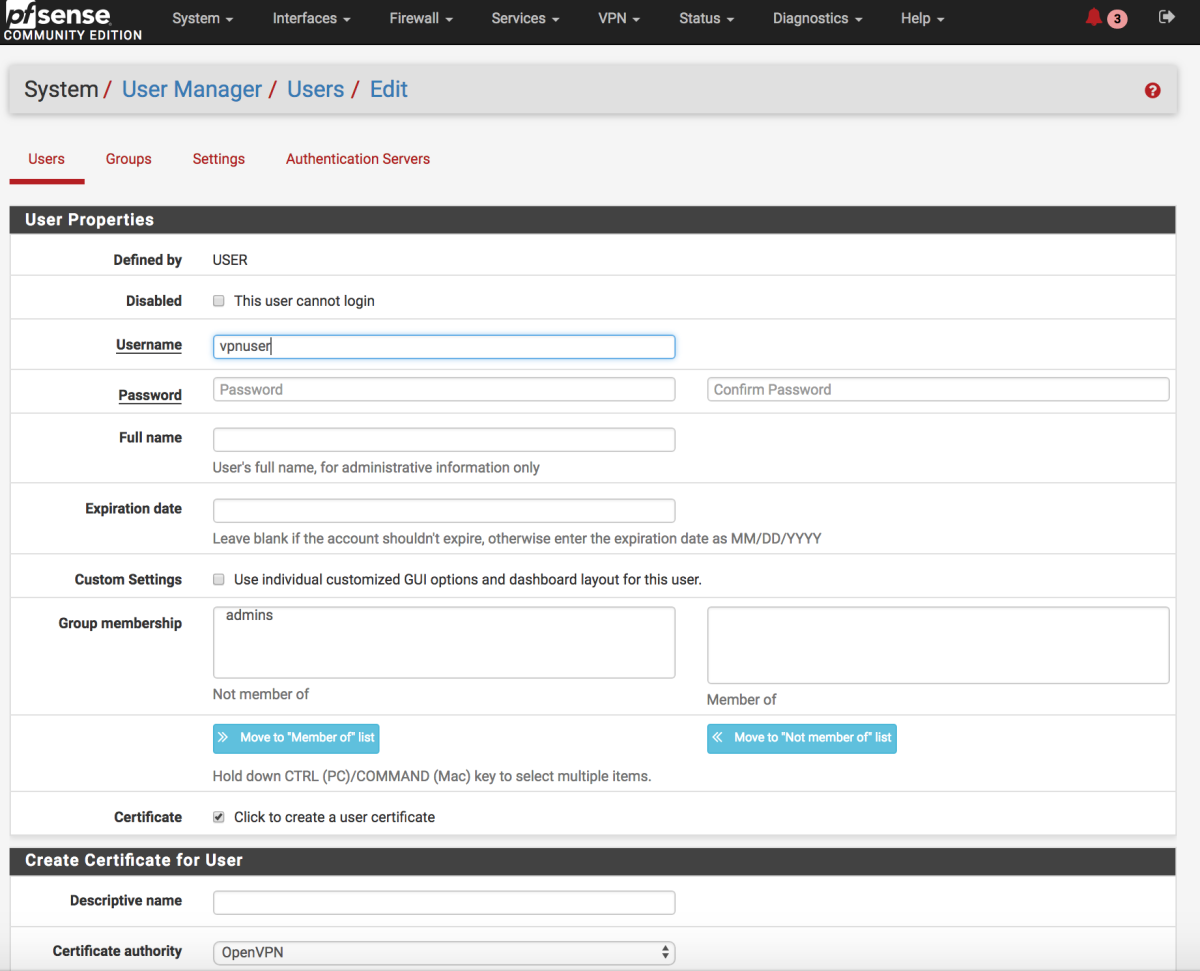
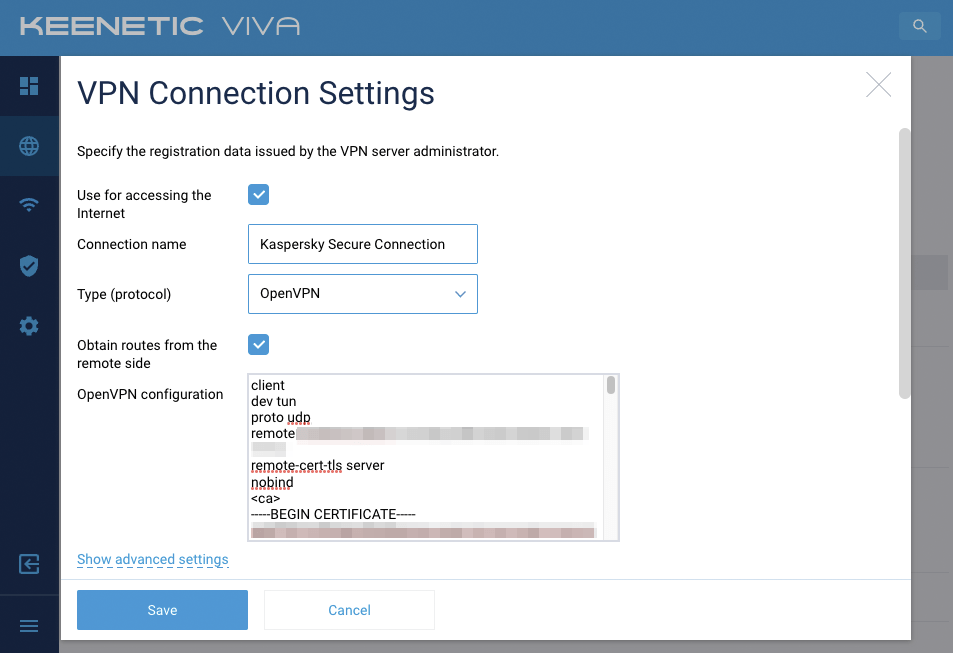
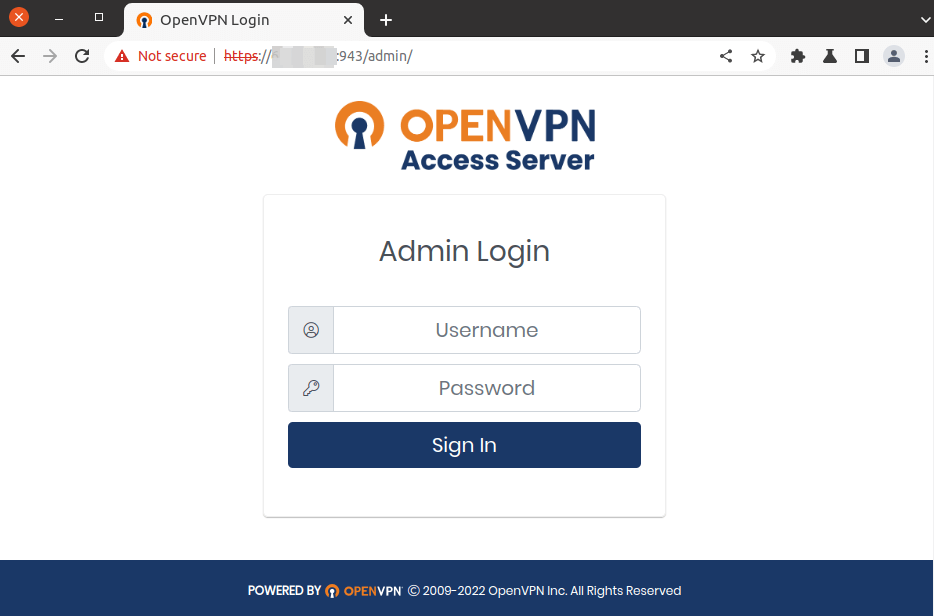
OpenVPN is a popular choice for Virtual Private Network (VPN) solutions due to its high-level security, ease of configuration, and compatibility with various operating systems. Whether you're looking to secure your internet connection, protect your data on public networks, or access geo-restricted content, OpenVPN is an excellent option.
To begin, you'll need to install OpenVPN on a server. This can be done using various methods, including installing packages or automated scripts. One popular option is to use the OpenVPN Server AutoSetupScript, which simplifies the deployment process by handling configuration, installation, and optimization steps automatically.
While OpenVPN is a secure choice, you may also consider WireGuard, a modern VPN protocol designed for speed and efficiency. Both protocols have their strengths and weaknesses, and the choice between them often depends on your specific needs and preferences. However, if you're looking for a reliable and widely supported solution, OpenVPN is a great option.
- Using Alternative Authentication Methods: OpenVPN allows you to use alternative authentication methods, such as dual-factor authentication, to enhance security.
- Adding Dual-Factor Authentication: You can add dual-factor authentication to your OpenVPN configuration for added security.
- Running an OpenVPN Server on a Dynamic IP Address: OpenVPN can also be run on a dynamic IP address, allowing you to connect to your VPN server from anywhere.
- Connecting to an OpenVPN Server via an HTTP Proxy: You can connect to your OpenVPN server using an HTTP proxy, adding an extra layer of security.
- Connecting to a Samba Share Over OpenVPN: You can also connect to a Samba share over OpenVPN, allowing you to access network resources securely.
For more advanced users, OpenVPN offers a range of options for customizing your configuration. You can configure specific IPv4 subnets to route through the VPN tunnel, add additional security measures such as encryption, and even use smart cards for authentication.
• Routing All Client Traffic (Including Web Traffic) Through the VPN
You can route all client traffic, including web traffic, through the VPN tunnel using OpenVPN. This adds an extra layer of security to your online activities.
• Configuring Multiple Connections
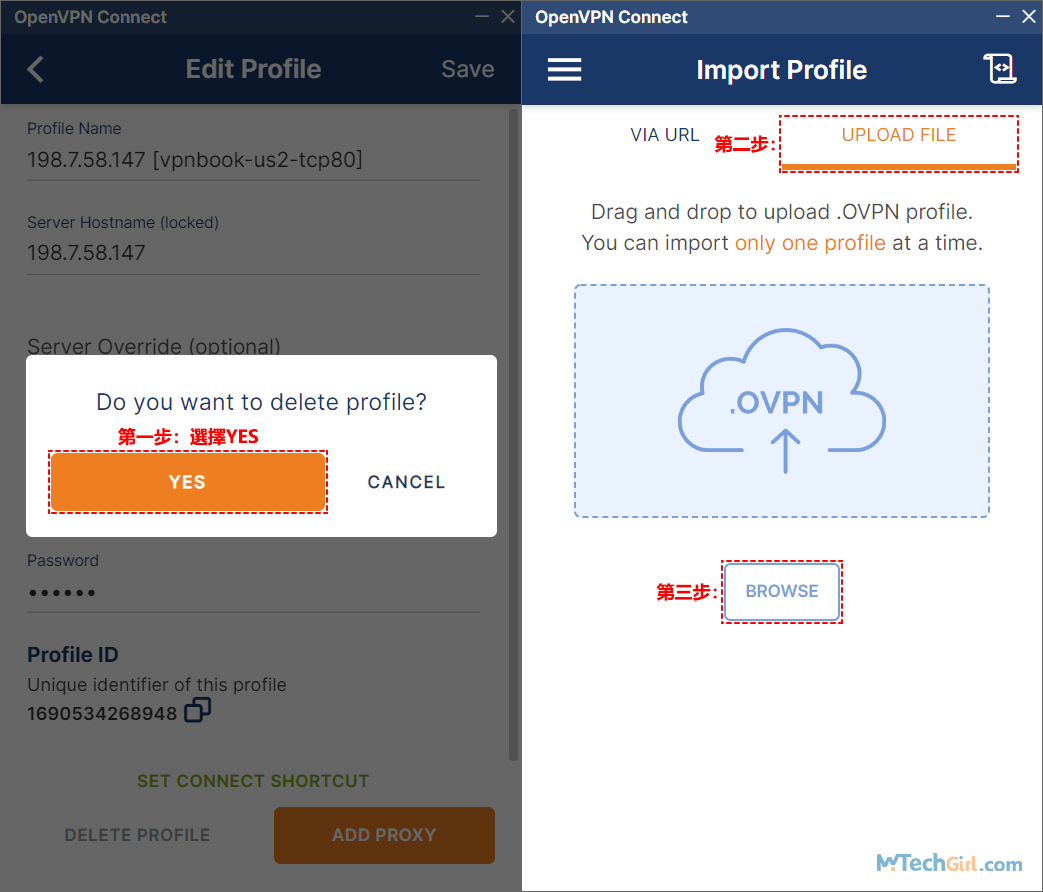
OpenVPN allows you to configure multiple connections, making it easy to manage and connect to your VPN server from different devices or locations.
If you're experiencing issues with your OpenVPN setup, there are several troubleshooting resources available to help you resolve the problem. You can also consult the OpenVPN documentation for detailed instructions on configuring and optimizing your VPN server.
Setting up a VPN using OpenVPN is a straightforward process that can be tailored to your specific needs and preferences. By choosing the right protocol, using alternative authentication methods, and configuring your OpenVPN server for maximum security, you can enjoy a fast, reliable, and secure VPN connection.
What is OpenVPN? OpenVPN is a popular VPN protocol known for its high-level security, ease of configuration, and compatibility with various operating systems.
How do I install OpenVPN? You can install OpenVPN on a server using various methods, including installing packages or automated scripts.
What are the advantages of using OpenVPN? OpenVPN offers high-level security, ease of configuration, and compatibility with various operating systems, making it a popular choice for VPN solutions.