Jumper Wire Repair Techniques: A Comprehensive Guide
As a technician or DIY enthusiast, repairing jumper wires is an essential skill to master. Knowing the right techniques and tools can make the process smoother and more efficient. In this article, we will cover the basics of jumper wire repair techniques, tools, and best practices to help you get the job done right.
Understanding Jumper Wires
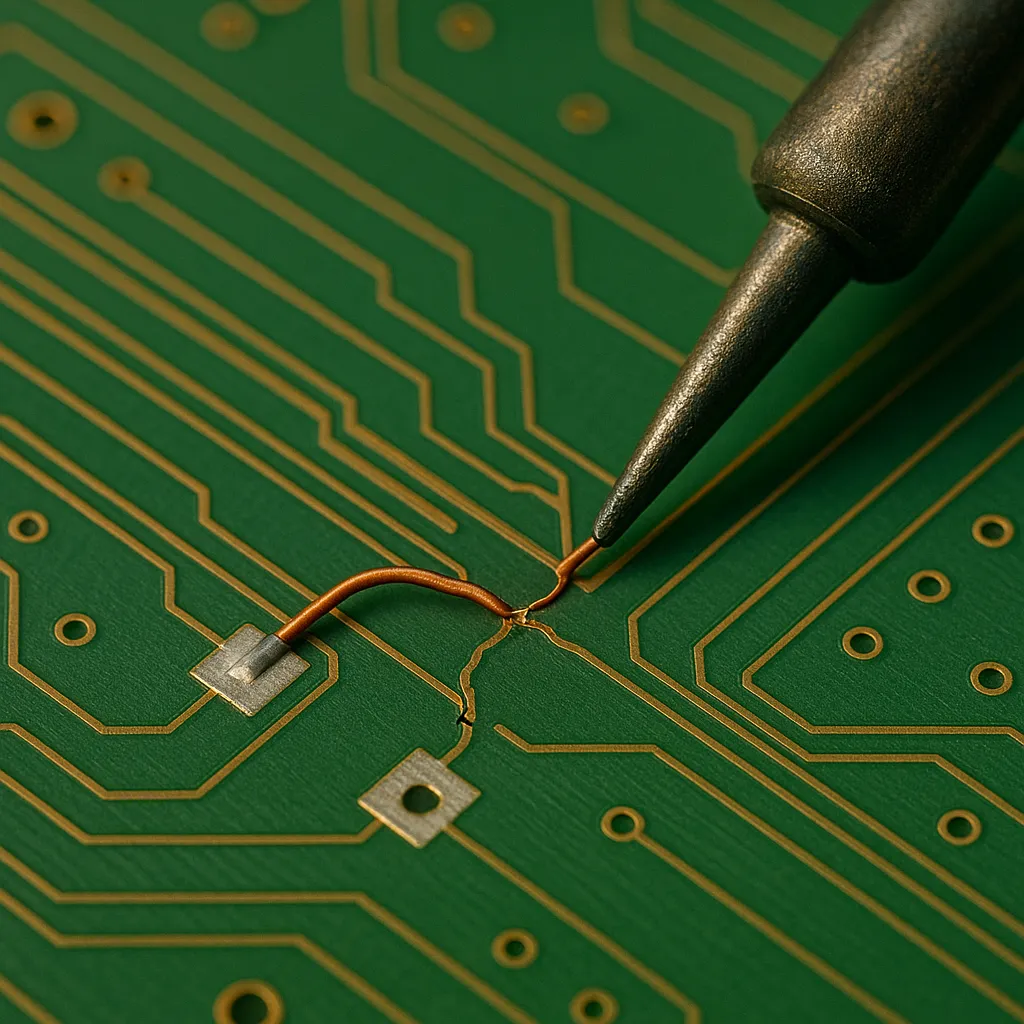
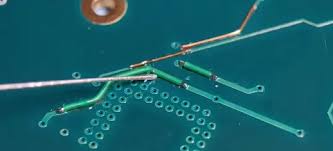
Jumper wires are conducting wires that establish an electrical connection between two points in a circuit. They are used to modify a circuit or to diagnose problems in a circuit. Jumper wires can be used to repair damaged or broken tracks on a printed circuit board (PCB) and are an essential tool in electronics repair.
Tools and Materials Needed
- Good pair of wire cutters
- Soldering iron and tips
- Heat shrink tubing
- Multimeter for testing connections
- Cleaner like flux remover pen or alcohol pad
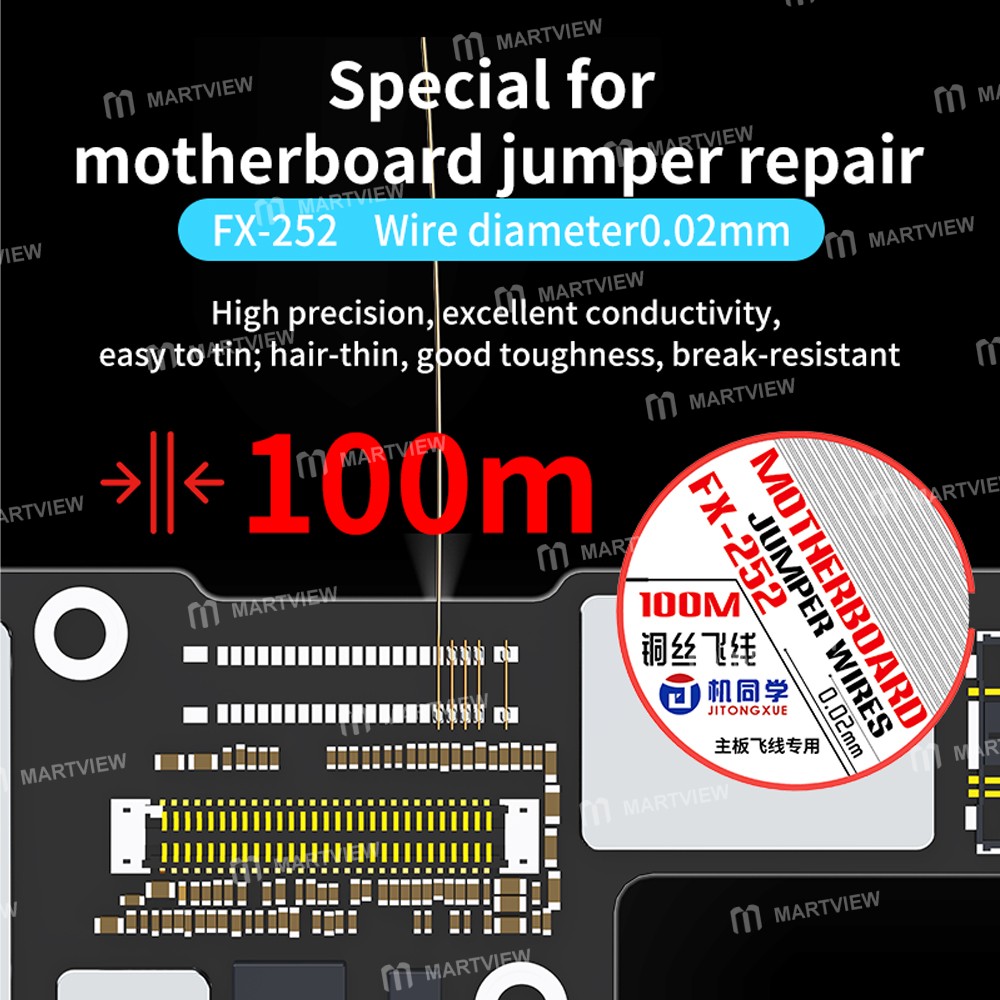
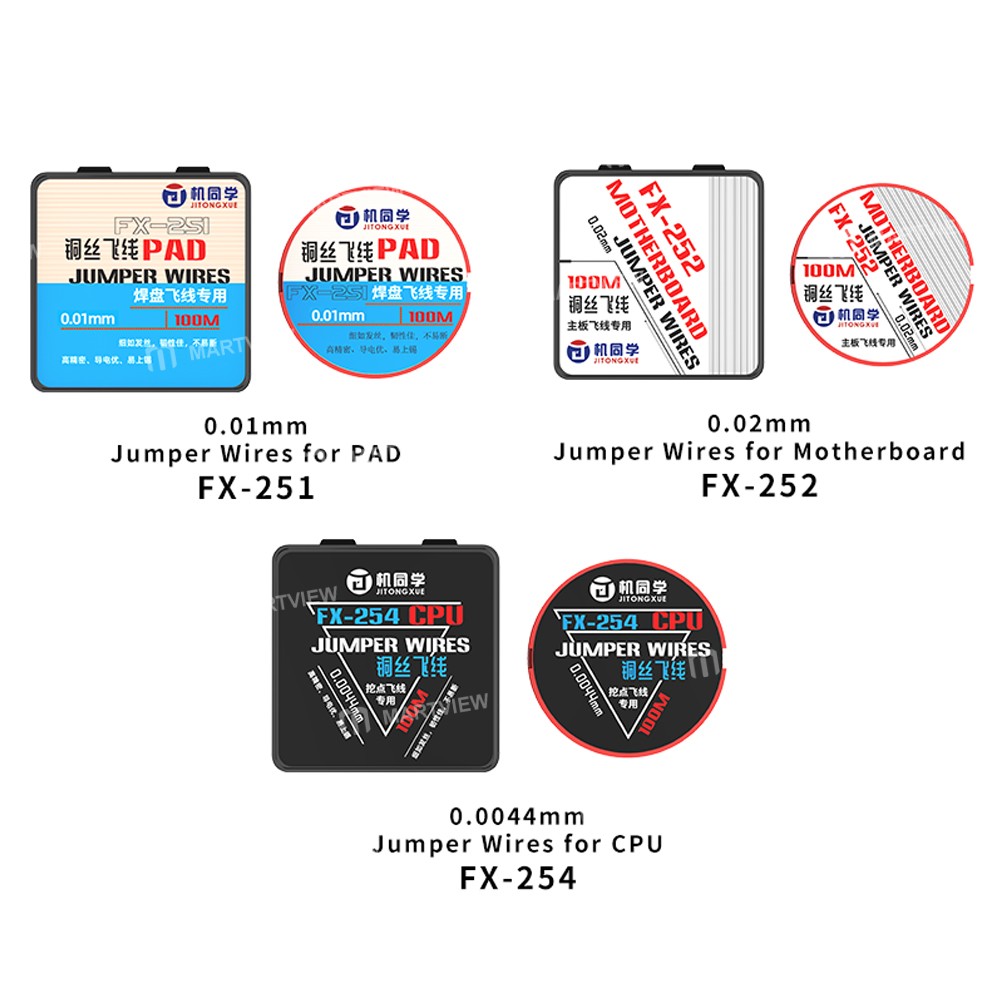
- Jumper wire
- Epoxy overcoat
- Desoldering wick
- Knife
- Wire stripper
Step-by-Step Jumper Wire Repair Technique
The following steps provide a general outline of the jumper wire repair technique:
- Solder one end of the jumper wire to the point where the track is broken.
- Form the jumper wire as needed to connect the two points.
- Secure the jumper wire to the surface of the board.
- Solder the other end of the jumper wire to the other point.
Best Practices for Jumper Wire Repair
To ensure the integrity and reliability of the jumper wire connections, follow these best practices:
- Use the right gauge of wire for the job.
- Choose the right type of wire for the application.
- Use proper soldering techniques to prevent overheating and damage to the PCB.
- Route the jumper wire carefully to avoid damaging other components or tracks.
- Use heat shrink tubing to insulate the jumper wire.
- Test the connections with a multimeter to ensure they are working properly.

Conclusion
Jumper wire repair techniques are an essential skill for technicians and DIY enthusiasts. By following the steps and best practices outlined in this article, you can effectively repair jumper wires and ensure the integrity and reliability of the connections. Remember to use the right tools and materials, and to follow proper soldering techniques to avoid damaging the PCB.
Common Jumper Wire Repair Techniques
Here are some common jumper wire repair techniques:
- Using a soldering iron to repair a broken track on a PCB.
- Using a jumper wire to connect two points on a circuit board.
- Using a multimeter to test connections and ensure they are working properly.
- Using heat shrink tubing to insulate jumper wires.
- Using epoxy overcoat to protect the jumper wire from damage.
Real-World Applications of Jumper Wire Repair Techniques
Jumper wire repair techniques have a wide range of real-world applications, including:
- Repairing mobile phones and other electronic devices.
- Fixing broken tracks on PCBs.
- Connecting two points on a circuit board.
- Testing connections with a multimeter.
- Using heat shrink tubing to insulate jumper wires.
Conclusion
In conclusion, jumper wire repair techniques are an essential skill for technicians and DIY enthusiasts. By following the steps and best practices outlined in this article, you can effectively repair jumper wires and ensure the integrity and reliability of the connections. Remember to use the right tools and materials, and to follow proper soldering techniques to avoid damaging the PCB.
.png?format=1000w "How to Finish Jumper Wire Repair Faster Here are the tips & tricks ...")