Reducing Stress Caused by Divided Attention in the Workplace and Daily Life
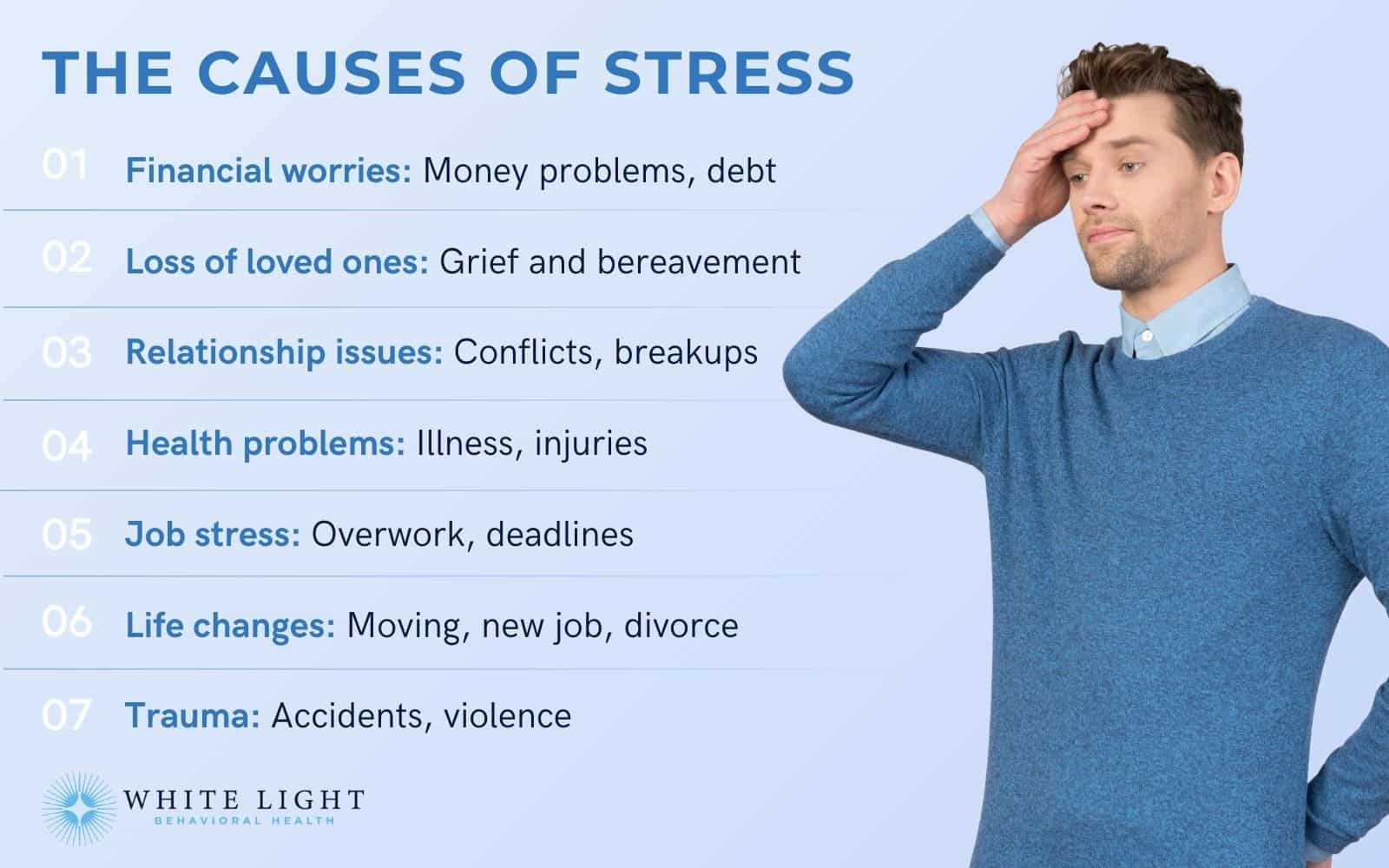
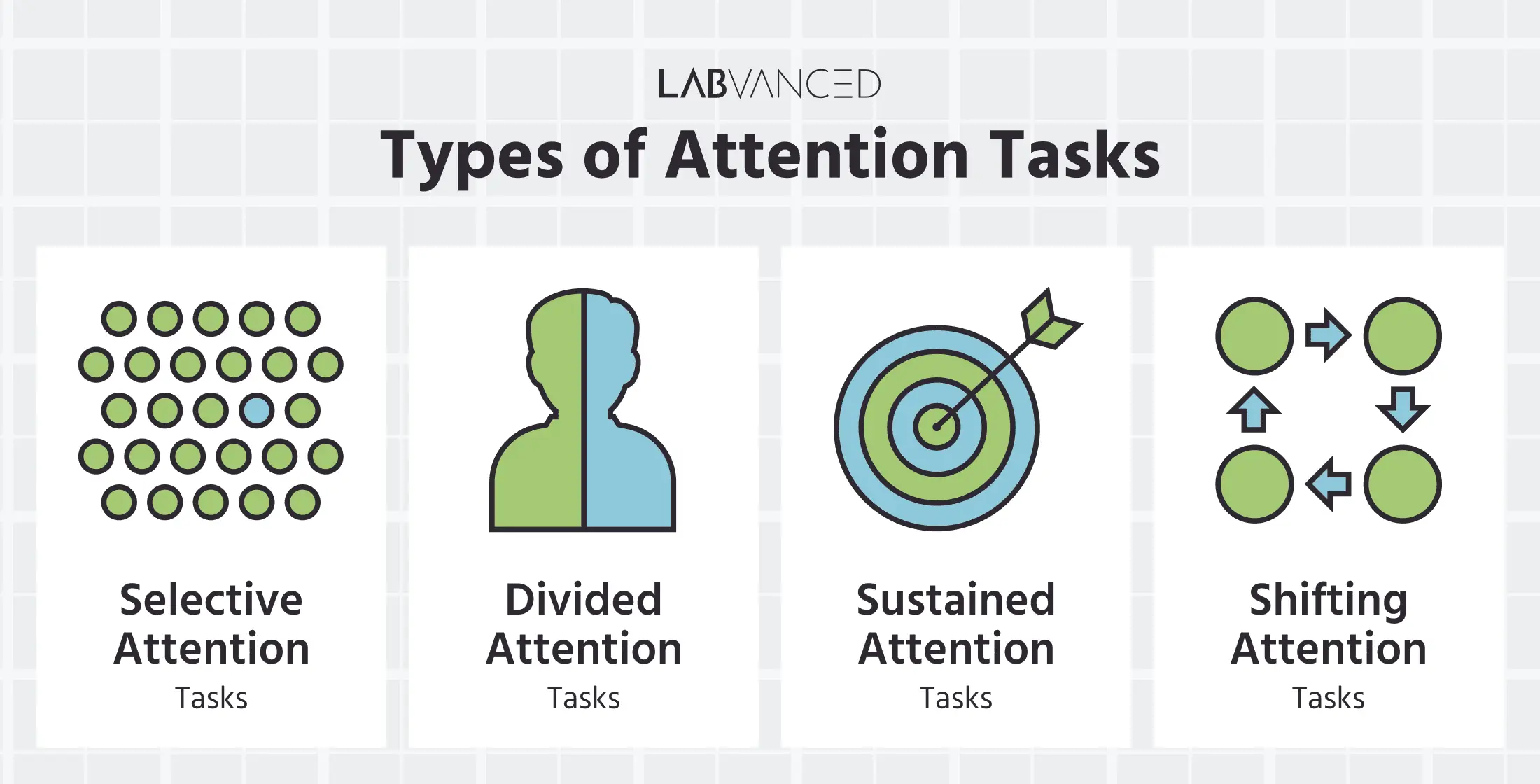
In today's fast-paced world, it's easy to get caught up in the hustle and bustle of daily life and get overwhelmed by the constant demands on our attention. Divided attention, or the ability to focus on multiple tasks or sources of information at the same time, can be both a blessing and a curse. While it can help us manage multiple responsibilities and stay on top of our workload, it can also lead to decreased productivity, increased stress, and a host of other negative consequences.
Common Challenges of Divided Attention
Divided attention can lead to several challenges in daily life, including reduced productivity, increased stress, and decreased accuracy and speed. Research indicates that multitasking can reduce productivity by up to 40%, as the brain expends additional effort to switch between tasks, leading to slower performance and increased errors.
When we try to juggle multiple tasks, we're essentially fragmenting our attention, which can lead to a phenomenon known as the "split attention effect." This occurs when our brain struggles to process multiple sources of information simultaneously, resulting in decreased comprehension and retention of information.
The Modern Workplace and Divided Attention
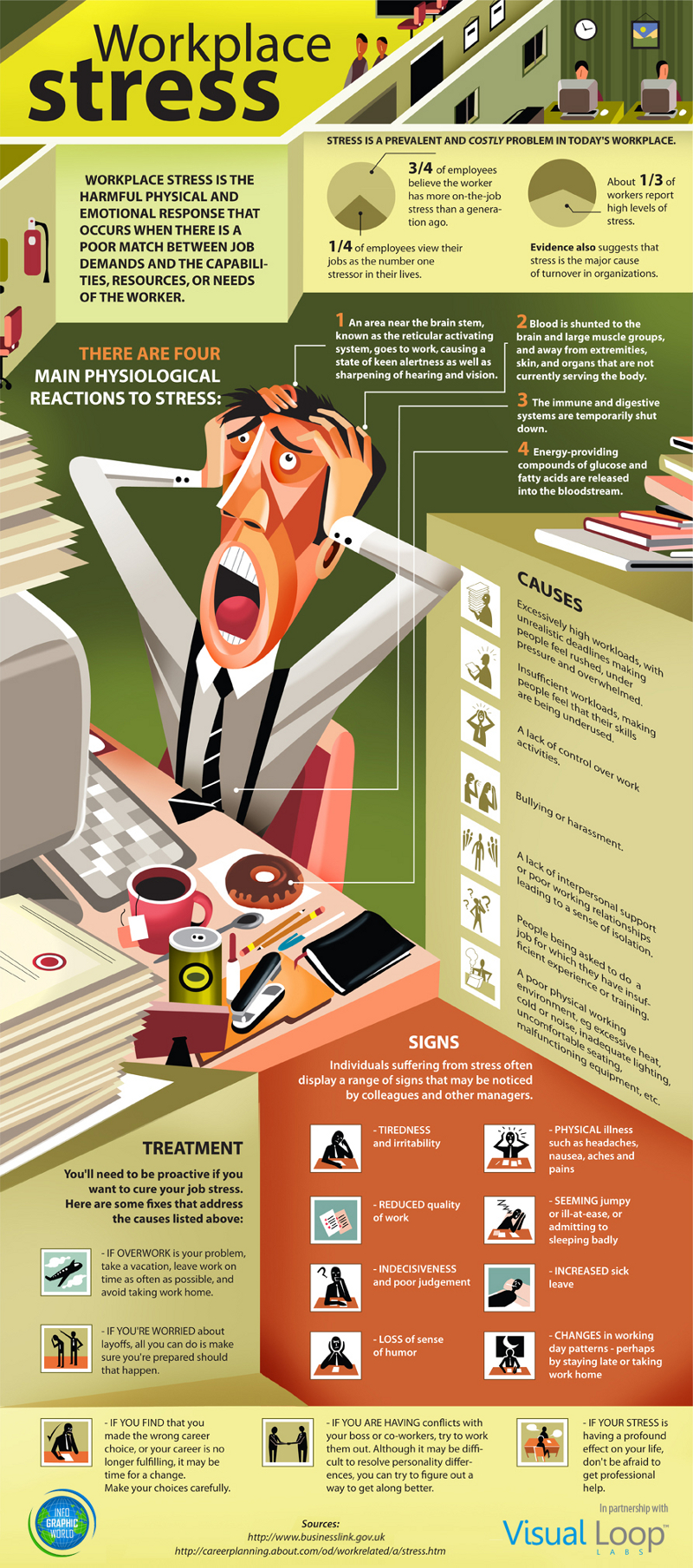
The modern workplace is particularly guilty of promoting divided attention. A survey by the American Psychological Association found that 47% of individuals report feeling overwhelmed by the amount of information they receive daily. This not only leads to stress but can also adversely affect mental health.
With the rise of technology and social media, it's easier than ever to get distracted and divided in our attention. However, by understanding the science behind divided attention, we can take steps to mitigate its negative effects and improve our focus and productivity.
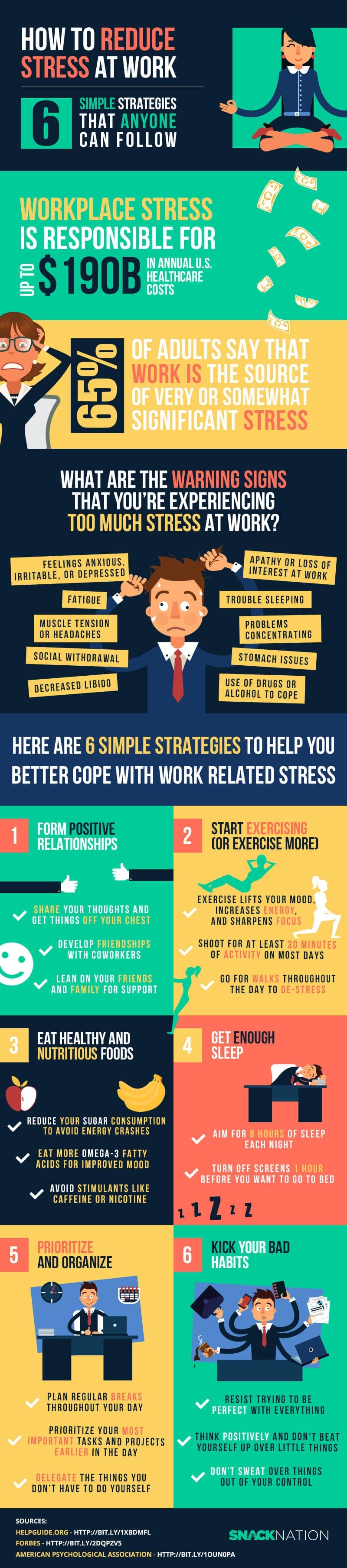
Strategies for Reducing Stress Caused by Divided Attention
So, how can we reduce stress caused by divided attention in the workplace and daily life? Here are a few strategies to get you started:
- Practice deep work**: Schedule dedicated blocks of time to focus on a single task without any distractions. This can help you stay focused and avoid the divided attention effect.
- Group similar tasks**: Grouping similar tasks together can help reduce switching costs and improve productivity. This can also help you avoid divided attention and stay focused on a single task.
- Reduce digital distractions**: Turn off notifications, log out of social media, and find other ways to minimize digital distractions that can derail your focus and productivity.
- Take breaks**: Taking regular breaks can help you recharge and avoid burnout. Use this time to do something relaxing or engaging that can help you refocus.
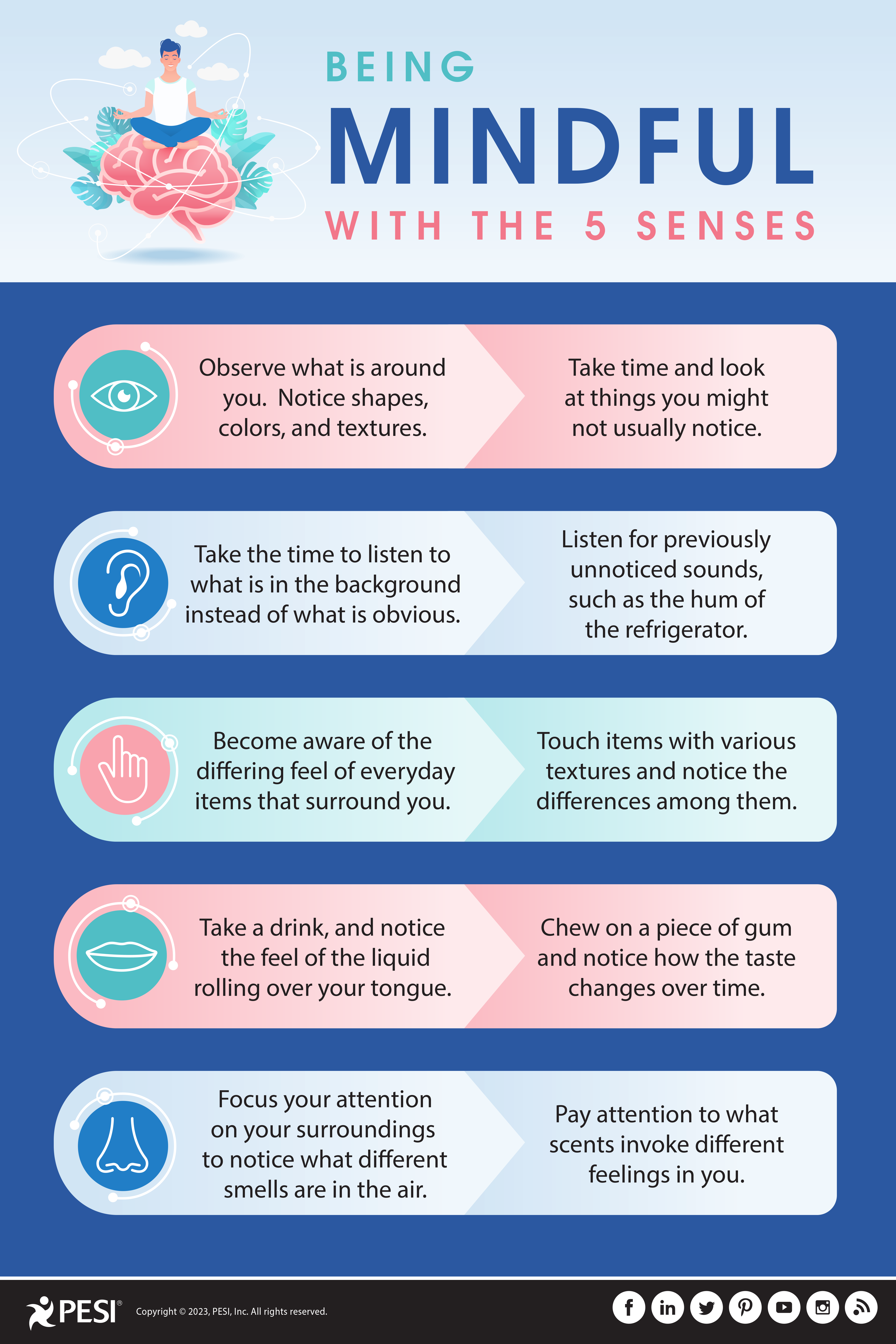
- Practice mindfulness**: Mindfulness practices, such as meditation and deep breathing, can help you stay present and focused on the task at hand.
Conclusion
Reducing stress caused by divided attention in the workplace and daily life requires a combination of understanding the science behind it and taking steps to mitigate its negative effects. By practicing deep work, grouping similar tasks, reducing digital distractions, taking breaks, and practicing mindfulness, you can improve your focus and productivity and reduce stress caused by divided attention.
References
- American Psychological Association. (2020). Stress in America: Coping with Change.
- Ames, A. D., & Kanan, C. (2016). The effects of multitasking on productivity and performance.
- Laschinger, H. K. S., & Leiter, M. P. (2011). Workload and burnout in nursing students: a systematic review.
- Miller, A. I., & Kern, R. P. (2018). The impact of multitasking on work performance.
:max_bytes(150000):strip_icc()/how-to-reduce-stress-5207327_FINAL-907db114a640431ba1e8ecbb9e81b77f.jpg "Divided Attention In Modern Life: Strategies To Improve Focus")