How to Get a Driver's License with a Disability
Obtaining a driver's license can be a vital step towards independence, especially for individuals with disabilities. However, the process can pose unique challenges. Understanding the accommodations available during driving tests and the requirements for obtaining a driver's license with a disability can help ease anxiety and lead to a successful outcome.
Driving Regulations for People with Disabilities
Each state has its own set of driving regulations for people with disabilities. These regulations cover accessibility, licensing, adaptive equipment, and more. For instance, in some states, individuals with disabilities may be eligible for special parking permits or license plates. In other states, individuals with disabilities may be required to provide proof of their disability in order to obtain a driver's license.
Applying for a Driver's License with a Disability
To apply for a driver's license with a disability, individuals must typically follow the same steps as anyone else obtaining a driver's license. However, in some cases, individuals with disabilities may be required to provide additional documentation or undergo special testing. The specific requirements will vary depending on the state in which the individual is applying.
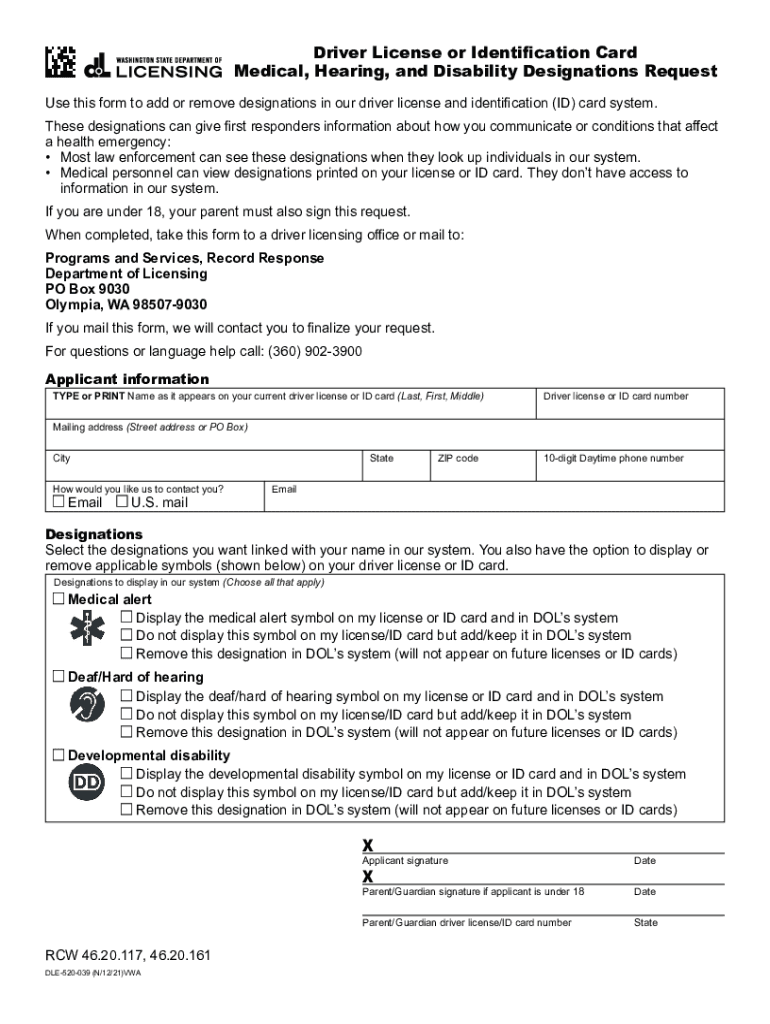
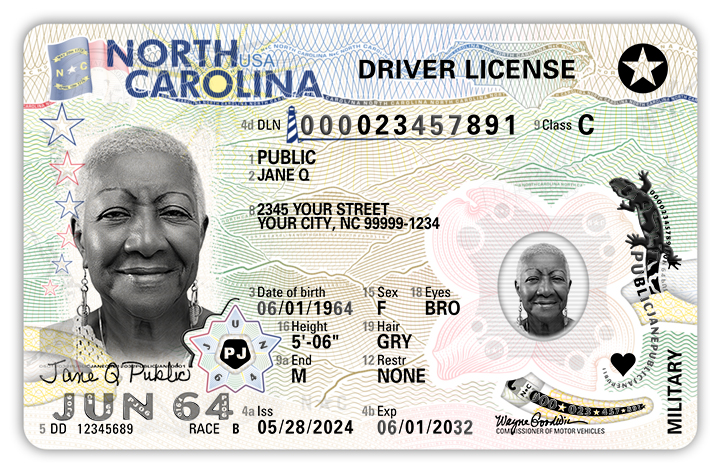
Some states offer specialized driver's licenses for individuals with disabilities, such as licenses with restrictions or special plates. These licenses may be obtained through a separate application process and may require documentation from a healthcare provider or other relevant authorities.
Accommodations for Individuals with Disabilities
Some states offer accommodations for individuals with disabilities during driving tests. These accommodations may include:
- Modified vehicles: Some states allow individuals with disabilities to drive modified vehicles, such as vehicles with hand controls or adaptive seating.
- Assistive technology: States may provide assistive technology, such as eye tracking systems or other adaptive devices, to help individuals with disabilities pass their driving tests.
- Extended testing time: Some states allow individuals with disabilities to take additional time to complete their driving tests, if needed.
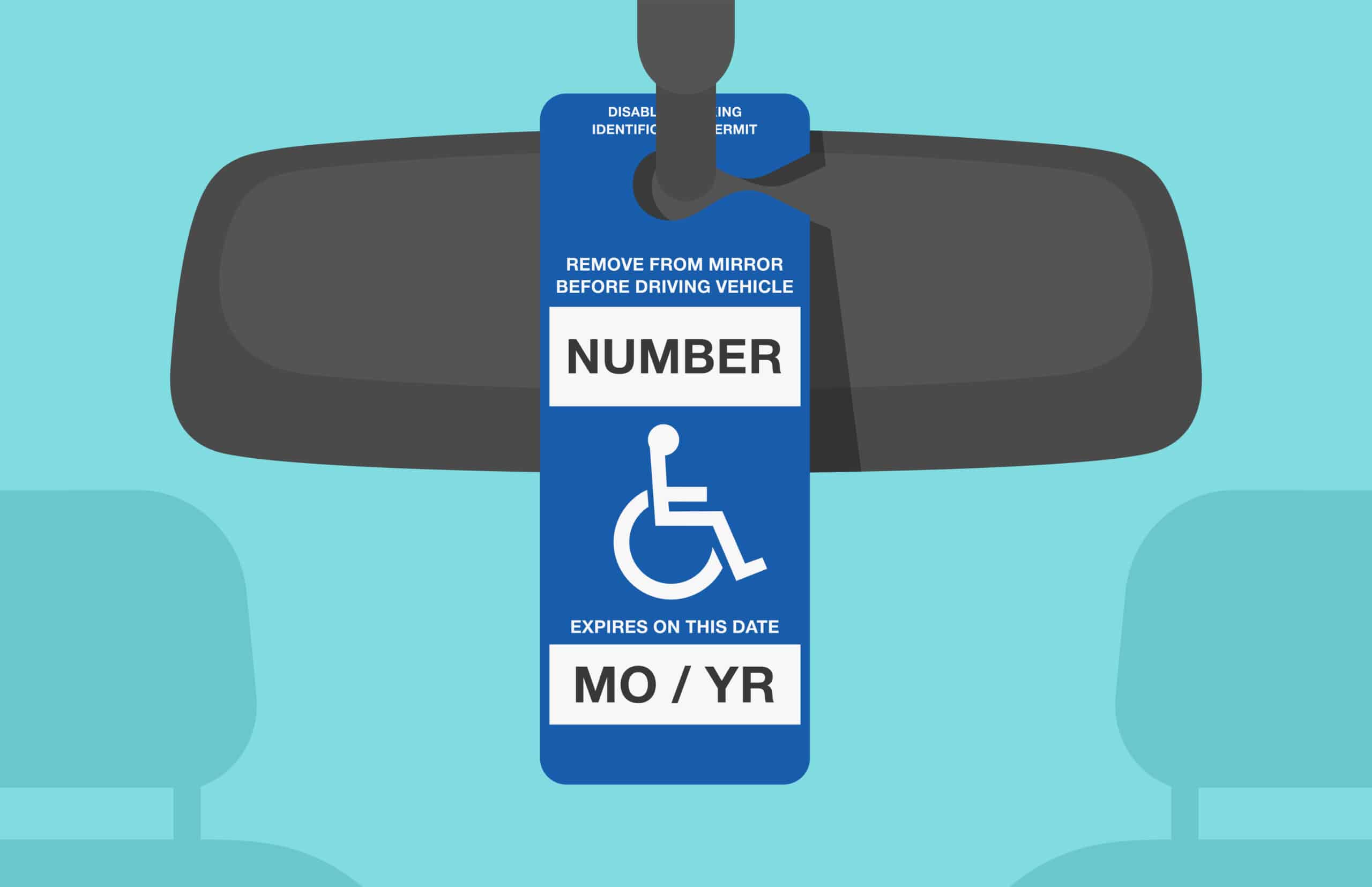
Obtaining a Disability Parking Permit or License Plate
Eligibility and Requirements
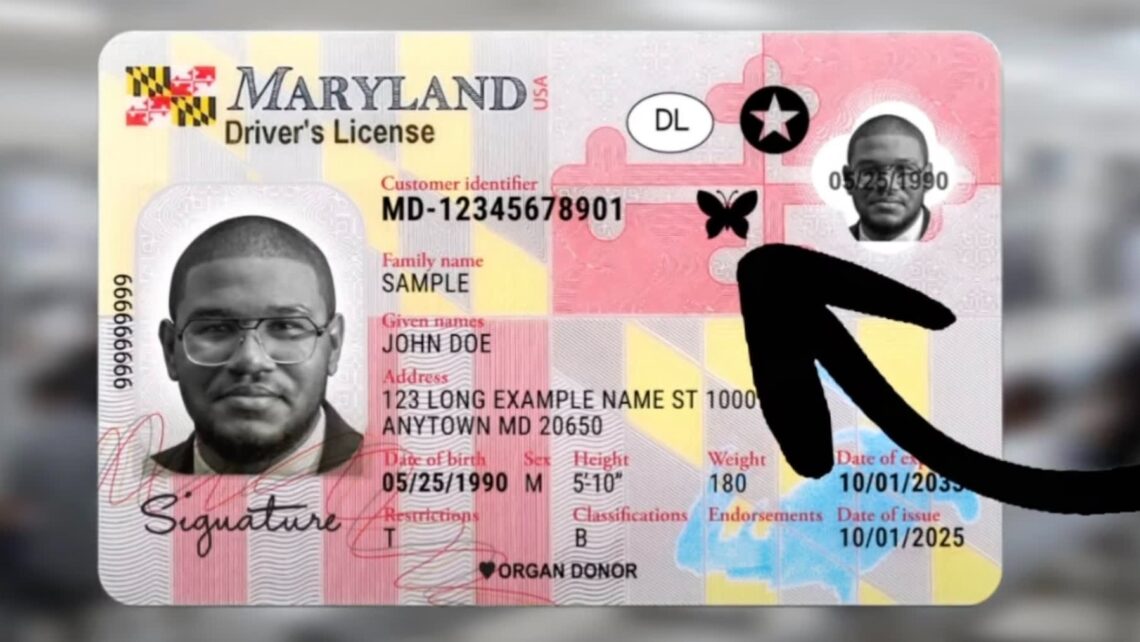
To obtain a disability parking permit or license plate, individuals typically must provide documentation of their disability. This documentation may include:
- Medical certifications: Healthcare providers must provide a written certification of the individual's disability, stating the nature and extent of the disability.
- Disability certification: States may require a disability certification, which is typically issued by a healthcare provider or other relevant authority.
- Proof of residency: Individuals must provide proof of residency in the state in which they are applying.
How to Apply
To apply for a disability parking permit or license plate, individuals typically must follow these steps:
- Obtain a disability certification from their healthcare provider or other relevant authority.
- Submit the certification and proof of residency to the state's department of motor vehicles (DMV) or equivalent agency.
- Pay any required fees.
Maintaining a Disability Parking Permit or License Plate
Renewal and Replacement
Disability parking permits and licenses are typically valid for a limited period of time, typically between 2-5 years. To maintain their permit or license, individuals must renew it before the expiration date. If the permit or license is lost or stolen, individuals may apply for a replacement.