The Alarming Link Between FOMO and Social Anxiety: What You Need to Know
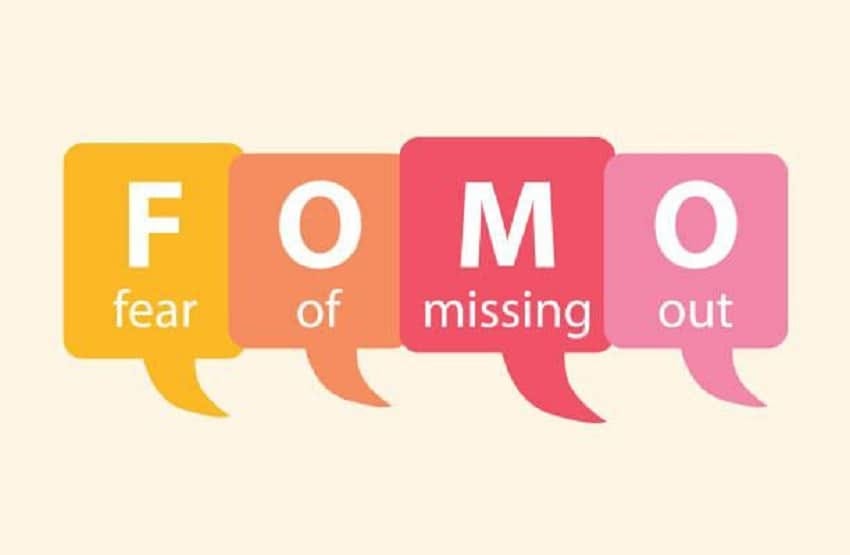
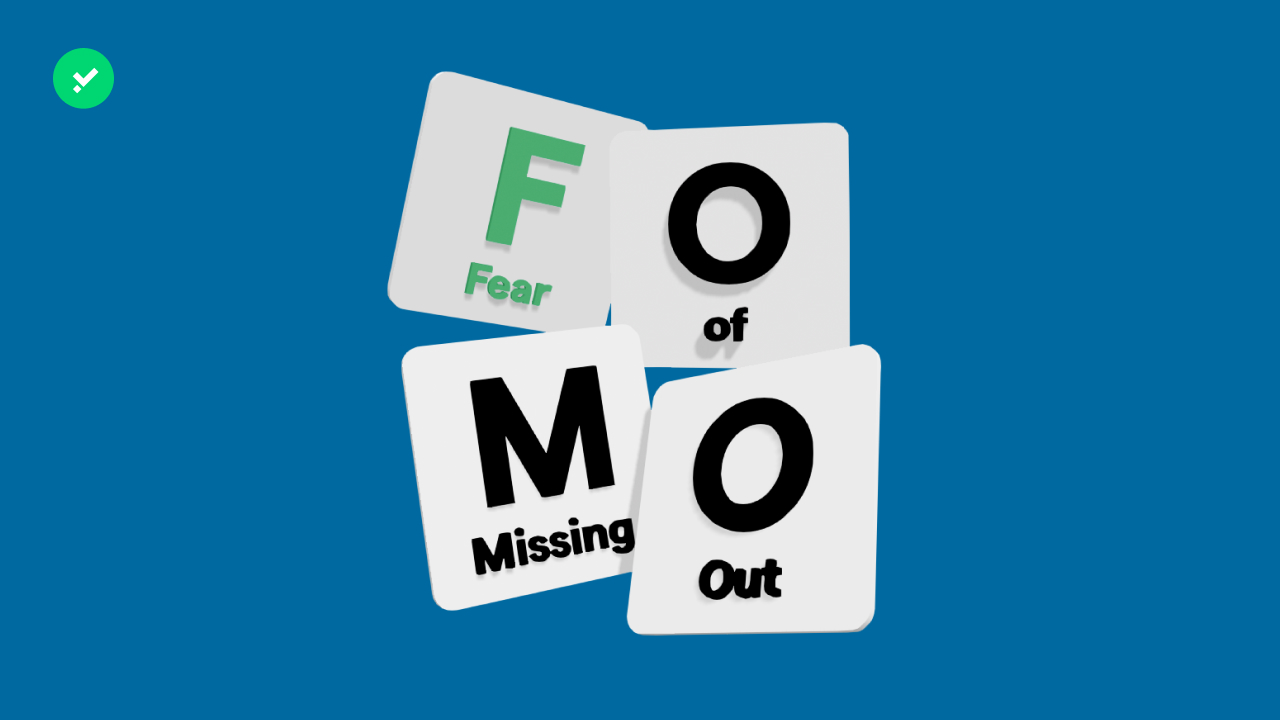
With the prevalence of social media, it's become increasingly common to experience that sinking feeling when we feel like we're missing out on events, opportunities, or social interactions that others are a part of. This phenomenon has a name: FOMO, or the fear of missing out. But FOMO isn't just a minor annoyance; it has a significant impact on our mental health, particularly for individuals with social anxiety.
What is FOMO, and How Does it Relate to Social Anxiety?
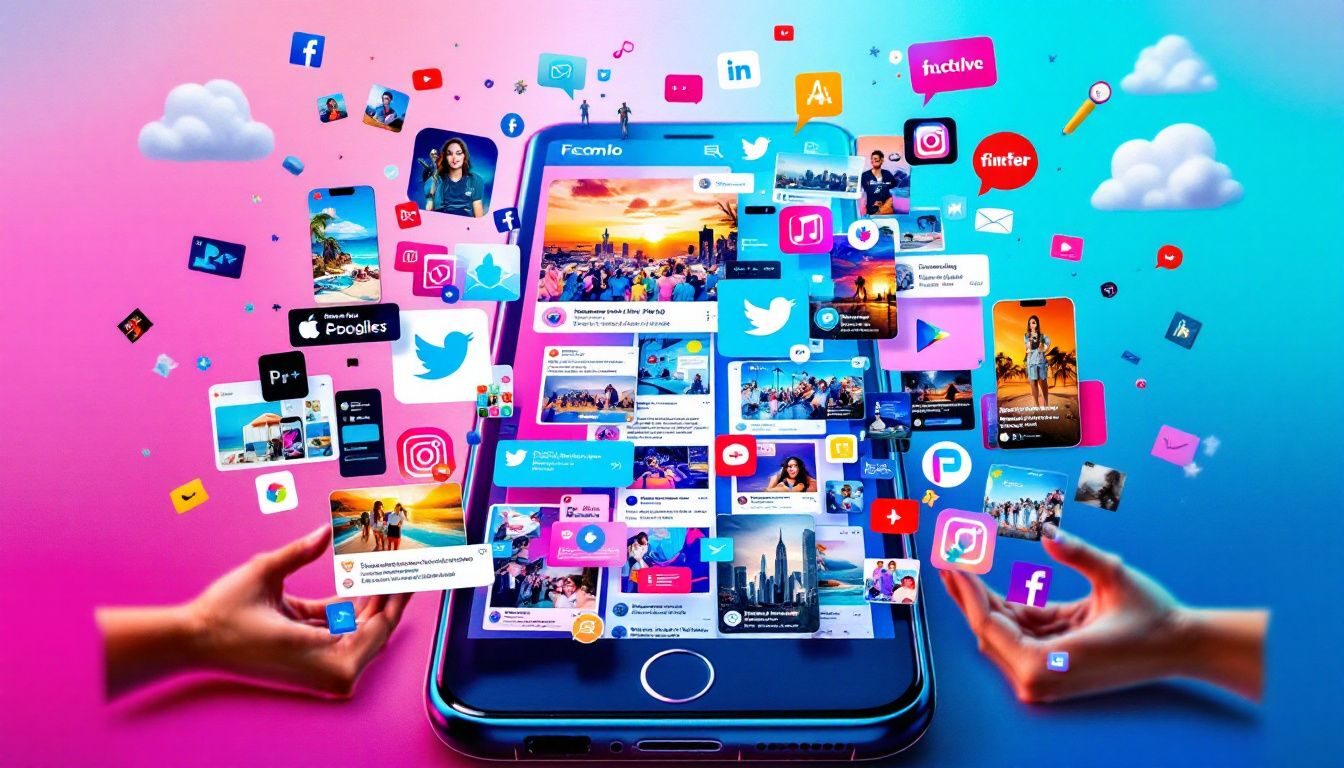
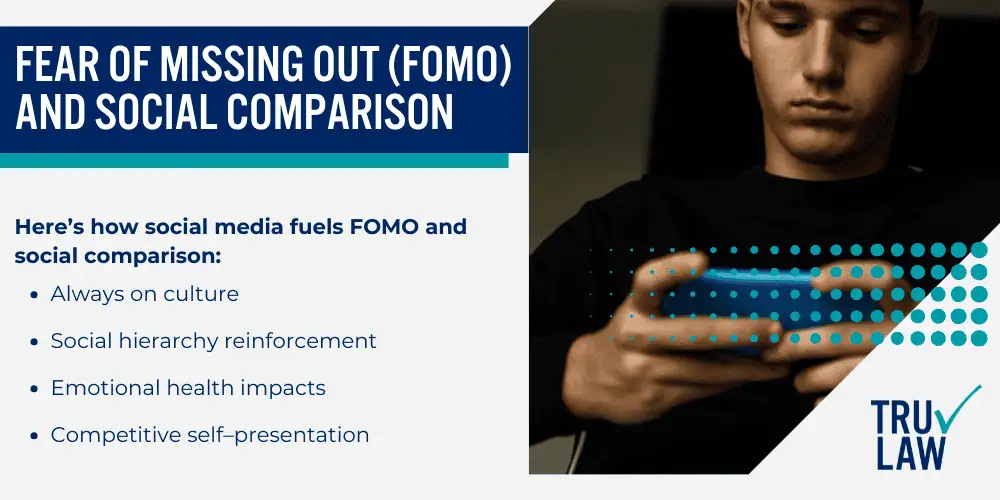
FOMO is the anxiety or unease we feel when we believe we're missing out on rewarding experiences that others are having. Social media plays a significant role in amplifying FOMO by showcasing curated highlights of other people's lives, making us feel like we're not good enough or that we're missing out on the fun. For individuals with social anxiety, this can be especially devastating, as they may already struggle with feelings of inadequacy and fear of social judgment.
The Psychology Behind FOMO and Social Anxiety
Research has shown that individuals with social anxiety may perceive themselves as lacking social skills or fear judgment from others, leading to a constant state of apprehension in social situations. The fear of missing out can be viewed as a manifestation of social anxiety, as it amplifies concerns about not being present for significant social events. This can lead to a vicious cycle of anxiety, comparison, and social withdrawal.
How Does FOMO Affect Mental Health?
- Excessive social media use can trigger feelings of inadequacy, dissatisfaction, and isolation, worsening symptoms of depression, anxiety, and stress.
- FOMO can lead to compulsive behaviors, such as constantly checking and refreshing social media sites, to maintain social connections.
- Individuals with social anxiety may experience a heightened sense of anxiety when they perceive themselves as missing out on social events or experiences.
- Long-term FOMO can lead to feelings of burnout, decreased self-esteem, and increased risk of mental health issues.
Breaking the Cycle of FOMO and Social Anxiety
While FOMO and social anxiety can feel overwhelming, there are strategies to help you cope with the feelings of anxiety and break the cycle:
- Practice self-compassion and acknowledge that everyone experiences FOMO and social anxiety.
- Take breaks from social media and engage in activities that bring you joy and fulfillment.
- Focus on building meaningful relationships and connections with others, rather than trying to compare or compete.
- Seek professional help and support if you're struggling with social anxiety or FOMO.
Conclusion
While FOMO is a widespread phenomenon, it's essential to recognize its impact on mental health, particularly for individuals with social anxiety. By understanding the underlying psychology and mechanisms driving FOMO, we can begin to break the cycle and cultivate a healthier relationship with social media and social interactions.
So, the next time you feel like you're missing out, remember that you're not alone. Remember that everyone experiences FOMO, and it's okay to take a step back and prioritize your own well-being.

.png "The Psychology Behind FOMO (Fear of Missing Out) - Cerebral")