Uncovering the Secrets to Improving Attention Span in Class
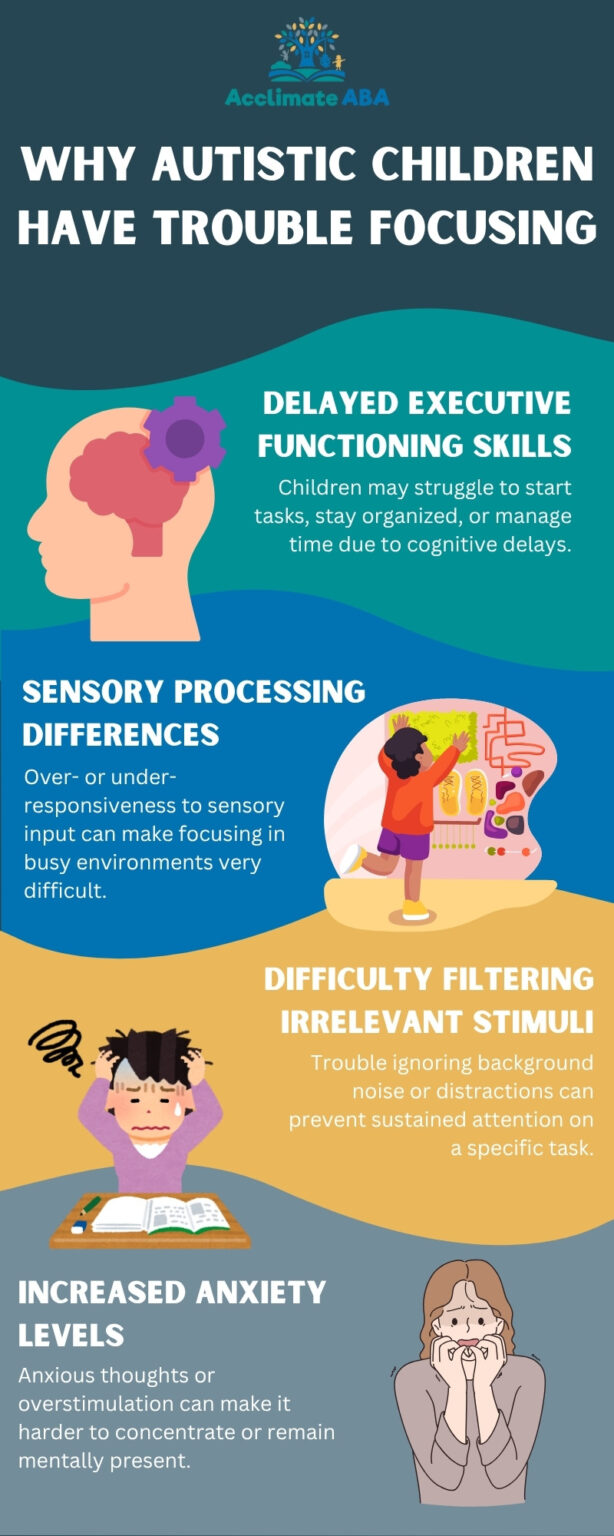
As educators, we've all been there - watching our students struggle to focus during lessons, their minds wandering off to distractions outside the classroom. But why is attention span in class a persistent challenge, and what can we do to help our students overcome it?
The Importance of Attention Span in Class
Attention span refers to the ability to concentrate on a task or activity for a certain period. In the classroom, it's crucial for students to be able to focus on lessons, absorb information, and engage with the material. Research shows that students with shorter attention spans are more likely to struggle with academic success, as they may find it difficult to complete tasks, participate in class discussions, and retain information.
Why Attention Span Matters
- Improved academic performance: Students with longer attention spans tend to perform better academically, as they can focus on tasks and retain information more effectively.
- Enhanced engagement: When students are able to focus on lessons, they're more likely to participate in class discussions, ask questions, and engage with the material.
- Reduced distractions: Students with longer attention spans are less likely to get distracted by their surroundings, leading to a more productive learning environment.
7 Effective Strategies to Improve Attention Span in Class
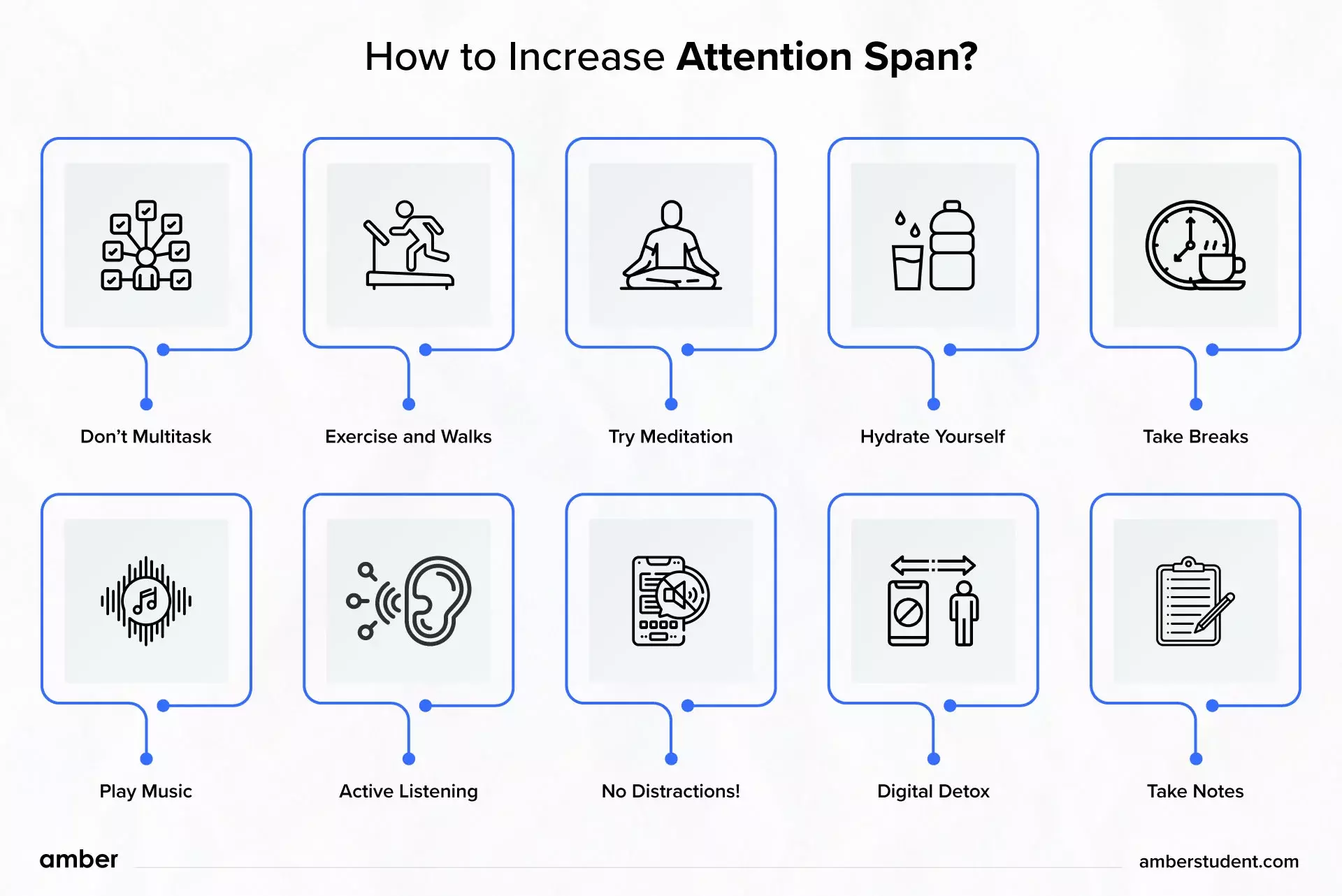
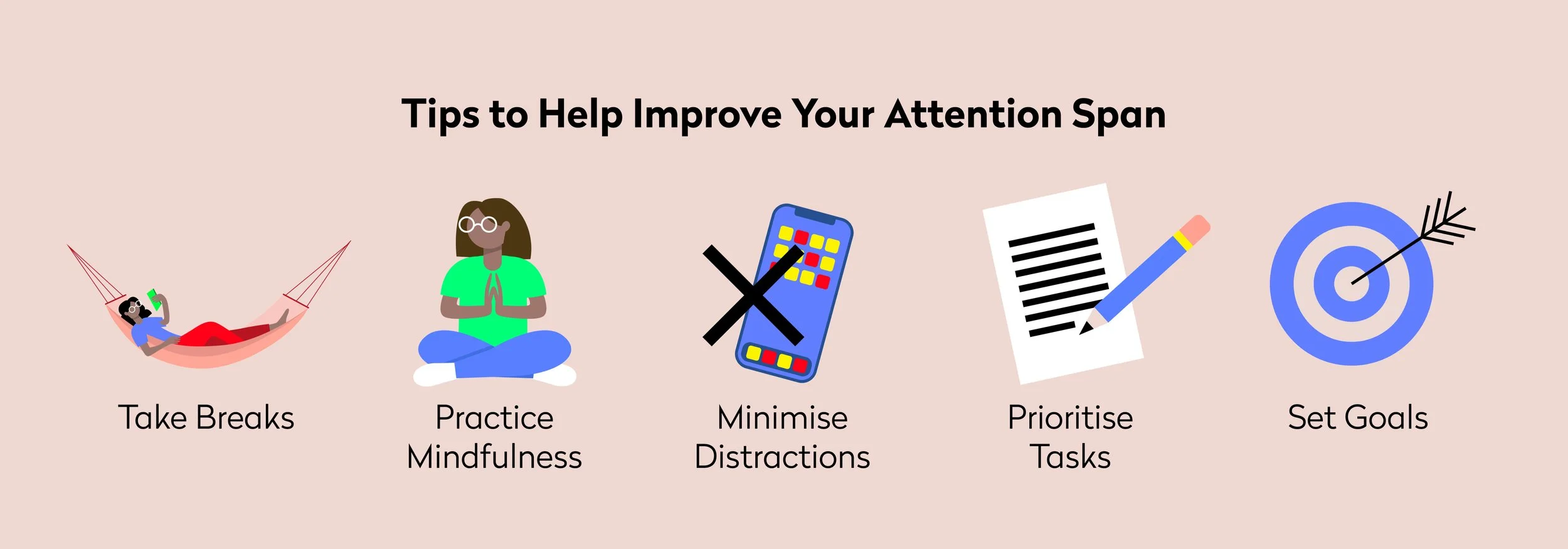
Fortunately, there are several strategies that can help improve attention span in class. Here are seven effective techniques to get you started:
1. Create a Distraction-Free Study Space
Encourage students to create a dedicated study space that's free from distractions. This could be a quiet corner in the library, a designated study area in the classroom, or even a quiet room at home.
2. Use Mindfulness Practices
Mindfulness practices such as meditation and deep breathing can help students calm their minds and focus on the task at hand.
3. Incorporate Movement and Exercise
Regular physical activity can help improve attention span by increasing blood flow to the brain and reducing stress levels.

4. Break Down Tasks into Smaller Chunks
Large tasks can be overwhelming, leading to decreased attention span. Break down tasks into smaller, manageable chunks, and encourage students to focus on one chunk at a time.
5. Use Visual Aids and Interactive Tools
Visual aids such as diagrams, charts, and videos can help students engage with complex information and retain it more effectively.
6. Encourage Student Reflection and Self-Assessment
Encourage students to reflect on their own learning, set goals, and assess their progress. This can help them develop a growth mindset and improve their attention span.
7. Provide Positive Reinforcement and Feedback
Positive reinforcement and feedback can help students stay motivated and focused on their tasks. Celebrate their successes, and provide constructive feedback to help them improve.
Conclusion
Improving attention span in class requires a multifaceted approach, blending mindfulness practices, effective study techniques, and adjustments to the learning environment. By incorporating these strategies into your teaching practice, you can help your students develop the skills necessary for academic success and personal growth.
Final Thoughts
Attention span is a skill that can be developed with practice and dedication. By working together with your students, you can help them overcome distractions, build focus, and achieve their full potential.