Entrepreneurial Risk Management: A Crucial Component of Business Success
In the fast-paced world of entrepreneurship, Entrepreneurial Risk Management stands as a cornerstone for sustainable success. As entrepreneurs navigate the inherent uncertainties of the business world, effective risk management becomes a crucial aspect of achieving success and overcoming business uncertainties.
Understanding Entrepreneurial Risk Management
Entrepreneurial Risk Management (ERM) refers to the systematic process of identifying, assessing, and controlling potential threats that could negatively impact a business's operations, finances, or reputation. This includes understanding the various types of risks entrepreneurs face, such as market risk, financial risk, operational risk, legal risk, and reputational risk.
Types of Risks in Entrepreneurship
- Market Risk: Refers to the potential losses or gains due to changes in market conditions, such as fluctuations in demand or supply.
- Financial Risk: Includes risks related to liquidity, credit, and other financial instruments.
- Operational Risk: Refers to the potential losses or disruptions caused by internal processes, systems, or external factors.
- Legal Risk: Includes risks related to compliance, contracts, and other legal agreements.
- Reputational Risk: Refers to the potential damage to a company's reputation due to negative publicity or other external factors.
Strategies for Effective Entrepreneurial Risk Management
Effective Entrepreneurial Risk Management requires a proactive approach, including:

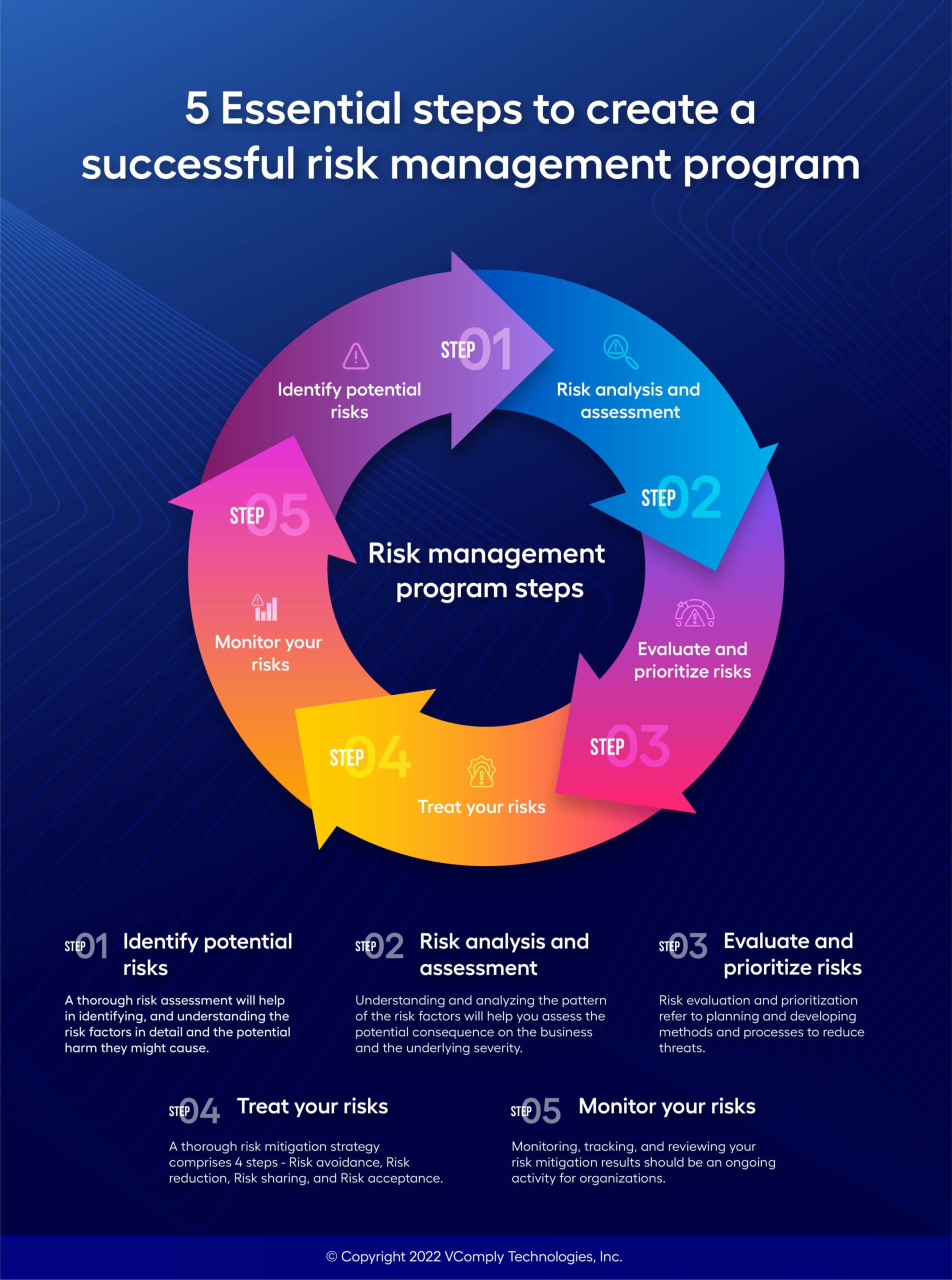
- Risk Assessment Tools: Utilizing tools such as SWOT analysis, risk registers, financial modeling, and scenario planning to identify and assess potential risks.
- Mitigation Techniques: Developing strategies to mitigate risks, such as diversification, hedging, and contingency planning.
- Risk Monitoring and Reviewing: Regularly reviewing and updating risk assessments to ensure that risks are being effectively managed.
Benefits of Entrepreneurial Risk Management
Effective Entrepreneurial Risk Management can provide numerous benefits, including:
- Increased Confidence: By understanding and managing risks, entrepreneurs can make more informed decisions and reduce uncertainty.
- Improved Resilience: Risk management can help businesses adapt to changing market conditions and external factors.
- Enhanced Reputation: Proactive risk management can demonstrate a company's commitment to responsible and sustainable business practices.
Conclusion
Entrepreneurial Risk Management is a critical component of business success. By understanding the various types of risks entrepreneurs face and developing effective strategies for managing these risks, businesses can reduce uncertainty, increase confidence, and improve resilience. As entrepreneurs continue to navigate the ever-evolving landscape of entrepreneurship, effective risk management will remain a crucial aspect of achieving success and overcoming business uncertainties.






%20(1).png "Entrepreneurial Risk Management | Springer Nature Link")