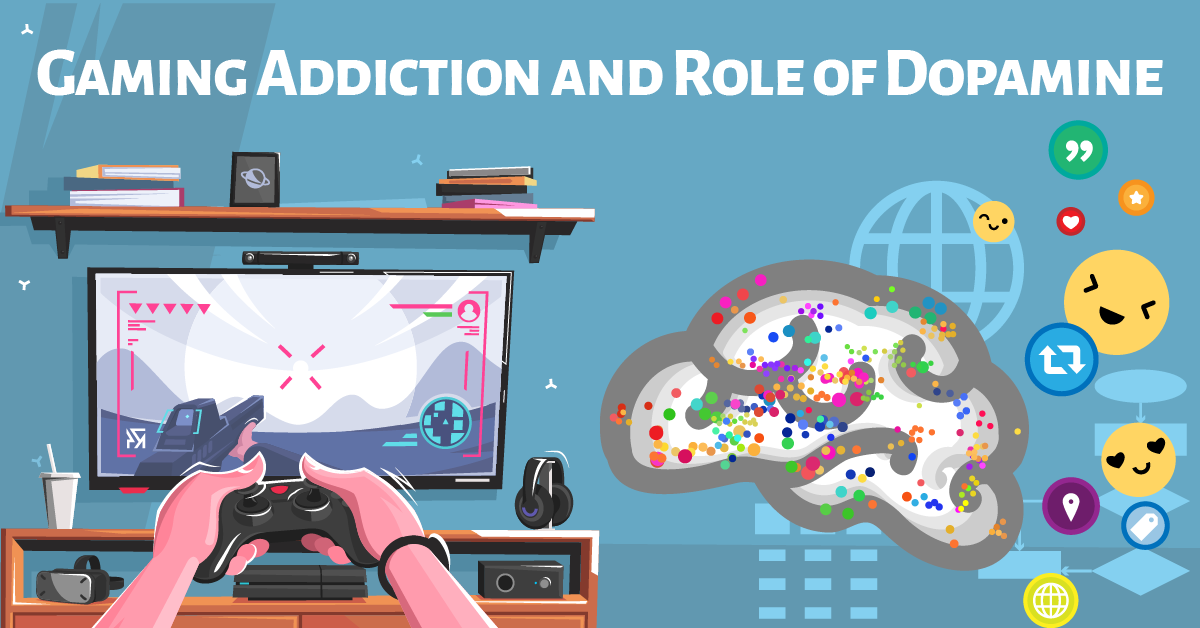
Dopamine Loop and Stress: The Hidden Connection
Stress is an inevitable part of modern life, and it's not just physical tension, but a complex interplay of emotions and biochemical responses that can affect our mental and emotional well-being. One crucial player in this response is dopamine, a neurotransmitter that regulates reward, motivation, and pleasure. The dopamine loop and stress connection is intricate, and understanding it can help us develop effective strategies to manage stress and achieve a better work-life balance.
The Relationship Between Stress and Dopamine
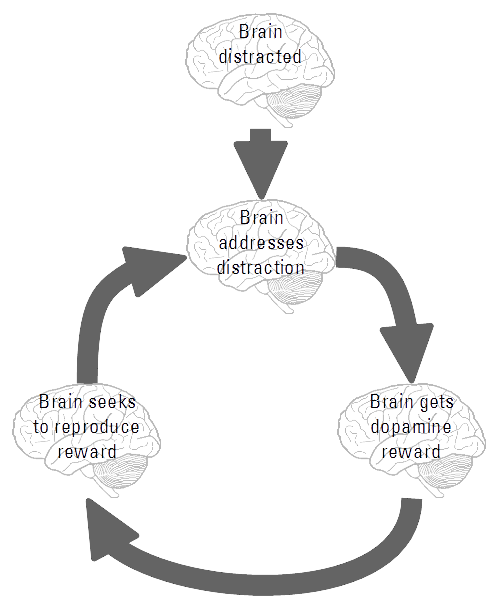
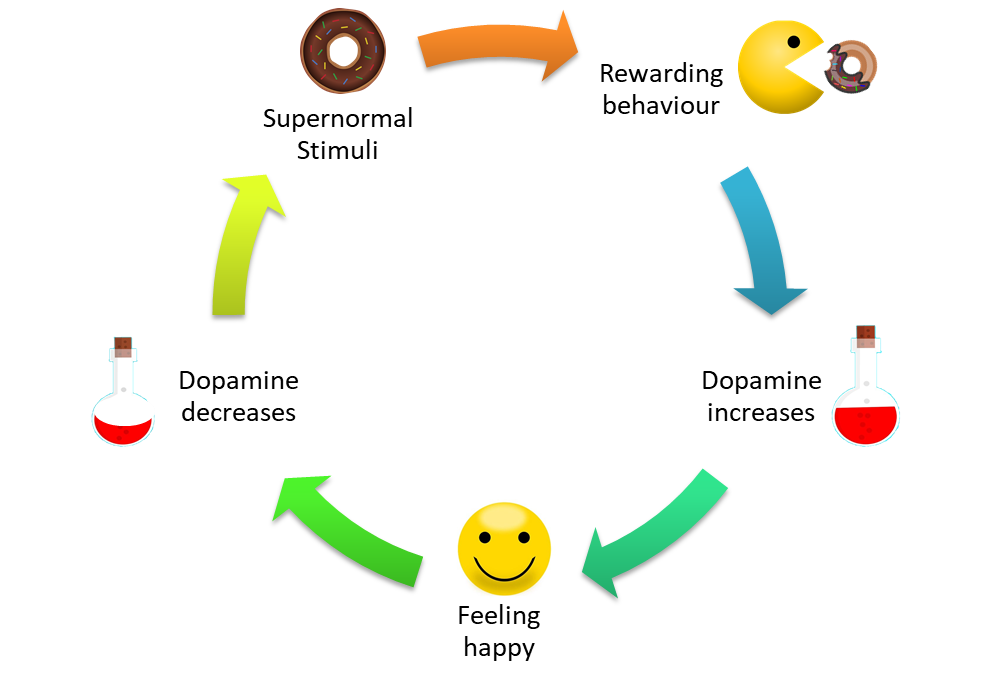
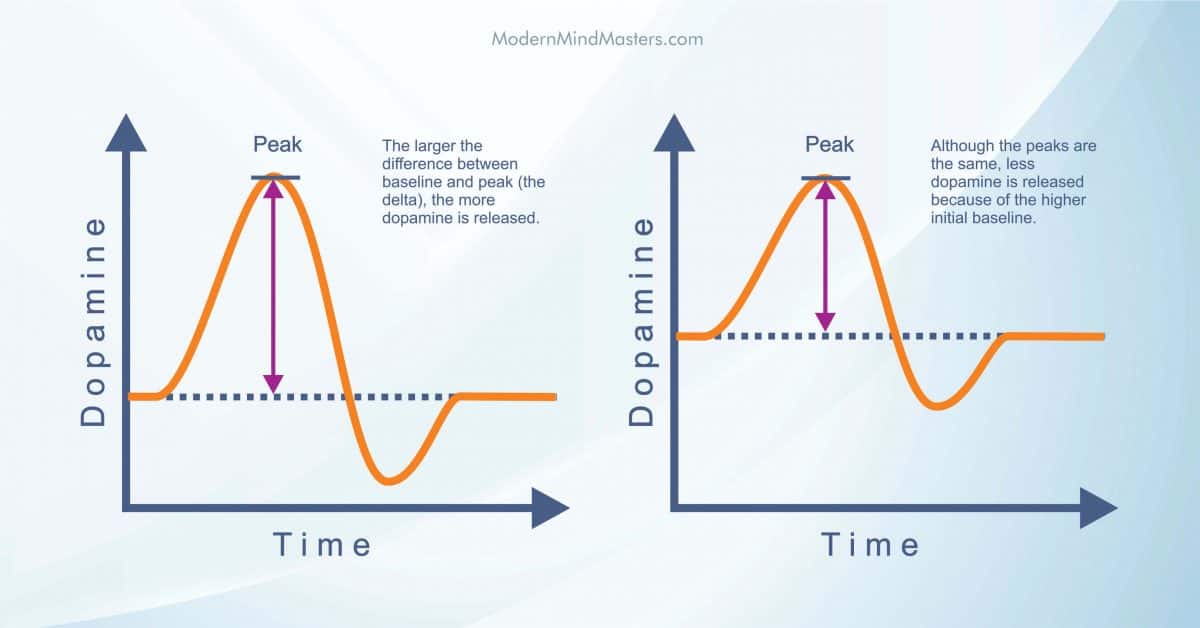
Stress triggers the release of cortisol, the primary stress hormone produced by the adrenal glands. Cortisol has a profound impact on dopamine levels, as cortisol stimulates the release of dopamine, which in turn can lead to a sense of pleasure and relief. This positive feedback loop can create a vicious cycle, where we experience a temporary boost from dopamine, only to be stressed again and seek another fix.
How Chronic Stress Impacts Dopamine
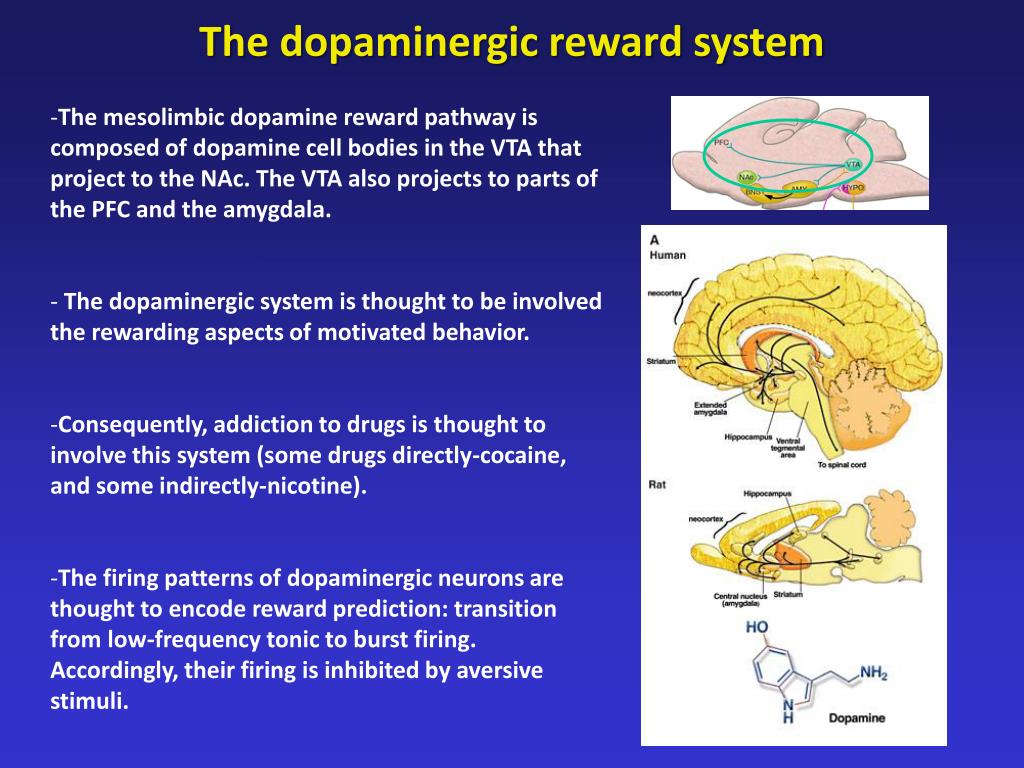
Chronic stress can disrupt dopamine production and function, leading to lower levels of the neurotransmitter. This can result in symptoms such as fatigue, irritability, and mood swings. Additionally, chronic stress can alter the structure and function of the mesolimbic dopamine system, leading to an increased sensitivity to stressors and decreased motivation.
The Dopamine Loop in Observations of Behavior
Studies have shown that chronic stress can lead to a vicious cycle of observing behaviors that perpetuate stress. For example, research has found that individuals who experience chronic stress are more likely to engage in unhealthy habits, such as overeating or excessive screen time. This cycle can be attributed to the dopamine loop, where the brain craves immediate gratification and relief, rather than seeking sustainable solutions to stress.
The Role of Dopamine in Stress and Addiction
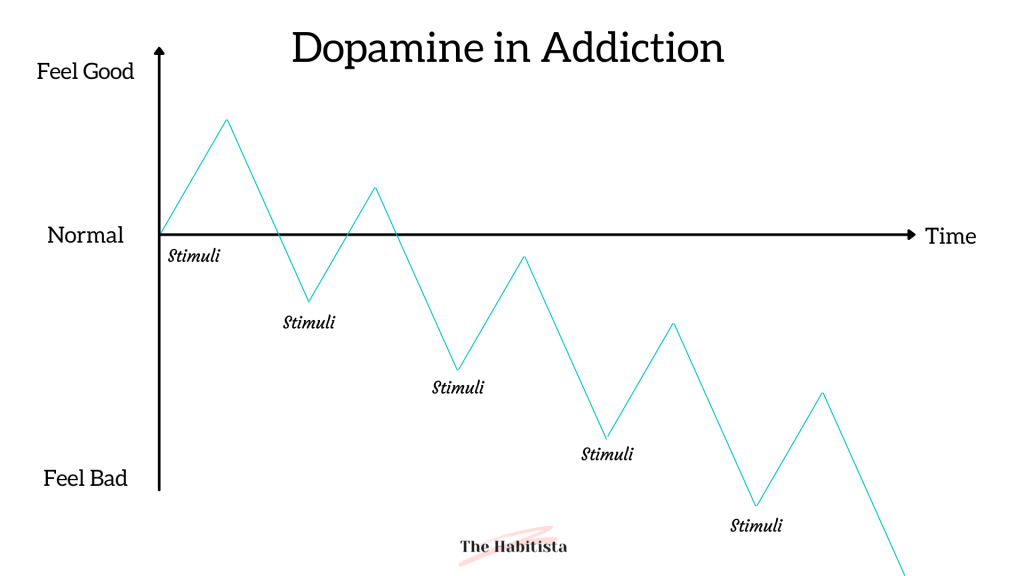
Dopamine plays a crucial role in the development and maintenance of addiction. This is because the brain's reward system is constantly seeking novelty and pleasure, which can be achieved through addictive behaviors such as substance use or social media consumption. The dopamine loop can create a pattern of repeated engagement, with the brain constantly seeking the next reward.
Breaking the Dopamine Loop
To break the dopamine loop, it's essential to engage in stress-reducing activities that promote relaxation and self-care. This can include practices such as meditation, deep breathing exercises, or yoga, which can help regulate dopamine levels and reduce stress. Additionally, setting boundaries and prioritizing self-care activities can help interrupt the cycle of stress and substance use or other unhealthy behaviors.

Conclusion
The connection between dopamine and stress is complex, but understanding it can help us develop effective strategies to manage stress and achieve a better work-life balance. By recognizing the role of dopamine in stress and addiction, we can break the cycle of instant gratification and seek sustainable solutions to stress. By prioritizing self-care, relaxation, and stress-reducing activities, we can restore balance to our lives and improve our mental and emotional well-being.
Strategies for Managing Stress and Dopamine Levels
1. Practice Relaxation Techniques
Engage in activities such as deep breathing exercises, meditation, or yoga to help regulate dopamine levels and reduce stress.
2. Prioritize Self-Care
Set boundaries and prioritize activities that promote relaxation and self-care, such as reading, spending time in nature, or engaging in hobbies.
3. Challenge Stress
Regularly challenge stress by re-evaluating habits and behaviors that perpetuate stress and exploring healthy alternatives.
4. Seek Professional Help
Consult with a healthcare professional if experiencing chronic stress or addiction to develop a personalized plan for managing stress and improving mental health.