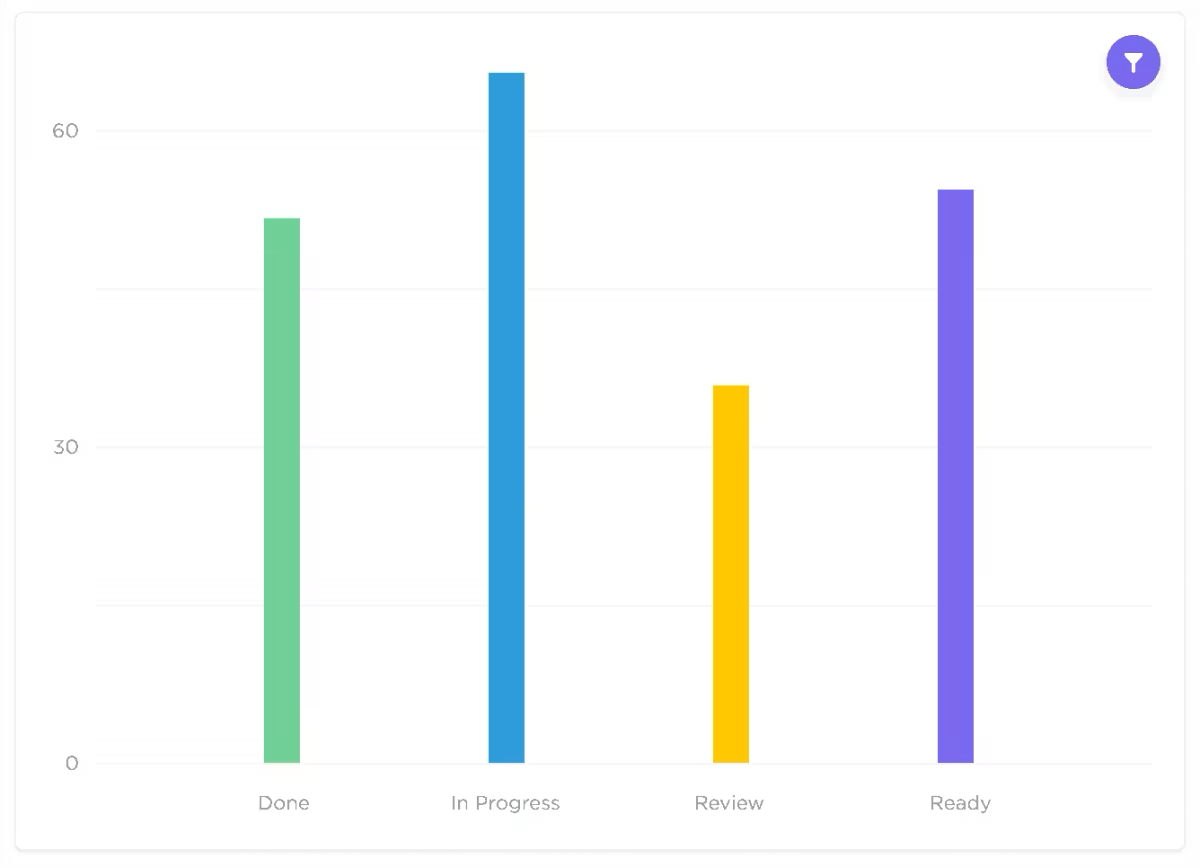
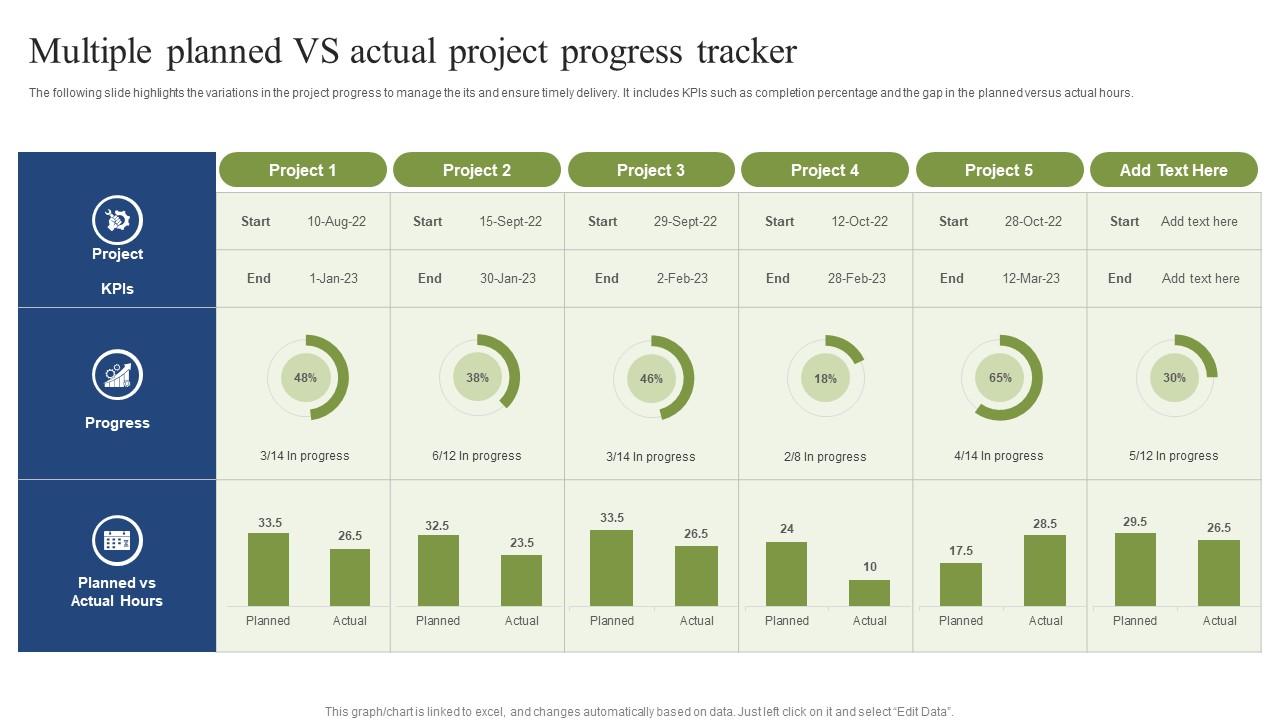
Business Progress Tracking: The Key to Unlocking Business Success
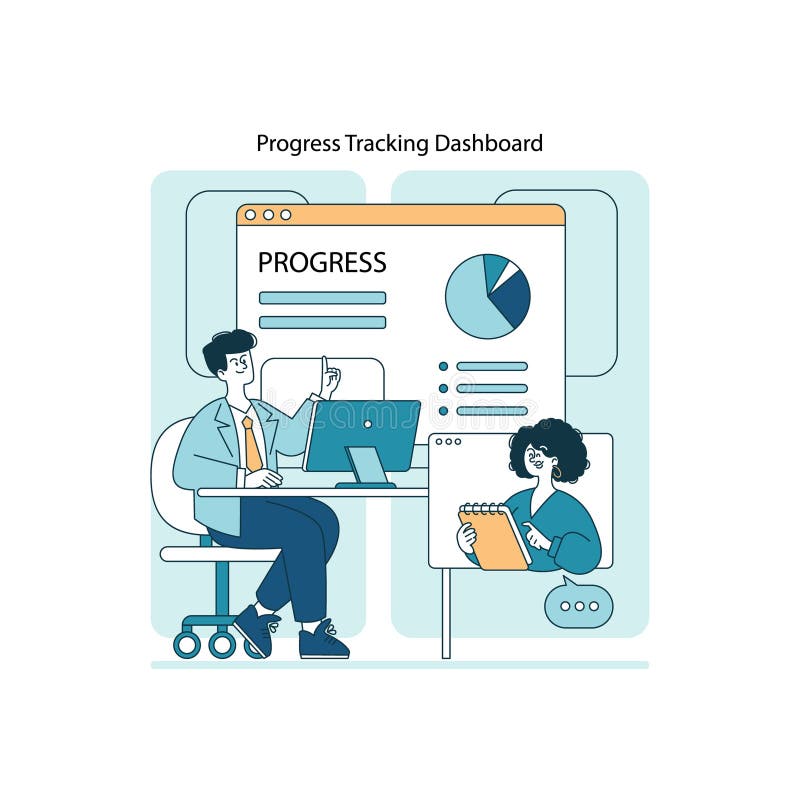
In today's fast-paced business environment, knowing how to track progress effectively is crucial for achieving success. Whether you're managing a project, leading a team, or working towards personal goals, measuring progress provides valuable insights into your performance and helps you stay on course. In this article, we'll explore the importance of business progress tracking, discuss the benefits of using project tracking software, and provide tips on how to measure and analyze your business progress.
The Importance of Business Progress Tracking
Business progress tracking refers to the systematic process of monitoring and measuring the performance of tasks, projects, or initiatives against established goals and timelines. This process helps businesses stay on track, identify areas for improvement, and make data-driven decisions to achieve their goals. By tracking progress, businesses can:
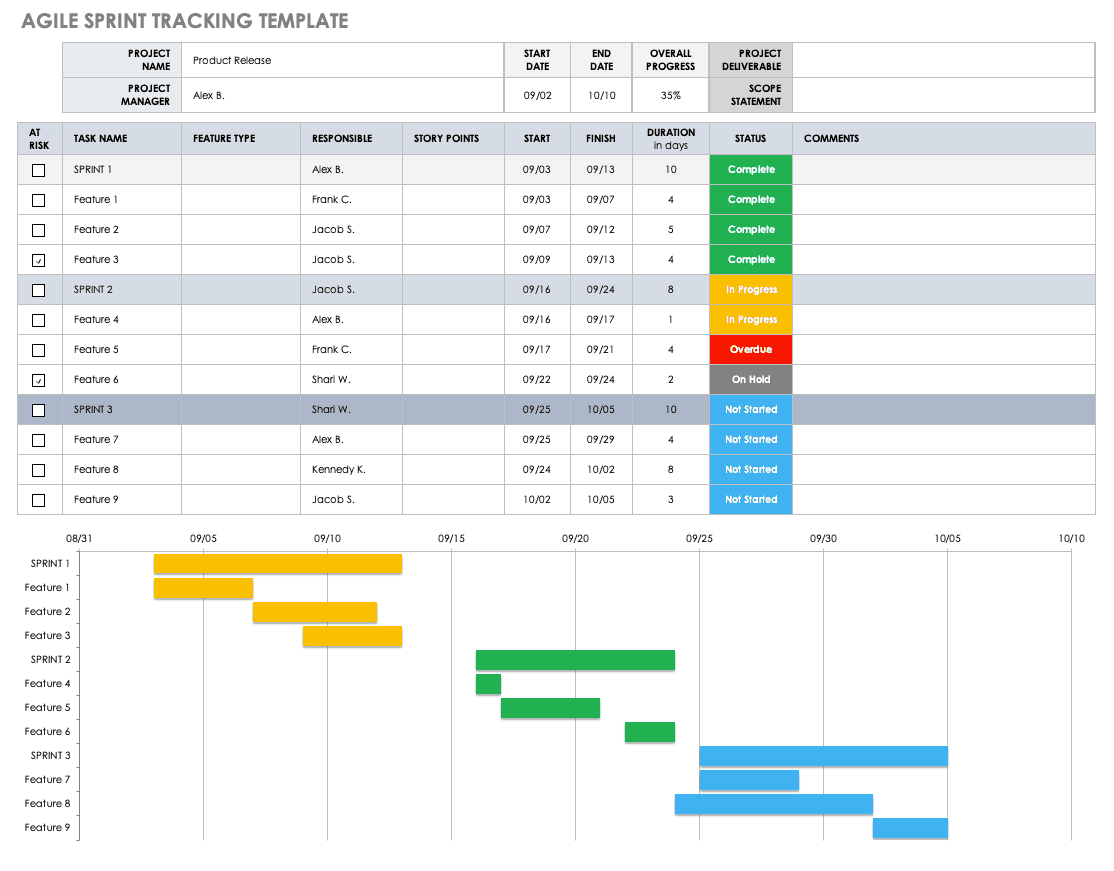
- Monitor project milestones and deadlines
- Identify potential roadblocks and bottlenecks
- Adjust strategies and tactics to stay on track
- Measure the success of company objectives
- Make informed decisions based on data-driven insights
Benefits of Using Project Tracking Software
Project tracking software provides a range of benefits, including:
- Improved visibility and transparency
- Enhanced collaboration and communication
- Increased efficiency and productivity
- Reduced costs and errors
- Better decision-making
Some popular project tracking software includes Asana, Trello, Microsoft Project, and Basecamp. These tools offer a range of features, including task management, project timelines, and reporting capabilities.
Measuring and Analyzing Business Progress
To measure and analyze business progress, businesses can use a range of strategies, including:
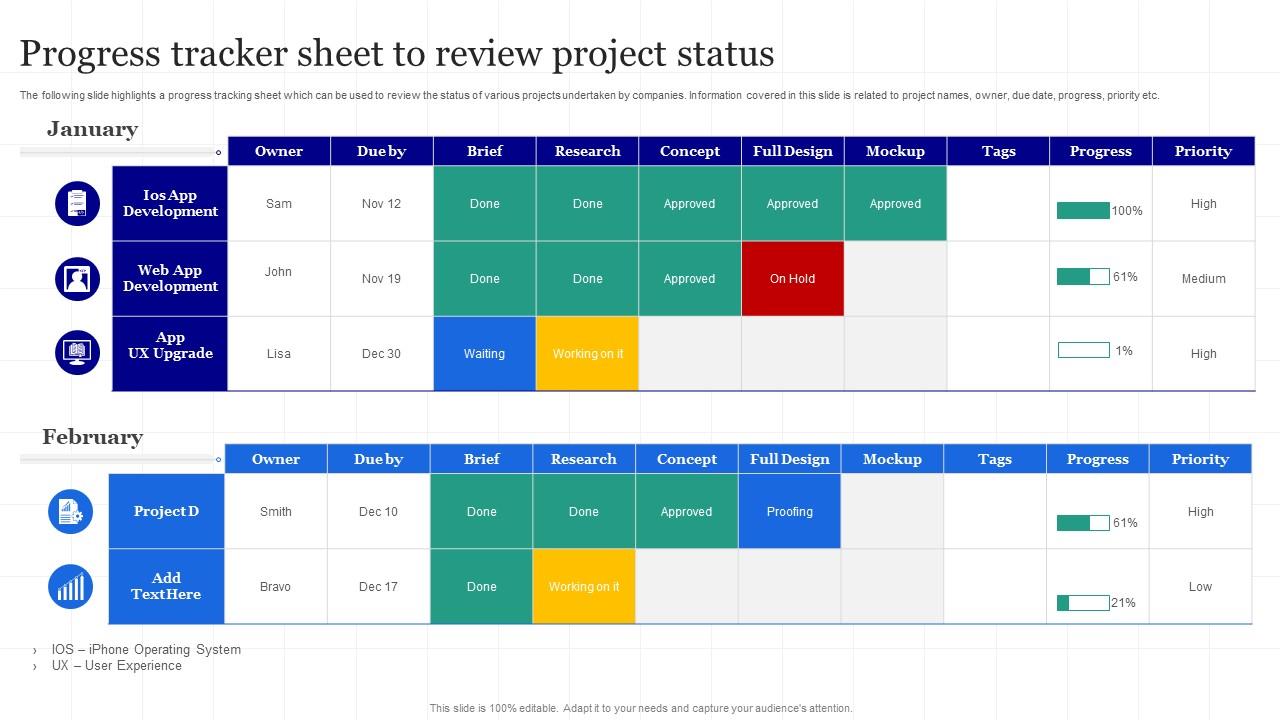
- Setting clear and measurable goals
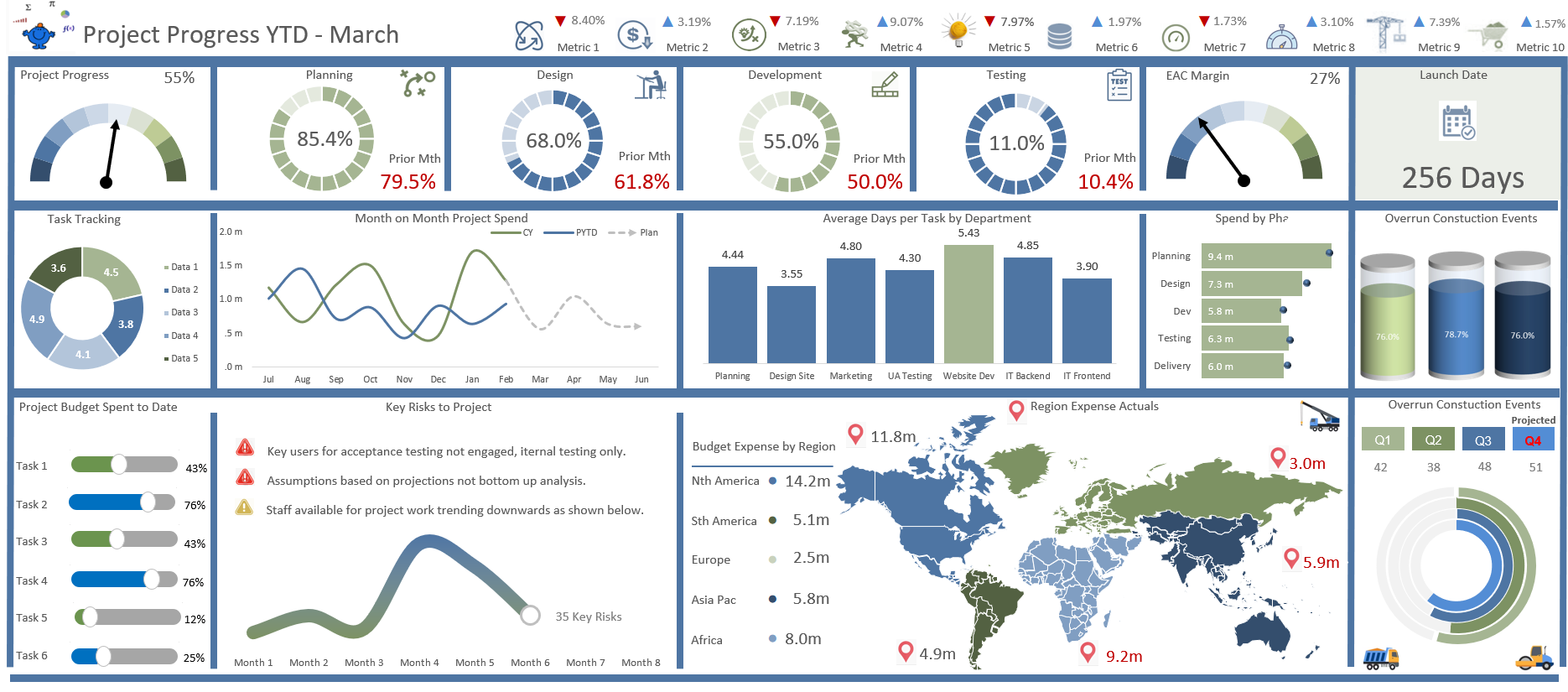
- Establishing key performance indicators (KPIs)
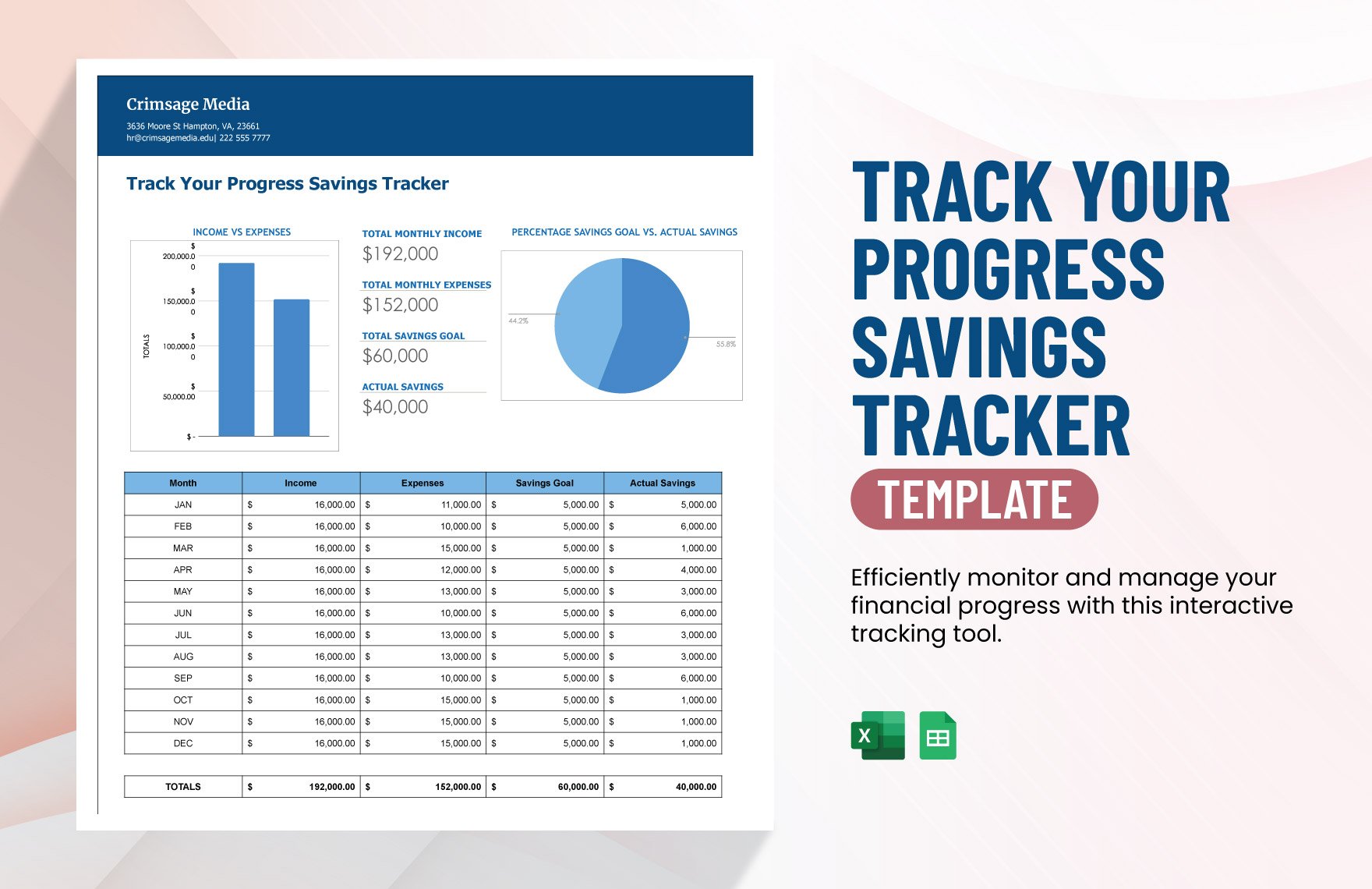
- Tracking progress against goals and KPIs
- Identifying areas for improvement
- Adjusting strategies and tactics
Example of Business Progress Tracking
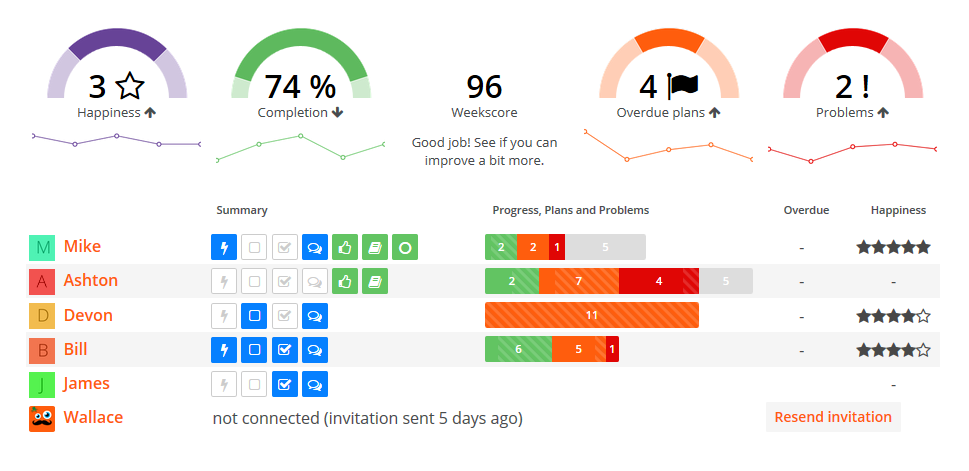
For example, a fitness coach may use a project tracking software to track their clients' progress over time. They can set clear goals, establish KPIs, and track progress against these metrics. This helps the coach identify areas for improvement and adjust their strategies to achieve better results.
Conclusion
In conclusion, business progress tracking is a critical component of business success. By tracking progress effectively, businesses can stay on track, identify areas for improvement, and make data-driven decisions to achieve their goals. Project tracking software provides a range of benefits, including improved visibility, enhanced collaboration, and increased efficiency. By using these tools and strategies, businesses can measure and analyze their progress, make informed decisions, and achieve success.
Recommended Tools for Business Progress Tracking
Here are some recommended tools for business progress tracking:
- Asana: A project management tool that offers task management, project timelines, and reporting capabilities
- Trello: A visual project management tool that uses boards, lists, and cards to track progress
- Microsoft Project: A project management tool that offers advanced features, including Gantt charts and resource allocation
- Basecamp: A project management tool that offers a range of features, including message boards, schedules, and file sharing
These tools can help businesses track progress, collaborate with team members, and make informed decisions to achieve their goals.
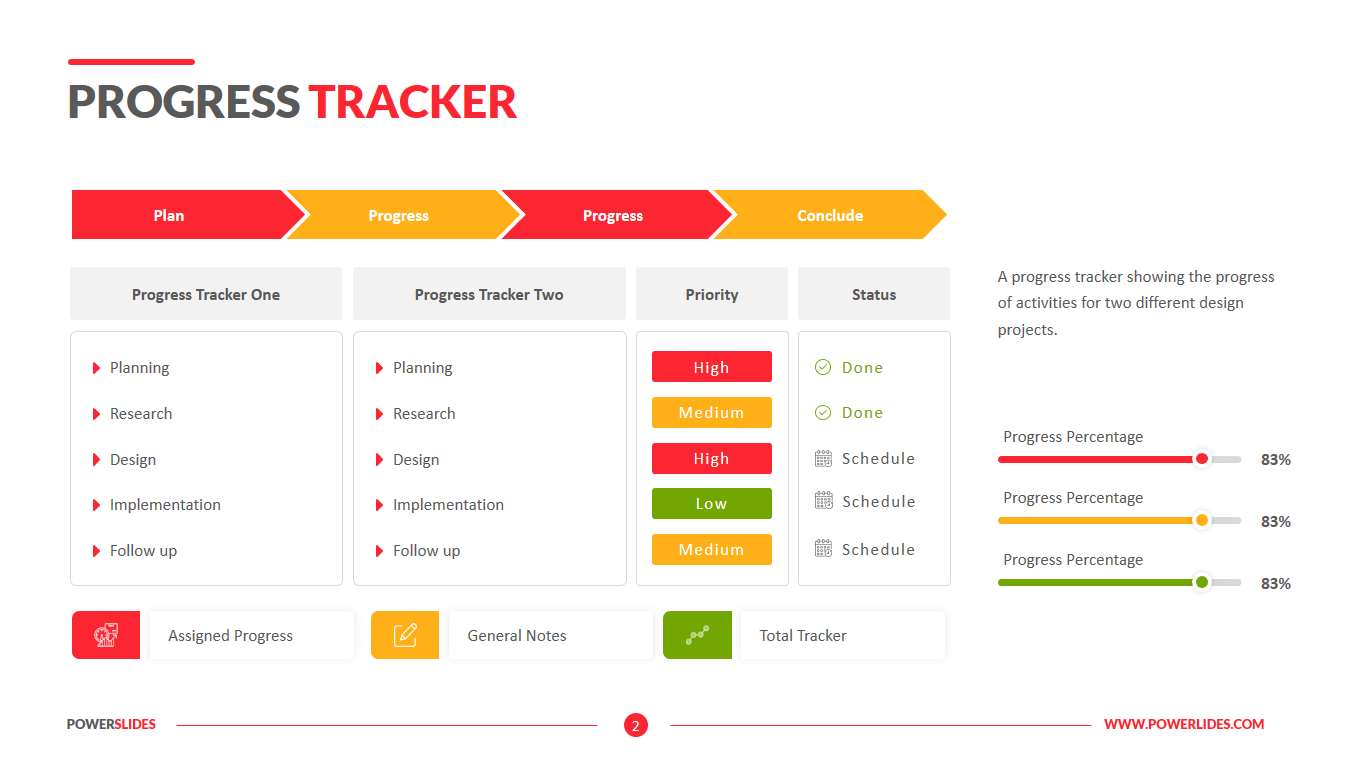




![What Are SMART Goals? Examples and Templates [2026] • Asana](https://www.slideteam.net/media/catalog/product/cache/1280x720/o/r/organizational_growth_and_progress_tracking_icon_slide01.jpg "What Are SMART Goals? Examples and Templates [2026] • Asana")