Dopamine Loop and Resilience: Understanding the Connection
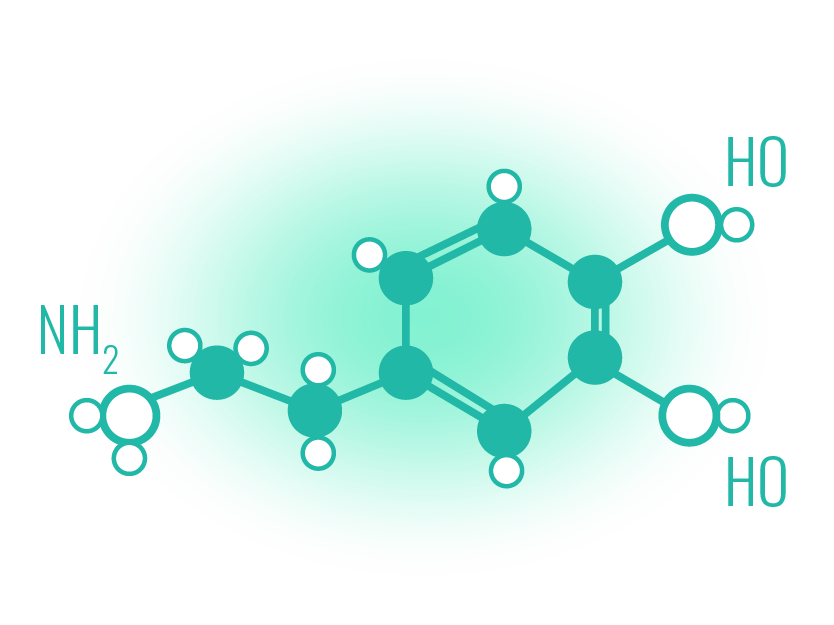
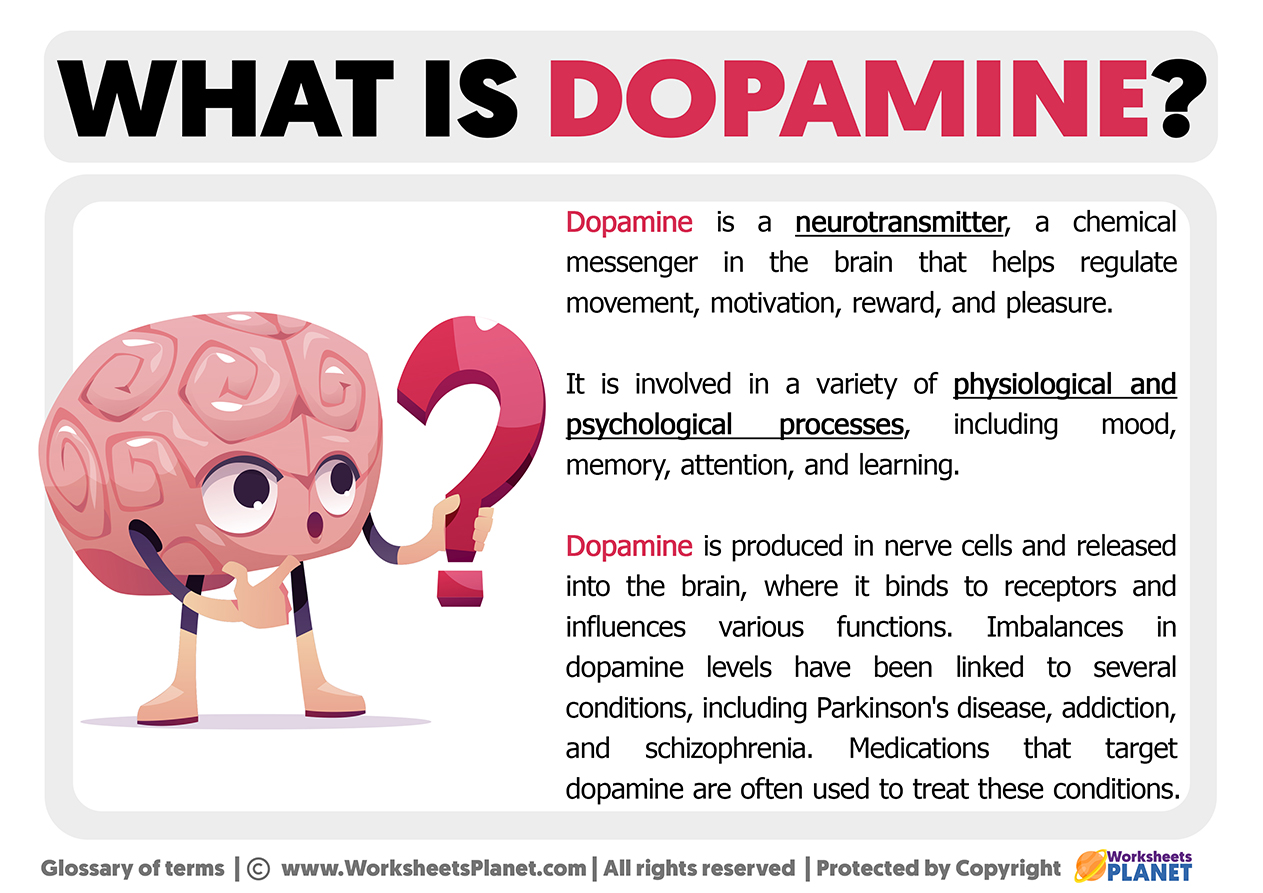
Resilience is the ability to bounce back from adversity, trauma, or stress. It's a complex trait that involves multiple biological processes, including the dopamine system. Dopamine is a neurotransmitter that plays a crucial role in motivation, pleasure, and reward processing. In this article, we'll explore the connection between the dopamine loop and resilience, and discuss the implications for mental health.
What is the Dopamine Loop?
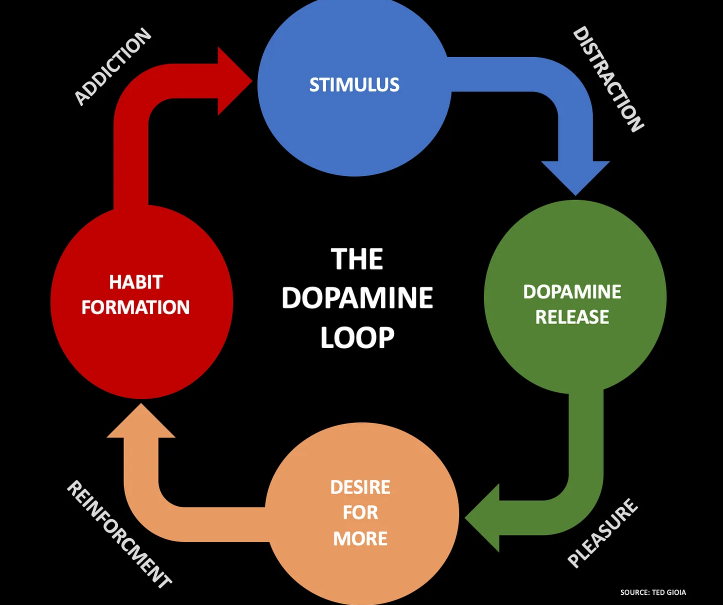
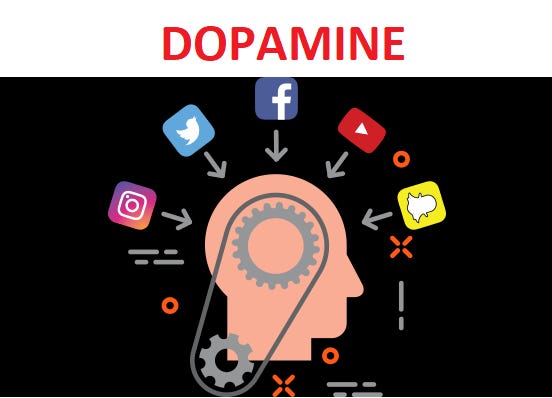
The dopamine loop refers to the brain's reward system, which is regulated by dopamine. When we experience a reward, such as eating food or receiving a prize, our brain releases dopamine, which creates a feeling of pleasure and motivation. However, when we're exposed to stress or adversity, our dopamine levels can become imbalanced, leading to a cycle of craving and seeking that can be difficult to break.
How Does the Dopamine Loop Affect Resilience?
Research has shown that the dopamine loop plays a critical role in resilience. When we experience stress or trauma, our brain's reward system can become dysregulated, leading to a decrease in dopamine levels and an increase in stress hormones like cortisol. This can make it difficult to cope with adversity and can lead to feelings of hopelessness and despair.
Neural Recording and Closed-Loop Manipulation
Studies using neural recording and closed-loop manipulation in mice have revealed causal links between dopamine, behavior, and resilience. These studies have shown that manipulating dopamine levels can affect behavior and resilience, and that the timing of dopamine release can be critical in determining the outcome.
The Dopamine-Cortisol Loop

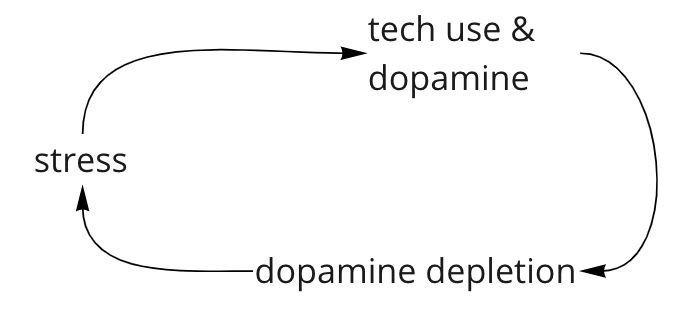
The dopamine-cortisol loop is a complex system that involves the interaction between dopamine and cortisol, two hormones that play critical roles in stress response. When we experience stress, our cortisol levels increase, which can lead to a decrease in dopamine levels. This can create a cycle of stress and craving that can be difficult to break.
Understanding the Dopamine-Cortisol Loop
Understanding the dopamine-cortisol loop is essential for developing effective strategies for resilience and stress management. By learning how to regulate dopamine and cortisol levels, we can develop greater control over our emotional response to stress and adversity.
Breaking the Dopamine Loop
Breaking the dopamine loop requires a combination of strategies that can help regulate dopamine and cortisol levels. These strategies include:
- Exercise: Regular exercise can help regulate dopamine levels and improve resilience.
- Meditation: Meditation can help reduce stress and increase dopamine levels.
- Mindfulness: Mindfulness practices can help us become more aware of our thoughts and emotions, making it easier to break the dopamine loop.
- Cognitive-Behavioral Therapy: Cognitive-behavioral therapy (CBT) can help us identify and challenge negative thought patterns that can contribute to the dopamine loop.
Conclusion
In conclusion, the dopamine loop and resilience are intricately linked. Understanding the dopamine-cortisol loop and developing strategies to break the dopamine loop can help us develop greater resilience and better cope with stress and adversity. By learning how to regulate dopamine and cortisol levels, we can develop greater control over our emotional response to stress and develop greater resilience in the face of life's challenges.