Blue Light Exposure at Night: The Hidden Dangers to Your Health
Bluelightfrom electronic devices has been a topic of discussion for a while now. While it's known to affect our circadian rhythm and sleep patterns, there's more to the story. Exposure to blue light at night has various repercussions on our overall health, including our skin, eyes, and even mental well-being. In this article, we'll delve into the effects of blue light exposure at night and explore ways to minimize its impact.
The Impact of Blue Light on the Body
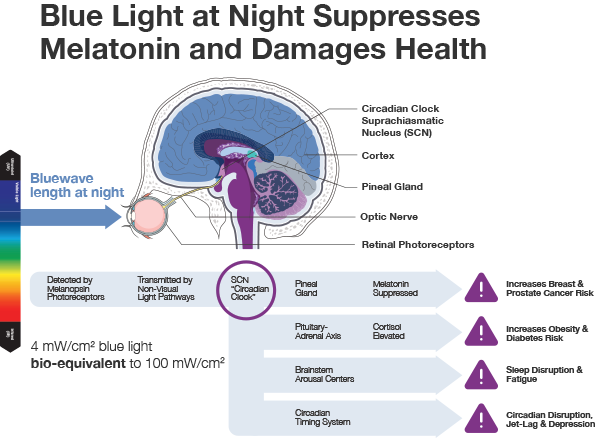
Blue light is part of the visible spectrum, and its high energy allows it to penetrate deep into our retina. When we're exposed to it, especially in the evening, our body interprets it as daylight, suppressing the release of melatonin, the hormone responsible for inducing sleep.
Disrupting the Circadian Rhythm
Our body has an internal clock, regulated by an intricate system of hormones and peptides. Exposure to blue light at night disrupts this delicate balance, making it challenging for our body to wind down and prepare for sleep. This can lead to a range of issues, including insomnia, fatigue, and decreased productivity.
Bluelight Exposure and Skin Health
Exposure to blue light is not just a sleep-time issue; it also affects our skin. Prolonged exposure can lead to increased oxidative stress, cell damage, and inflammation, all of which can contribute to premature aging. Studies have shown that blue light exposure can even lead to a decrease in collagen production, leading to wrinkles and fine lines.
The Consequences of Artificial Light at Night

The use of artificial lighting, particularly blue light, has increased exponentially over the past few decades. This excessive exposure has led to a range of health consequences, including:
- Increased risk of obesity, diabetes, and cardiovascular disease
- Disrupted circadian rhythms
- Decreased melatonin production
- Insomnia and sleep disorders
- Premature aging and skin damage
- Eye strain and digital eye fatigue
- Increased risk of depression and anxiety
Reducing Exposure to Blue Light at Night
Fortunately, there are simple and effective ways to minimize exposure to blue light at night. Here are a few strategies:
Blue Light Blocking Glasses
These specialized glasses or contact lenses block blue light emission from electronic devices, helping to reduce exposure and promote better sleep.Warm-Toned Lighting
Switching to warm-toned light bulbs or lamps can signal to your body that it's time to wind down and relax.Timing
Dimming electronic devices and avoiding screens at least an hour before bedtime can help reduce blue light exposure.Screen Protectors and Filters
Installing screen protectors or blue light filters on electronic devices can also minimize exposure.
Conclusion
Blue light exposure at night has far-reaching consequences for our health, affecting not only our sleep patterns but also our skin, eyes, and mental well-being. By implementing simple strategies to reduce exposure, such as blue light blocking glasses, warm-toned lighting, and screen protectors, we can mitigate the risks associated with artificial light at night. Let's prioritize our health and well-being by being mindful of the blue light we're exposing ourselves to every night.