Drinking Coffee While Pregnant Risks
Pregnancy is a time of joy and excitement for most expecting mothers, but it also comes with a plethora of questions and concerns. One of the most common questions pregnant women ask is whether they can still enjoy their morning cup of coffee while pregnant. While moderate coffee consumption is generally considered safe, exceeding the recommended daily intake can pose several risks to the mother and the developing fetus.
How Much Caffeine Can You Have While Pregnant?
Caffeine is a stimulant and a diuretic that can have a significant impact on the body, especially during pregnancy. The American College of Obstetricians and Gynecologists (ACOG) recommends that pregnant women limit their daily caffeine intake to 200 milligrams or less. However, caffeine content can vary greatly depending on the type and brand of coffee, tea, or other caffeinated beverages. It's essential to understand that even seemingly harmless amounts can add up quickly.
The Risks Associated with Drinking Coffee While Pregnant
- Increased Risk of Miscarriage: High levels of caffeine intake during pregnancy have been linked to an increased risk of miscarriage. This is especially true for women who consume over 200 milligrams of caffeine per day.
- Low Birth Weight: Excessive caffeine consumption during pregnancy may lead to a smaller-than-average baby, which can increase the risk of health complications.
- Increased Risk of Preterm Birth: Drinking lots of caffeine during pregnancy has been linked to an increased risk of preterm birth, which can be life-threatening for both the mother and the baby.
- Other Risks: High caffeine intake during pregnancy may also lead to decreased fetal growth, an increased risk of stillbirth, and impaired cognitive development.
Why is Caffeine a Concern During Pregnancy?
Caffeine crosses the placenta, which means it can potentially harm the developing fetus. The fetus's liver and kidneys are not fully developed, making it difficult for them to process caffeine efficiently. This can lead to caffeine accumulation in the fetus's system, causing potential harm.
Benefits vs. Risks of Drinking Coffee While Pregnant
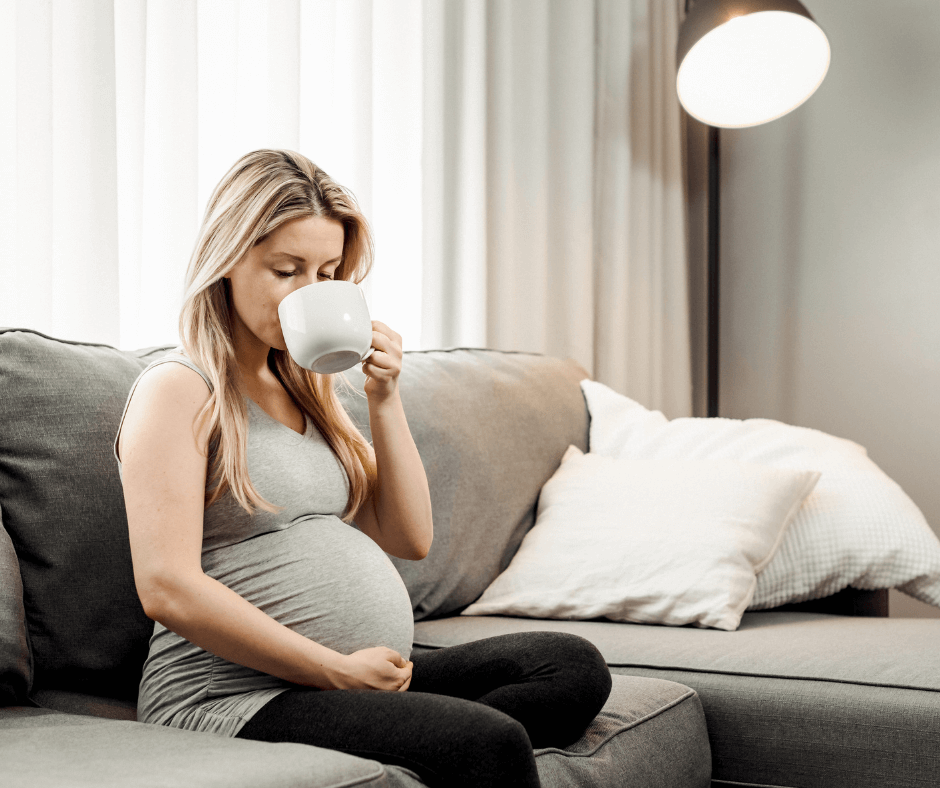
While moderate coffee consumption is generally considered safe, the benefits of drinking coffee during pregnancy are still unclear. Some research suggests that moderate caffeine intake may have a negative impact on fetal growth and development, while other studies have found no link between caffeine and adverse pregnancy outcomes.
Reducing Caffeine Intake During Pregnancy
While it may be challenging to cut out coffee entirely, there are steps you can take to reduce your caffeine intake during pregnancy. Here are some tips:
- Limit Your Cup Size: Switch to smaller cup sizes or opt for decaf coffee to reduce your daily caffeine intake.
- Switch to Herbal Teas: Many herbal teas, like peppermint or chamomile, are caffeine-free and can provide a soothing alternative.
- Monitor Your Caffeine Intake: Keep track of your daily caffeine intake and adjust your habits accordingly.
Conclusion
Drinking coffee while pregnant is a complex issue, and the decision to consume it should be made with caution. While moderate coffee consumption is generally considered safe, exceeding the recommended daily intake can pose significant risks to the mother and the developing fetus. By understanding the potential risks and taking steps to reduce caffeine intake, pregnant women can make informed decisions about their health and well-being.
While enjoying a cup of coffee may be a pleasant way to start your day, it's essential to prioritize your health and the health of your baby. If you're unsure about your caffeine intake or have any concerns, consult with your healthcare provider for personalized advice.