Wave Soldering Micro Components: A Comprehensive Guide
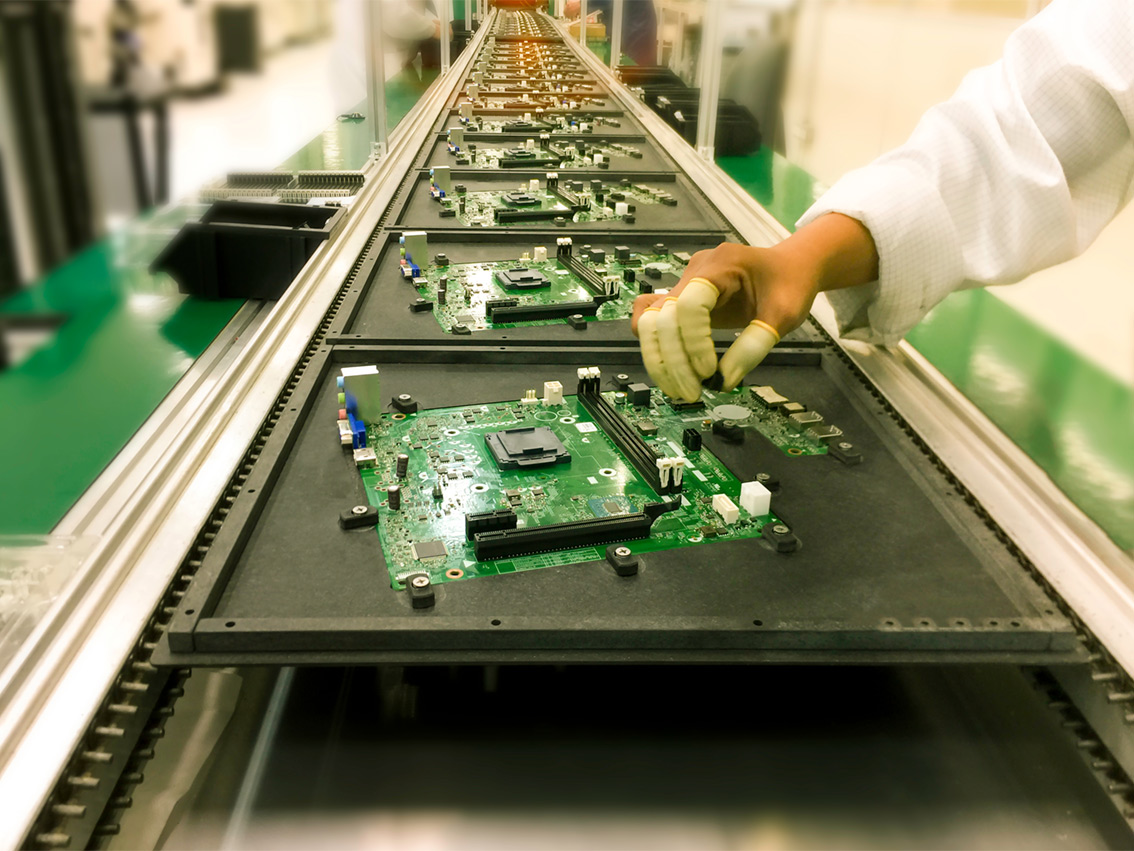
Wave soldering micro components is a critical process in SMT (Surface Mount Technology) assembly, relying on precise interactions between components, PCBs, and soldering parameters to form strong, reliable joints.
Understanding Wave Soldering
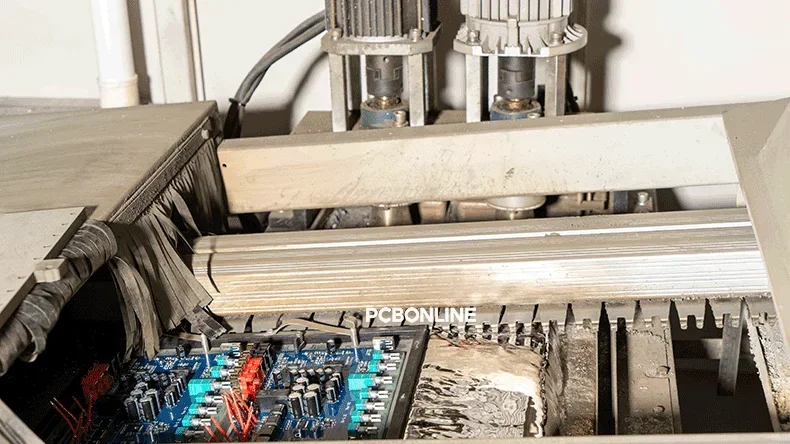
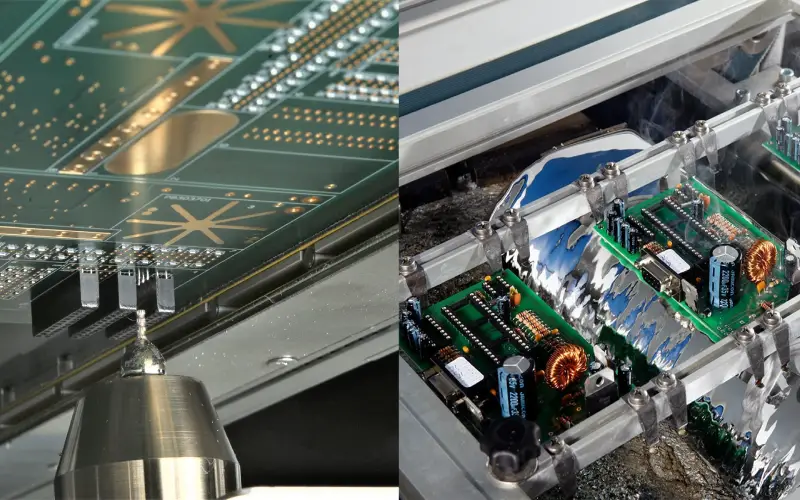
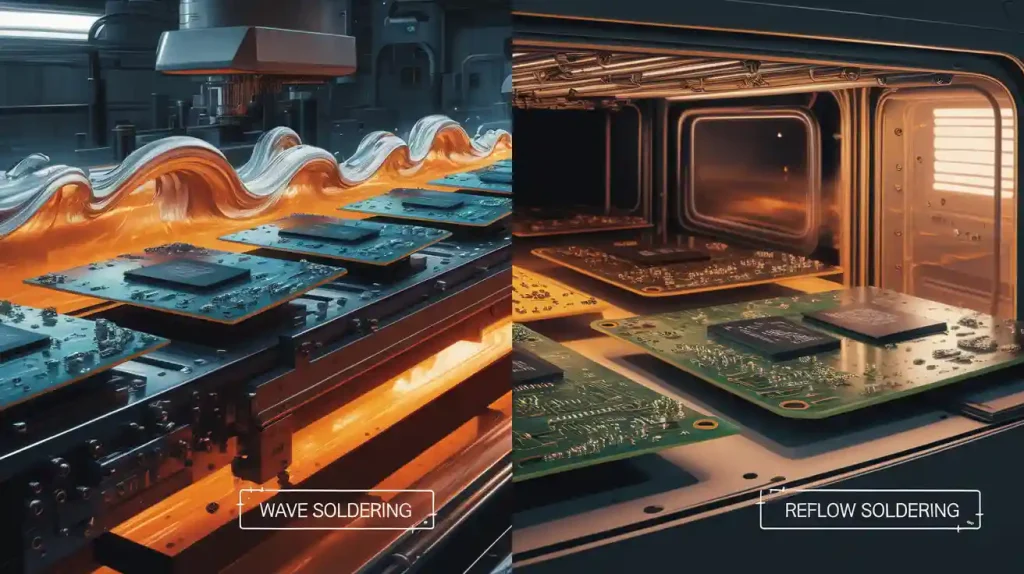
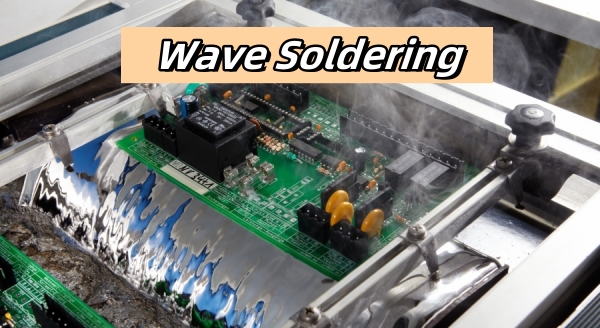
Wave soldering is a bulksoldering process primarily used for attaching through-hole components to printed circuit boards (PCBs). In this method, a PCB is passed over a wave of molten solder, which wets the exposed metal leads of components and forms strong, reliable joints.
Benefits of Wave Soldering for Micro Components
- Efficient mass production: Wave soldering enables high-volume manufacturing of reliable electronic assemblies.
- Consistent solder joints: Electrical engineers rely on wave soldering to achieve consistent solder joints in high-volume manufacturing environments.
- High-quality solder joints: Wave soldering processes allow for precise control over soldering parameters, resulting in high-quality solder joints.
Key Factors in Wave Soldering Micro Components
The wave soldering process involves several key steps:
- PCB Preparation: The bare PCB is cleaned and a thin layer of flux is applied to the bottom surface where components will be soldered.
- Solder Application: The PCB is passed over a wave of molten solder, which wets the exposed metal leads of components and forms strong, reliable joints.
- Timing and Control: The solder wave must be precisely controlled to prevent defects and ensure consistent solder joints.
Challenges in Wave Soldering Micro Components
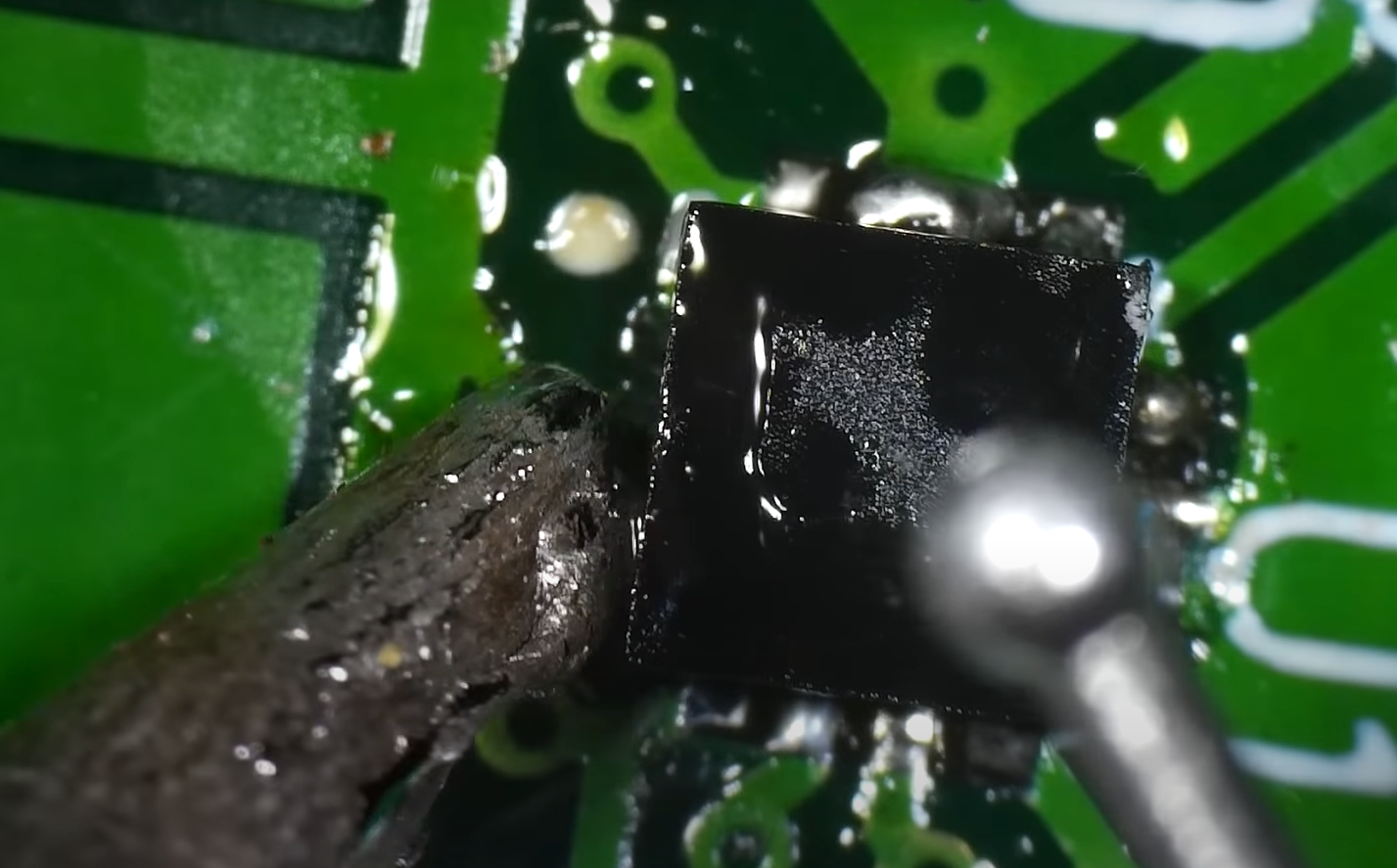
Traditional wave soldering treats the entire board as a single process, exposing all components to the same thermal and solder environment. This often leads to solder bridging, thermal stress, or damage to nearby components—especially in fine-pitch areas.
Solutions for Wave Soldering Micro Components
To overcome the challenges of wave soldering micro components, manufacturers can employ various techniques, including:
- Multi-wave or selective wave soldering: This method uses multiple independently controlled solder waves to precisely target specific areas of the PCB.
- Pre-heat and timing control: Adjusting the pre-heat and timing of the solder wave to optimize soldering parameters for micro components.
- Advanced fluxes and solder materials: Using specialized fluxes and solder materials designed for wave soldering micro components.
Conclusion
Wave soldering micro components is a critical process in SMT assembly, requiring precise control over soldering parameters to form strong, reliable joints. By understanding the key factors and challenges in wave soldering micro components, manufacturers can optimize their processes to achieve high-quality solder joints and efficient mass production.