Prolonged Screen Time: The Hidden Dangers and Consequences
In today's digital age, it's no secret that we spend a significant amount of time staring at screens. From our smartphones to our computers, tablets, and televisions, screens are an integral part of our daily lives. However, excessive screen time has become a growing concern, with numerous studies linking it to a range of physical and mental health problems. In this article, we'll delve into the dangers of prolonged screen time and explore the consequences of excessive screen use.
What is Prolonged Screen Time?
Prolonged screen time refers to the excessive and prolonged use of digital devices, resulting in a significant impact on our physical and mental well-being. This can include activities such as scrolling through social media, watching videos, playing video games, and browsing the internet. With the constant availability of digital devices and the constant stream of information, it's easy to get sucked into the vortex of screen time.
The Consequences of Prolonged Screen Time
-
Eye Strain and Vision Problems
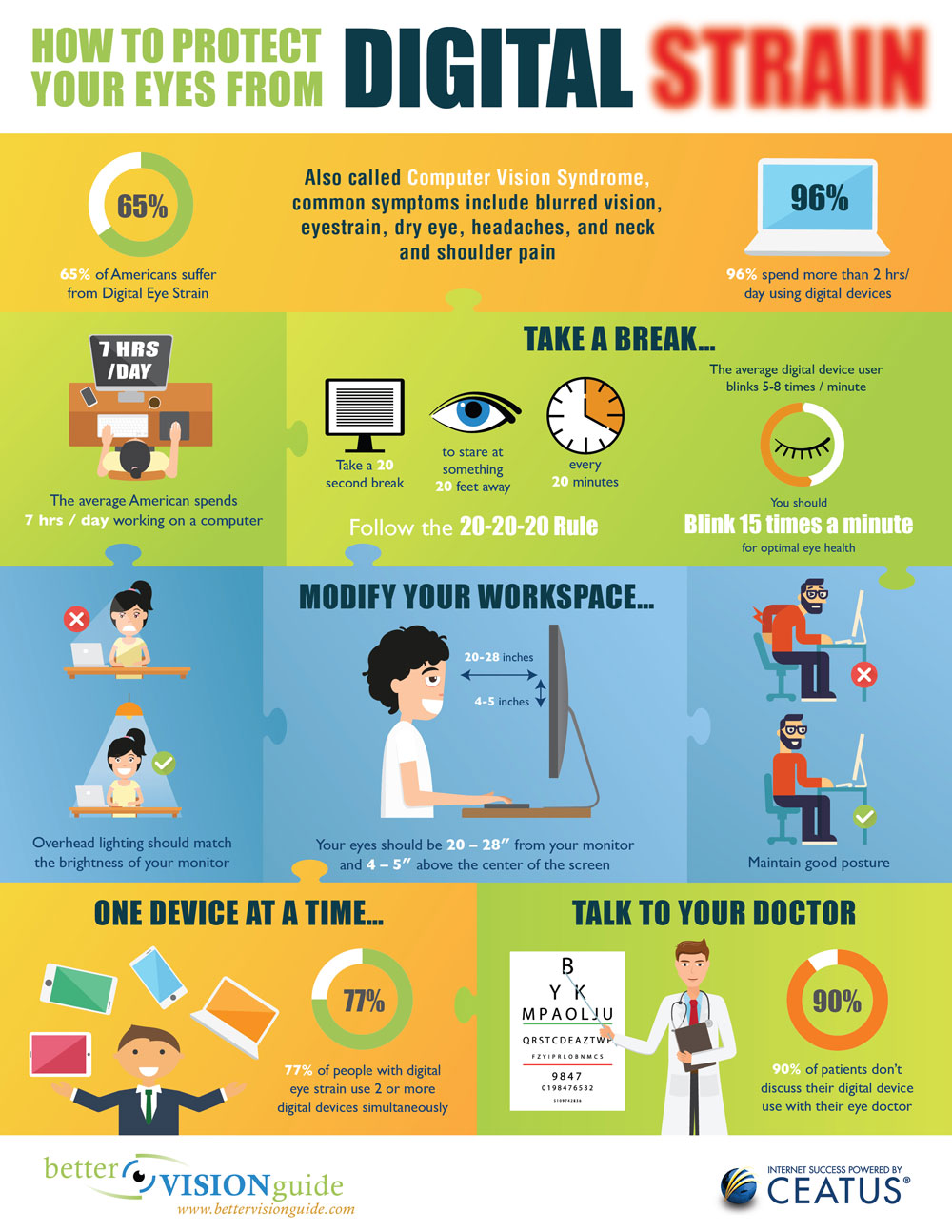
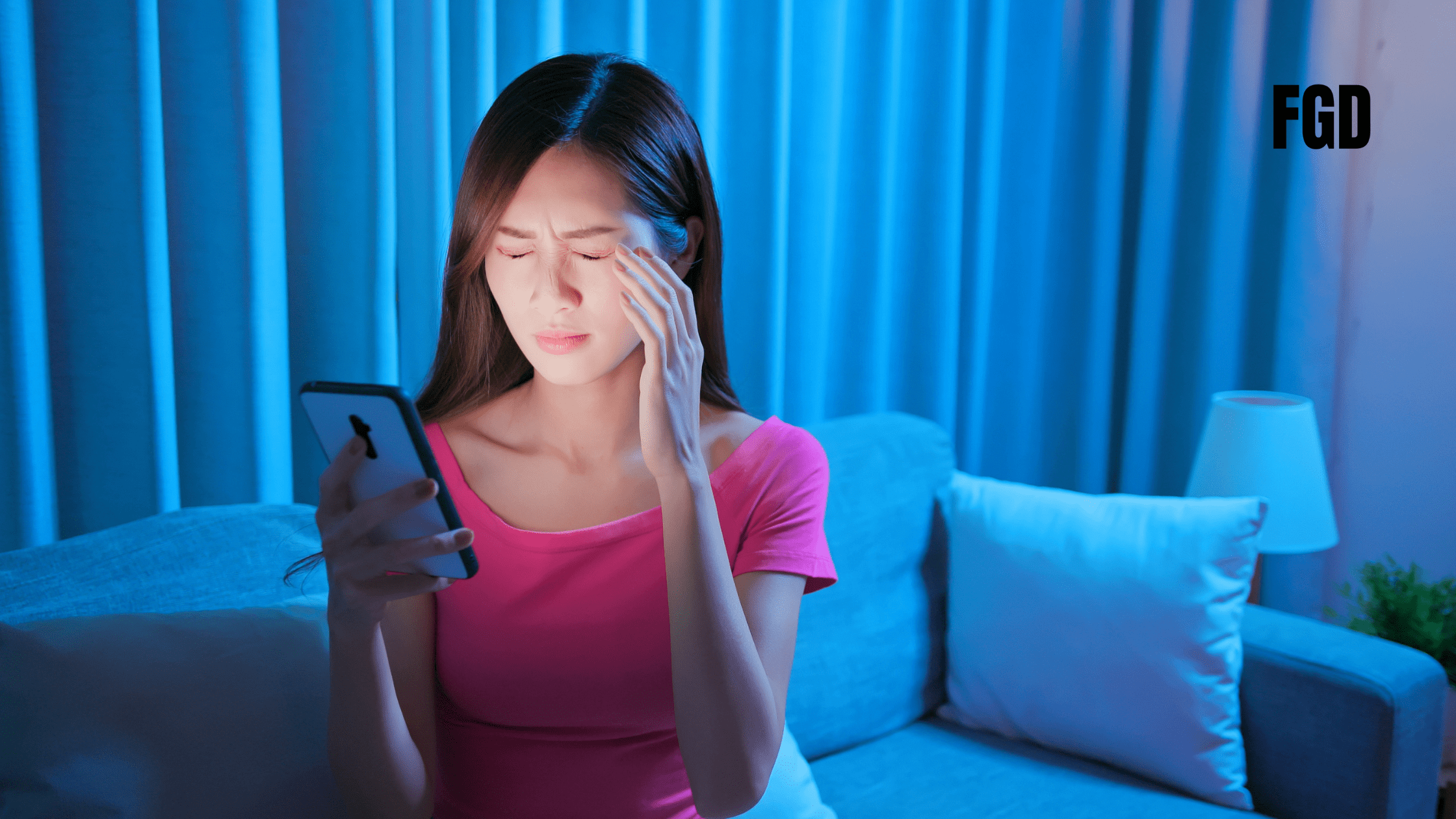
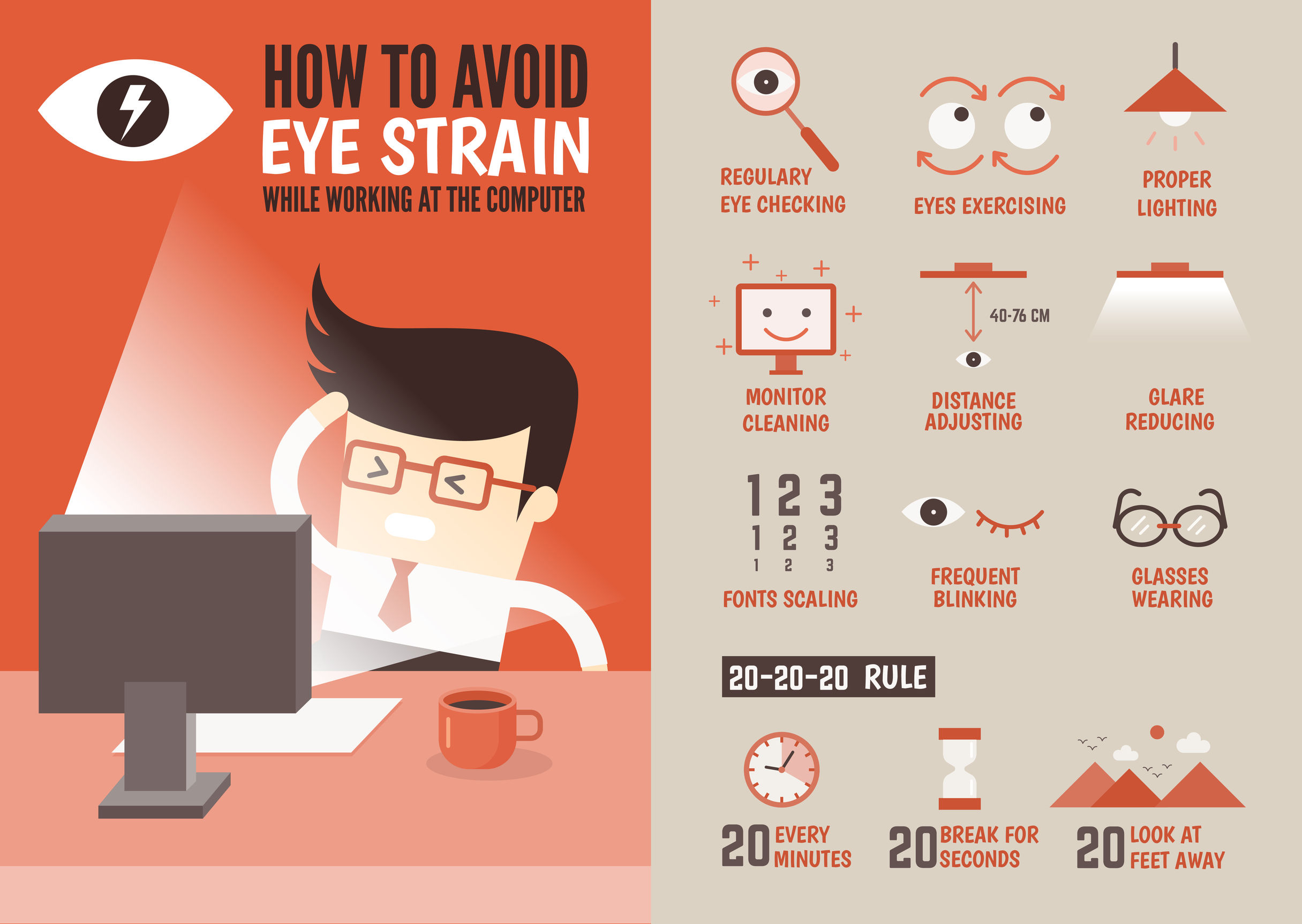
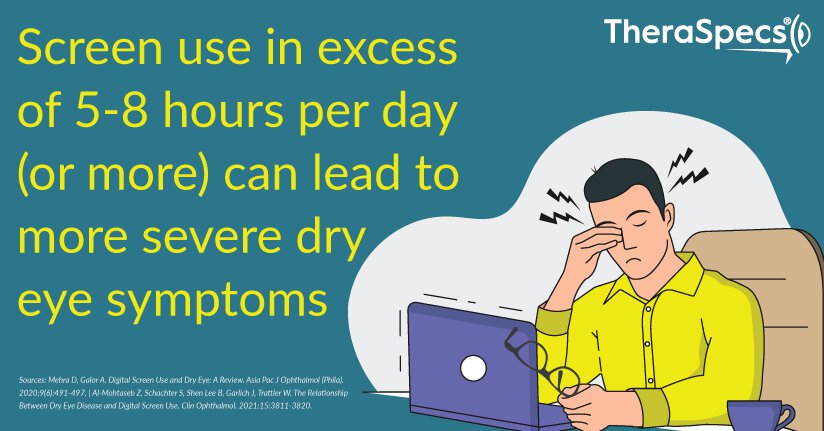
Staring at screens for extended periods can cause eye strain, dryness, and irritation. Prolonged screen time has also been linked to the development of myopia (nearsightedness) and other vision problems in young adults.
-
Mental Health Concerns
Excessive screen time has been linked to a range of mental health concerns, including anxiety, depression, and sleep problems. This is particularly concerning for young people, as their brains are still developing and are more susceptible to the negative effects of screen time.
-
Physical Health Problems
Prolonged screen time has also been linked to a range of physical health problems, including obesity, cardiovascular disease, and reduced physical activity. This is due to the sedentary nature of screen time, which can lead to a lack of physical activity and a poor diet.
-
Sleep Disturbances
Excessive screen time can disrupt sleep patterns, leading to insomnia, daytime fatigue, and other sleep-related problems. This is particularly concerning, as sleep is essential for physical and mental health.
-
Social Isolation and Decreased Social Skills
Prolonged screen time can lead to social isolation, decreased social skills, and a lack of face-to-face interaction. This can have significant consequences for mental health and relationships.
Setting Healthy Screen Time Limits

While it's impossible to completely eliminate screen time from our lives, there are steps we can take to set healthy limits and reduce the negative effects of prolonged screen time. Here are a few strategies:
-
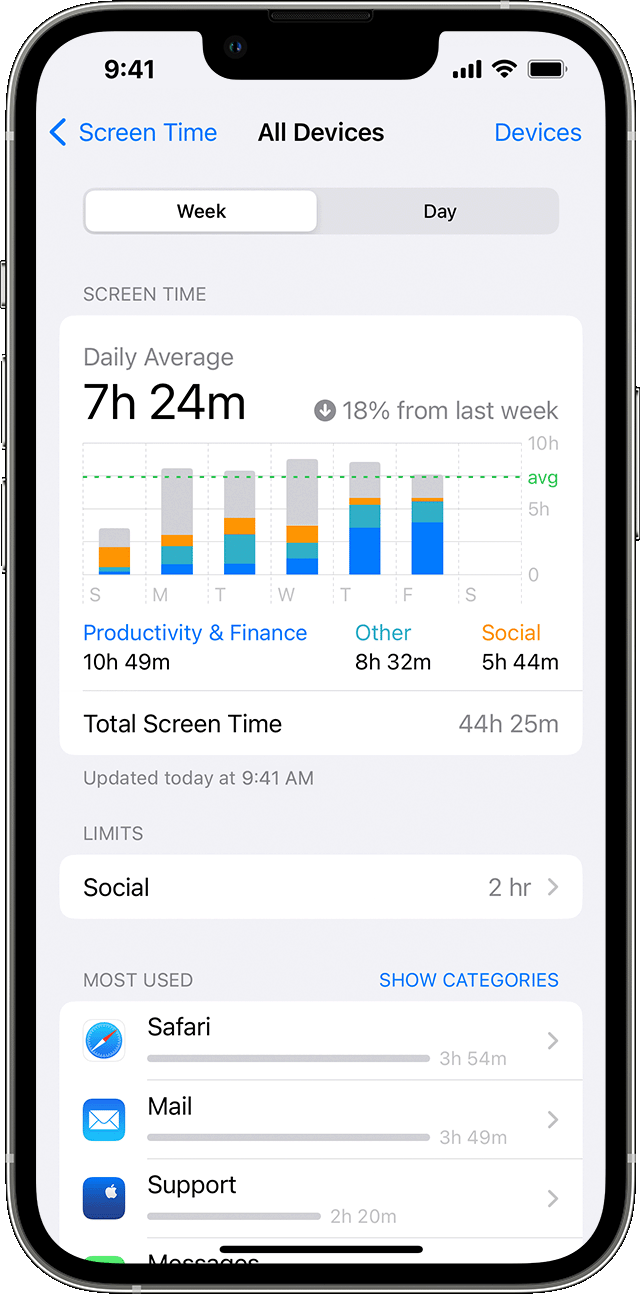
Set a timer or reminder to take regular breaks from screens
-
Establish screen-free zones in the home, such as the bedroom or dinner table
-
Choose screen-based activities that promote physical activity, such as fitness apps or video games that encourage movement
-
Monitor and limit screen time in children, especially during early childhood and adolescence
-
Seek support from friends, family, or a healthcare professional if you're struggling with excessive screen time or related mental health concerns
Conclusion
Prolonged screen time is a growing concern that affects both physical and mental health. By understanding the consequences of excessive screen use and setting healthy limits, we can reduce the negative effects of screen time and promote a healthier, more balanced lifestyle. Whether it's setting screen-free zones, choosing screen-based activities that promote physical activity, or simply taking regular breaks from screens, there are steps we can take to mitigate the risks associated with prolonged screen time.
References
This article was written by [Author's Name] and is based on research from [Source 1], [Source 2], and [Source 3].