Treating Stunted Growth in Children: A Guide to Understanding and Addressing the Issue
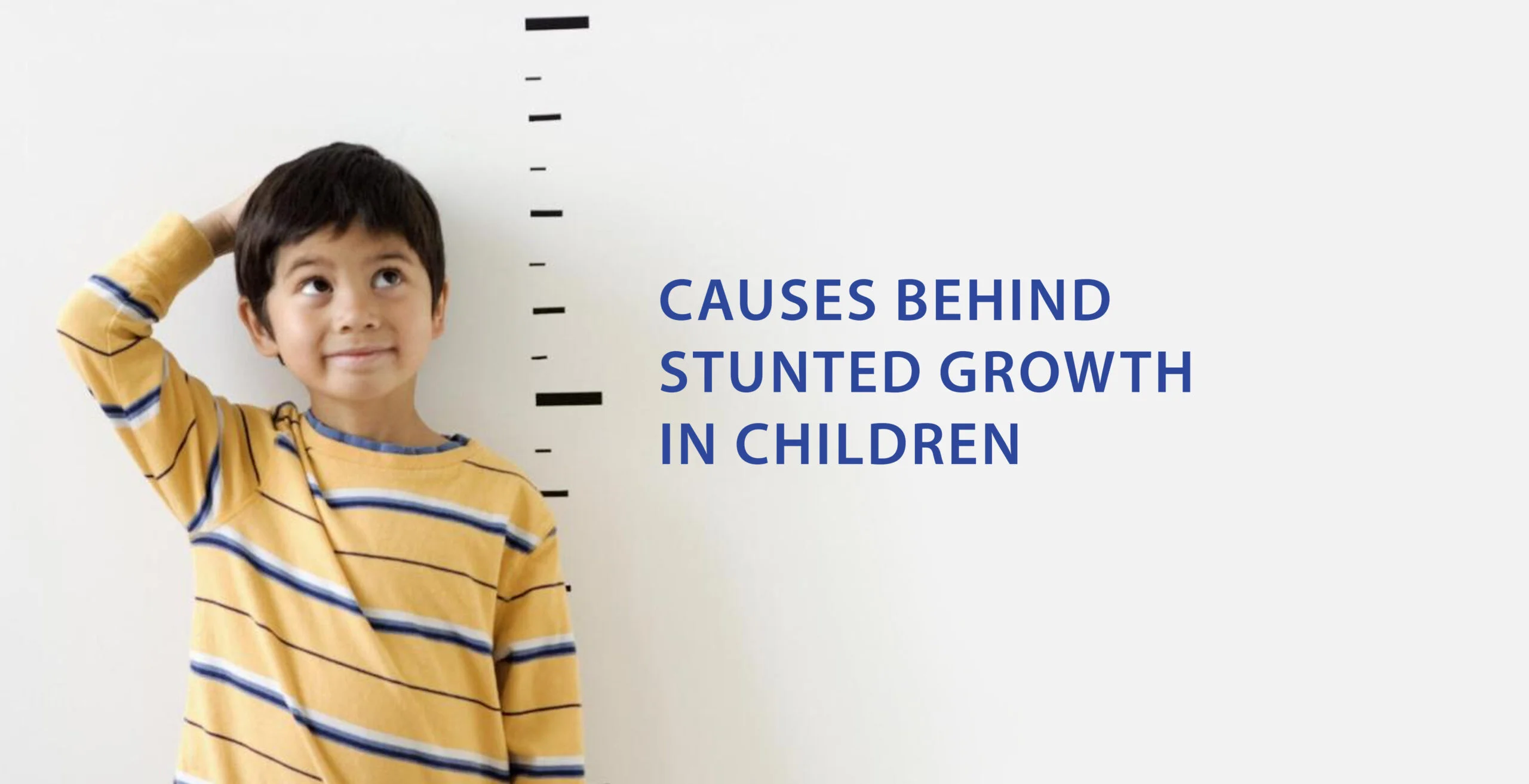
Growth problems in children are a common concern for parents and healthcare providers alike. Stunted growth, in particular, can have a significant impact on a child's physical and mental health, leading to a range of short- and long-term health and social conditions.
What is Stunted Growth in Children?
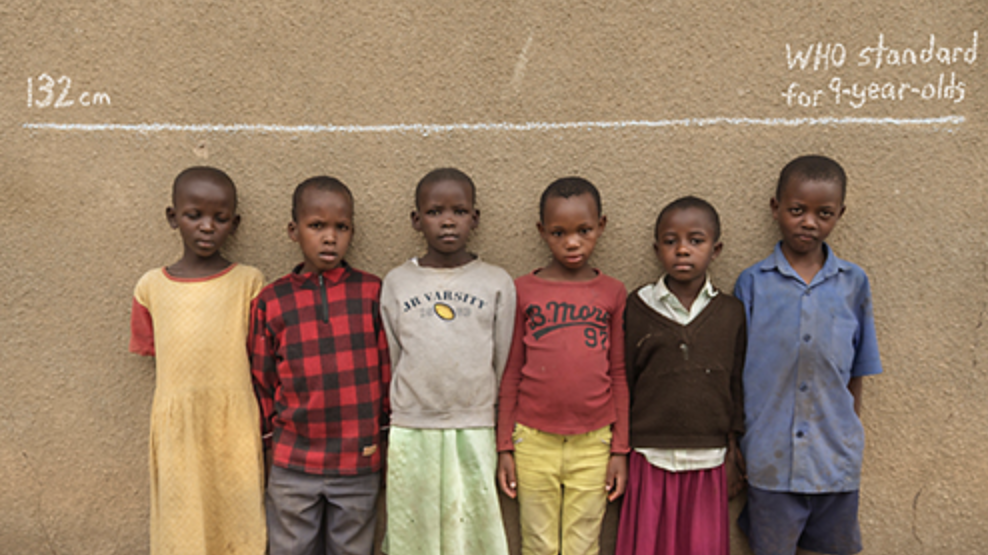
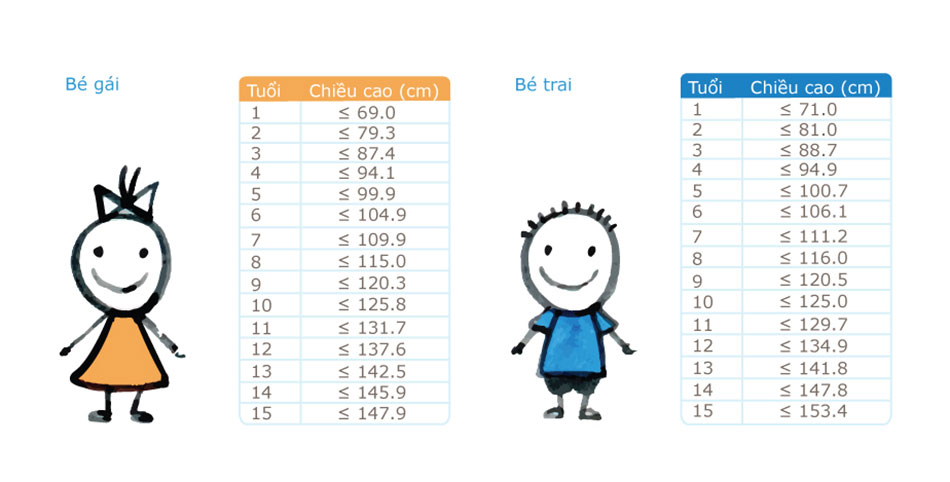
Stunted growth, also known as stunting or stunted development, is a condition where a child's height or weight falls below the expected range for their age. According to the World Health Organization (WHO), children who are stunted have a height-for-age that is more than two standard deviations below the median.
Causes of Stunted Growth in Children
There are several causes of stunted growth in children, including:
- Malnutrition: Poor nutrition, including inadequate intake of protein, iron, and other essential nutrients, can lead to stunted growth.
- Repeated infections: Chronic illnesses, such as tuberculosis or HIV, can also contribute to stunted growth.
- Genetic disorders: Certain genetic conditions, such as Turner syndrome or Turner syndrome-like disorders, can affect growth and development.
- Chronic conditions: Conditions such as celiac disease, Crohn's disease, or pancreatitis can also lead to stunted growth.
- Medical treatments: Long-term use of certain medications, such as steroids, can also stunt growth.
Diagnosing Stunted Growth in Children
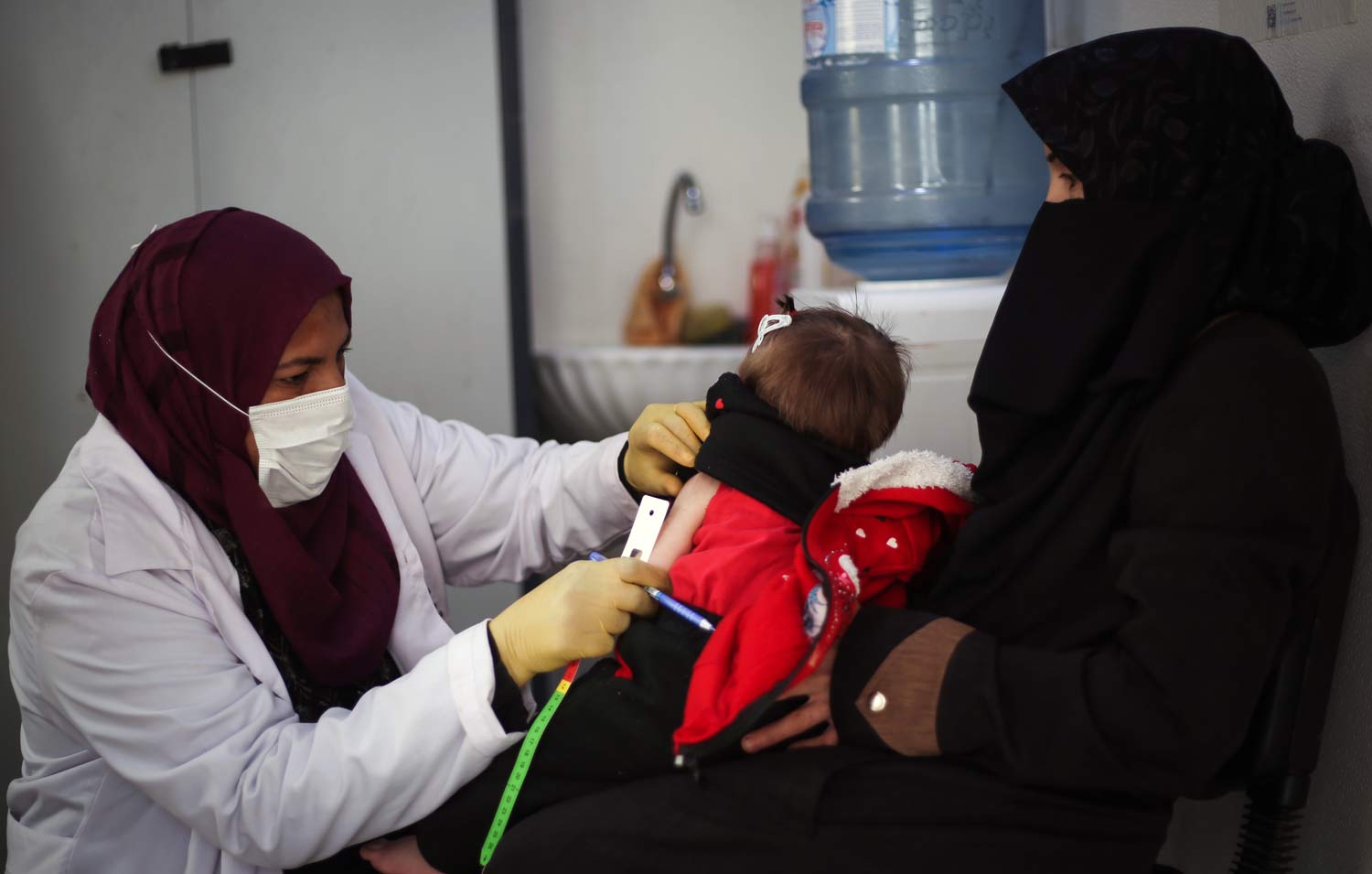
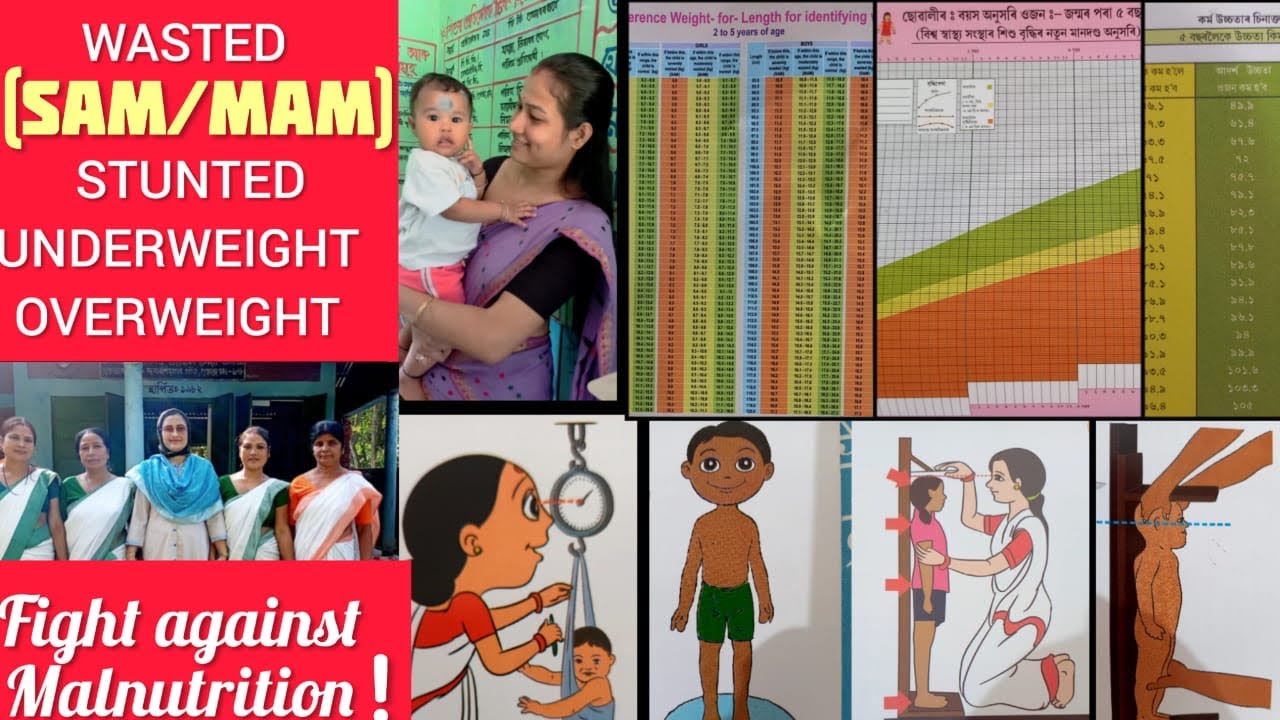
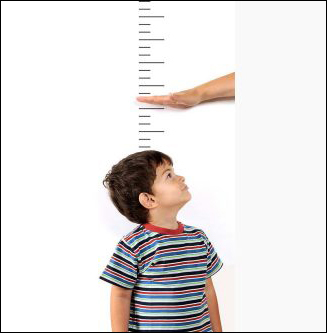
Growth charts are used to monitor a child's growth and development over time. A healthcare provider will use these charts to determine if a child is meeting their growth milestones. In some cases, X-rays and blood tests may be used to diagnose specific growth-related issues.
Treating Stunted Growth in Children
Treating stunted growth in children involves addressing the underlying cause of the condition. This may include:

- Improving nutrition: Ensuring a child receives a well-balanced diet that includes all essential nutrients.
- Treating underlying conditions: Managing chronic illnesses, such as tuberculosis or HIV, and addressing genetic disorders.
- Medications: In some cases, medications may be prescribed to address specific growth-related issues.
- Surgical interventions: In rare cases, surgery may be necessary to address underlying growth-related issues.
Treating Specific Growth-Related Conditions
There are several growth-related conditions that can affect children, including:
- Growth hormone deficiency: This condition occurs when the pituitary gland does not produce enough growth hormone.
- Pituitary dwarfism: This condition occurs when the pituitary gland is underdeveloped, leading to a lack of growth hormone production.
- Cushing syndrome: This condition occurs when the body produces too much cortisol, leading to stunted growth.
Preventing Stunted Growth in Children
Preventing stunted growth in children involves:
- Ensuring adequate nutrition: Providing a well-balanced diet that includes all essential nutrients.
- Monitoring growth: Regularly tracking a child's growth and development to identify any potential issues.
- Addressing underlying conditions: Managing chronic illnesses and addressing genetic disorders.
- Promoting regular physical activity: Engaging in regular physical activity can improve bone development and strengthen bones.
Conclusion
Treating stunted growth in children requires a comprehensive approach that addresses the underlying cause of the condition. By improving nutrition, treating underlying conditions, and promoting regular physical activity, parents and healthcare providers can work together to ensure children achieve their full growth potential and develop into healthy, happy adults.