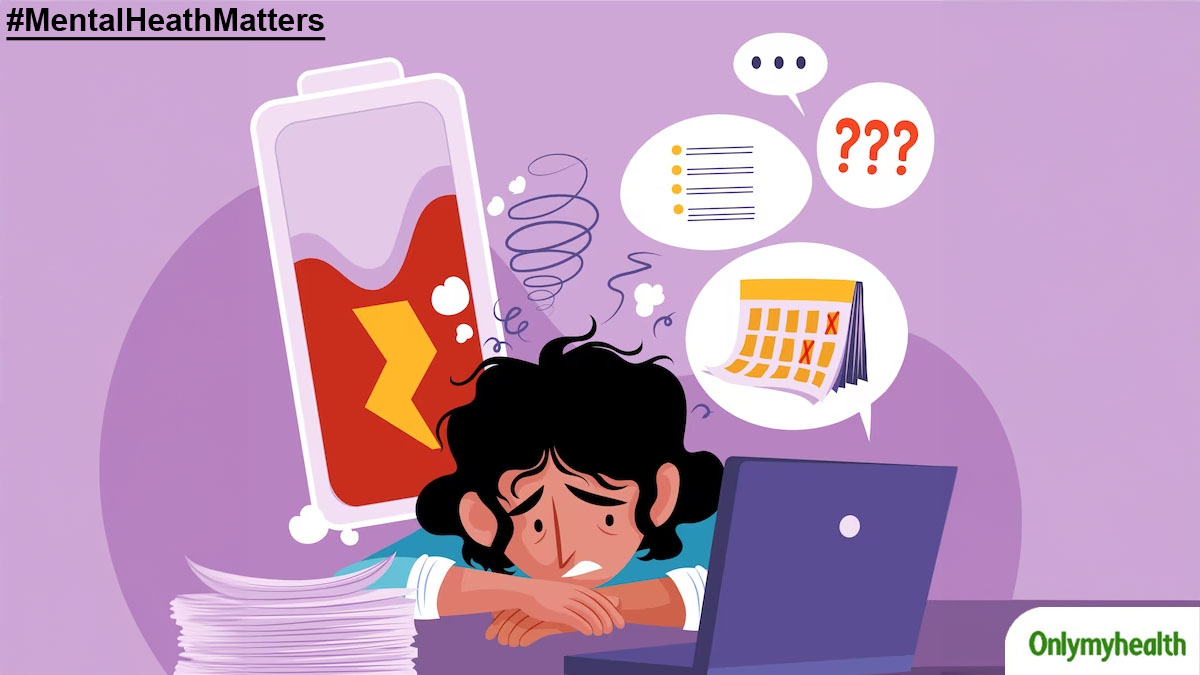
Screendependency: The Hidden Threat to Our Well-being
In today's digital age, screens have become an integral part of our lives. We spend countless hours gazing at our smartphones, laptops, and tablets, effortlessly scrolling through social media, watching videos, and engaging in online activities. However, an alarming trend has emerged, threatening to undermine our physical and mental well-being: screendependency
Defining Screendependency
Screendependency, also known as screen addiction or problematic screen use, refers to the compulsive and excessive reliance on digital devices. Individuals who are screen-dependent may exhibit behaviors such as spending an inordinate amount of time on screens, neglecting responsibilities and relationships in favor of screen-related activities, and experiencing withdrawal symptoms when unable to access screens.
Consequences of Screendependency
The consequences of screendependency are far-reaching and concerning. Excessive screen time has been linked to a range of mental health issues, including anxiety, depression, and addiction. A study published in the Journal of Behavioral Addictions found that individuals who spent more than four hours per day on screens were at a higher risk of developing these conditions.
Sedentary behavior: Screendependency is often accompanied by a sedentary lifestyle, leading to a host of health problems, including obesity, diabetes, and cardiovascular disease.
Distractibility: Constantly switching between tasks and apps can lead to cognitive fatigue, causing us to feel perpetually distracted and disorganized.
Withdrawal symptoms: When unable to access screens, individuals may experience withdrawal symptoms, such as irritability, anxiety, and restlessness.
Sleep disturbances: Exposure to screens before bed can disrupt our sleep patterns, leading to insomnia, daytime fatigue, and related health problems.
Causes of Screendependency
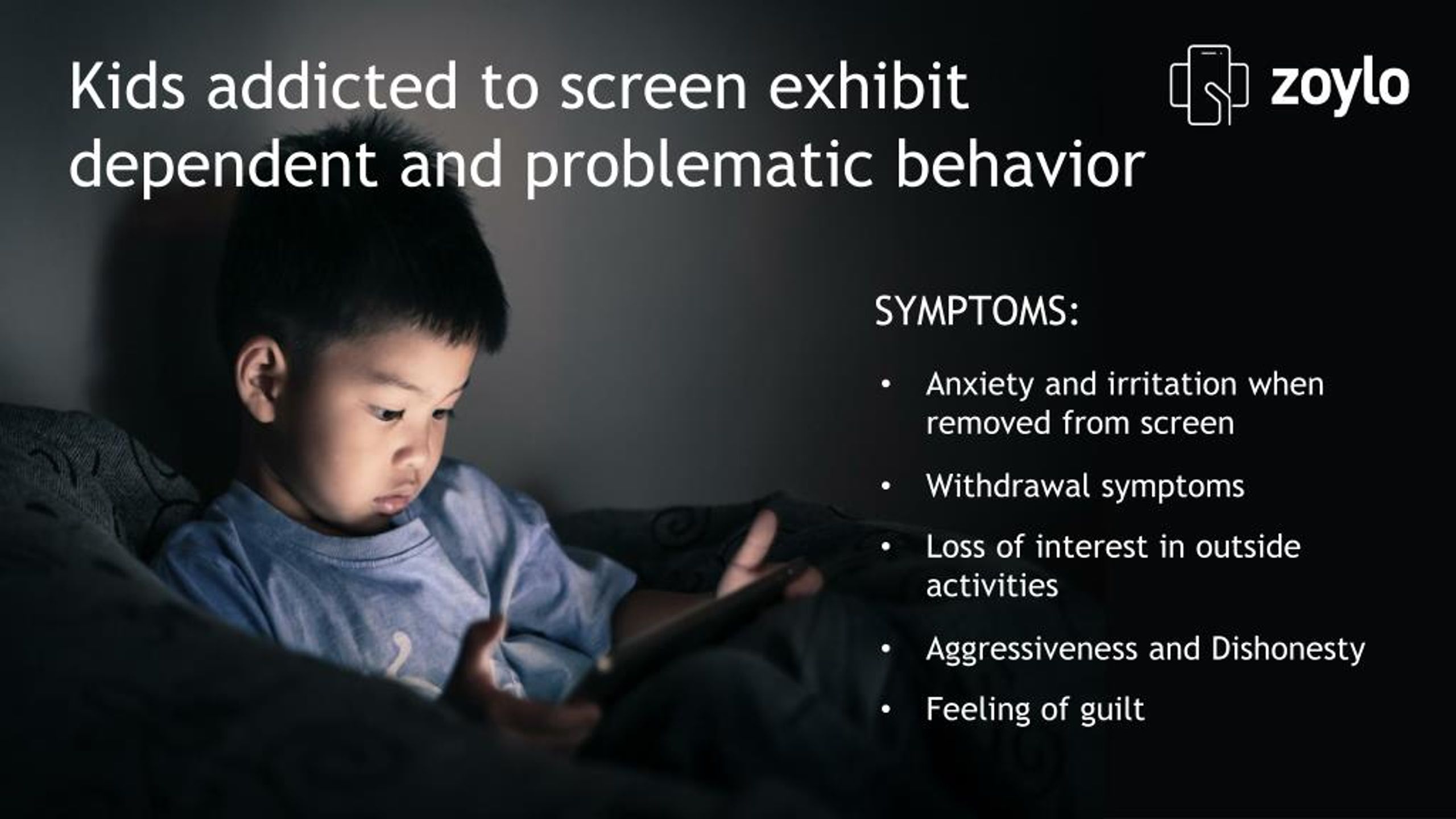
So, what drives screendependency? Several factors contribute to this phenomenon:
Instant gratification: Screens provide instant access to information, entertainment, and social interaction, which can be highly addictive.
Social validation: Social media platforms often exploit our desire for validation and attention, encouraging us to engage in excessive screen time.
Easy access: The widespread availability of screens and the constant connectivity of mobile devices make it easy to get sucked into screen time.
Breaking the Cycle of Screendependency
Recognizing the risks associated with screendependency is just the first step. To break the cycle, we must adopt strategies that promote a healthier relationship with screens:
Set boundaries: Establish screen-free zones and times, such as during meals or one hour before bed.
Engage in screen-free activities: Prioritize face-to-face interactions, exercise, reading, and other offline activities.
Practice digital detox: Regularly disconnect from screens, and explore activities that promote relaxation and stress relief.
Seek support: Share concerns with friends and family members, and consider professional help if screendependency is impacting relationships or daily life.
Conclusion
Screendependency is a pressing issue that demands attention and action. By understanding the causes and consequences of this phenomenon, we can take the first step towards reclaiming our lives and promoting healthier screen habits. Remember, a balanced approach to screen use is key to maintaining our physical and mental well-being in today's digital age.