Essential Safety Precautions for Changing Tires
Changing a tire can be a daunting task, but with the right guidance, you can ensure a safe and successful experience. Whether you're a seasoned driver or a new car owner, knowing the safety precautions for changing tires is crucial to avoid injuries and accidents. In this article, we'll cover the essential steps to take when changing a tire, so you can get back on the road quickly and safely.
Why Safety Precautions are Important
Each year, thousands of people are injured or killed while changing a tire, often due to avoidable mistakes. The most common causes of accidents include failing to secure the vehicle, improper use of tools, and inattention to the surroundings. By following the safety precautions outlined in this guide, you can minimize the risks and stay safe while changing a tire.
Before You Begin
Before you start changing the tire, make sure you're aware of your surroundings and take the necessary precautions to stay safe:
- Choose a safe location: Move your vehicle to a flat, straight section of the road away from traffic. Engage the parking brake and turn on the hazard lights to alert other drivers.
- Turn off the engine: Ensure the engine is turned off and the transmission is in park (or in gear for manual transmissions).
- Put on gloves and safety glasses: Wear gloves to protect your hands from cuts and abrasions, and safety glasses to shield your eyes from debris.
- Use wheel chocks and jack stands: Position wheel chocks in front and back of the wheel that's not being changed to prevent the vehicle from rolling or jack stands to lift the vehicle safely.
Safe Tire Changing Techniques

When changing a tire, follow these safe techniques to avoid accidents and injuries:
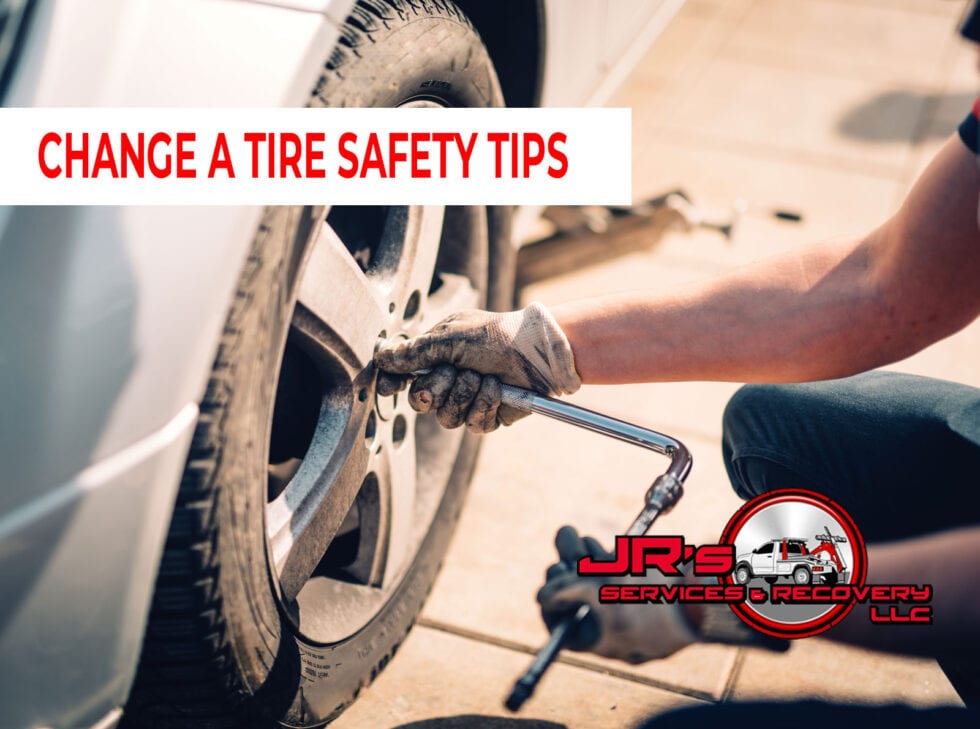
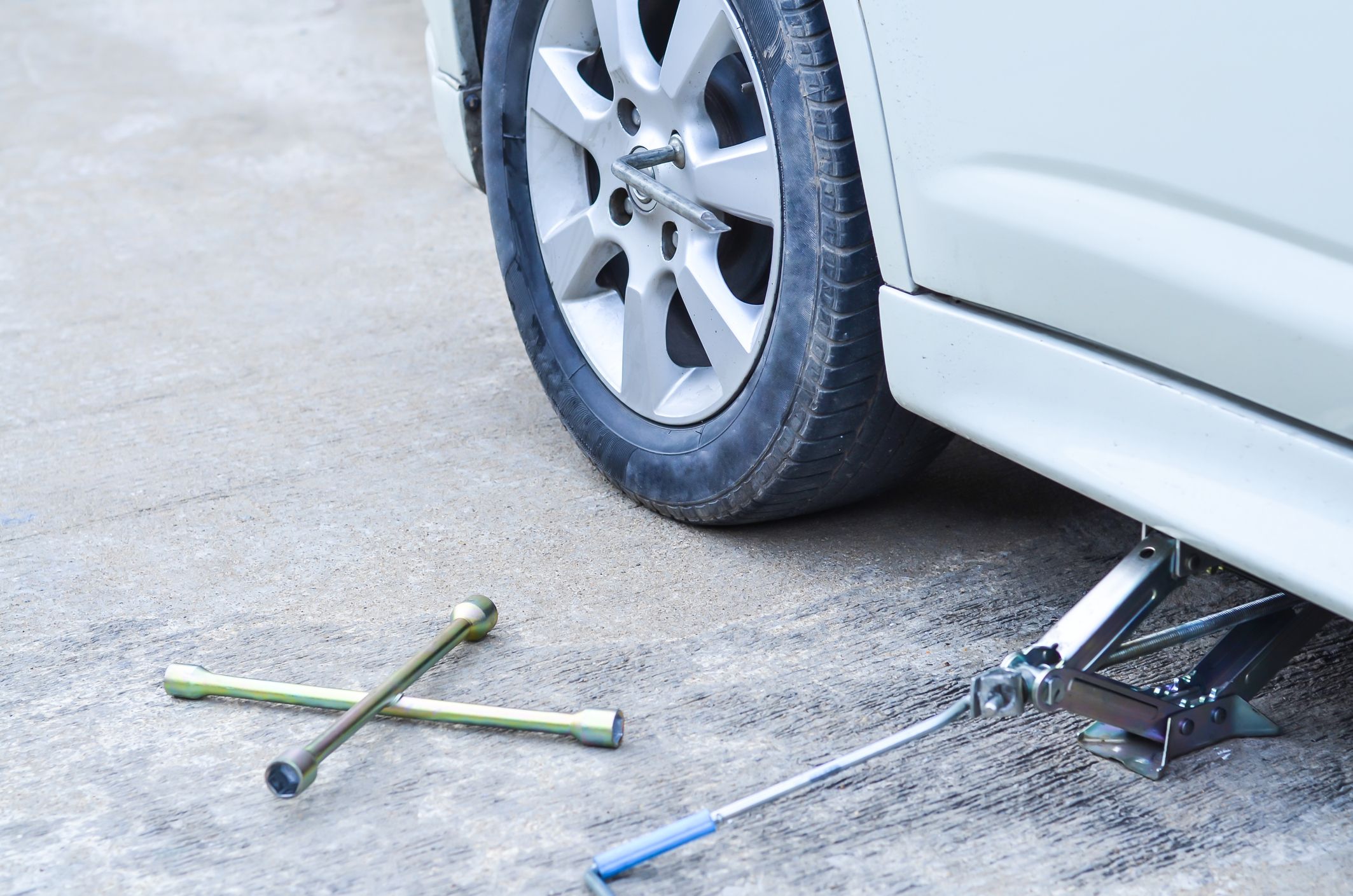
- Loosen lug nuts before jacking: Before lifting the vehicle, loosen the lug nuts with the car on the ground using a lug wrench.
- Use a lug wrench: Avoid using a long object like a pipe or stick to loosen the lug nuts, as it can slip and cause injuries.
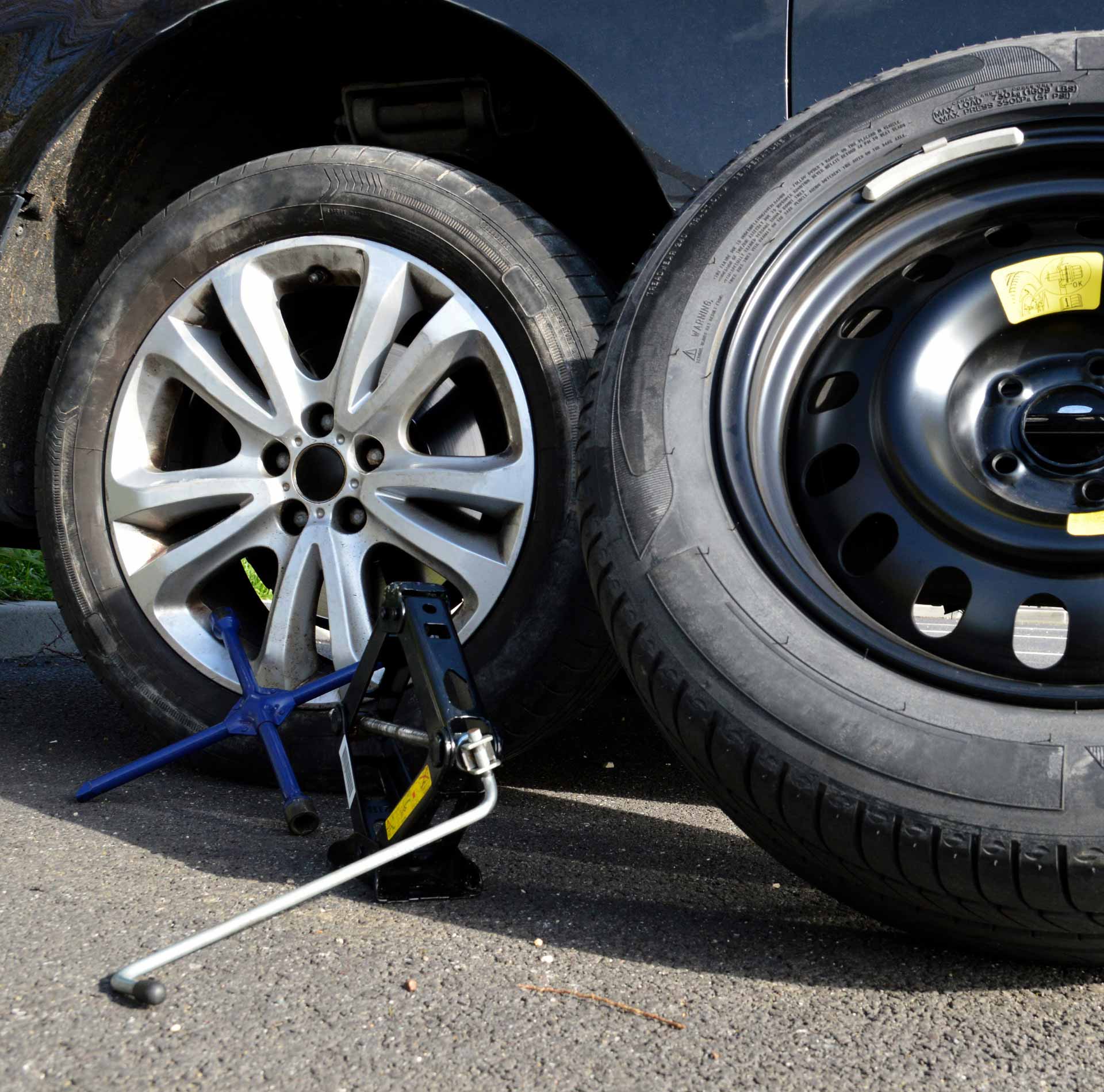
- Jack up the vehicle safely: Ensure the jack is in a stable position and the vehicle is securely supported by jack stands.
- Replace the tire carefully: Turn the tire by hand to ensure it's properly seated on the wheel hub, then tighten the lug nuts in a star pattern.
Additional Safety Precautions
When changing a tire, remember to:
- Keep loose clothing and long hair tied back: Avoid accidental entanglements or distractions.
- Keep children and pets away: The changing area can be hazardous for kids and pets.
- Check the weather: Avoid changing a tire in heavy rain or extreme temperatures.
- Use the right equipment: Make sure the lug wrench and other tools are in good condition and suitable for the job.
Conclusion
Changing a tire can be a stressful experience, but by following the safety precautions outlined in this guide, you can minimize the risks and stay safe. Remember to choose a safe location, turn off the engine, and use proper techniques when changing the tire. With these safety precautions, you'll be back on the road in no time, ready to take on any driving challenge that comes your way.