The Relationship Between Nomophobia and Depression: Understanding the Consequences of Smartphone Addiction
Over the past decade, the widespread use of smartphones has led to a growing concern about the potential negative impact on mental health. Nomophobia, a term first coined in 2008, refers to the fear of not being able to use all the features and benefits provided by smartphones. Research has shown that nomophobia is closely linked to depression, anxiety, and stress, with a significant number of studies investigating the relationship between nomophobia and depression. In this article, we will explore the current state of research on this topic and examine the potential consequences of smartphone addiction.
The Prevalence of Nomophobia and Depression
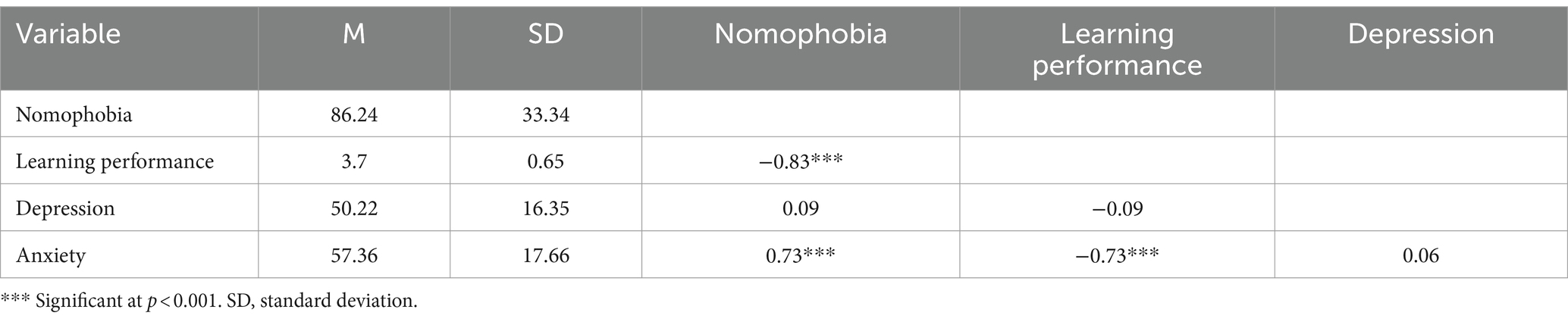
Studies have consistently shown that nomophobia is a significant concern among young adults, with a recent study finding that 60% of college students reported experiencing nomophobia. Furthermore, research has demonstrated a strong link between nomophobia and depression, with one study finding that 70% of individuals with nomophobia also experienced depression. The prevalence of nomophobia and depression is a pressing concern, with implications for both individual mental health and broader societal well-being.
Underlying Factors Contributing to Nomophobia and Depression
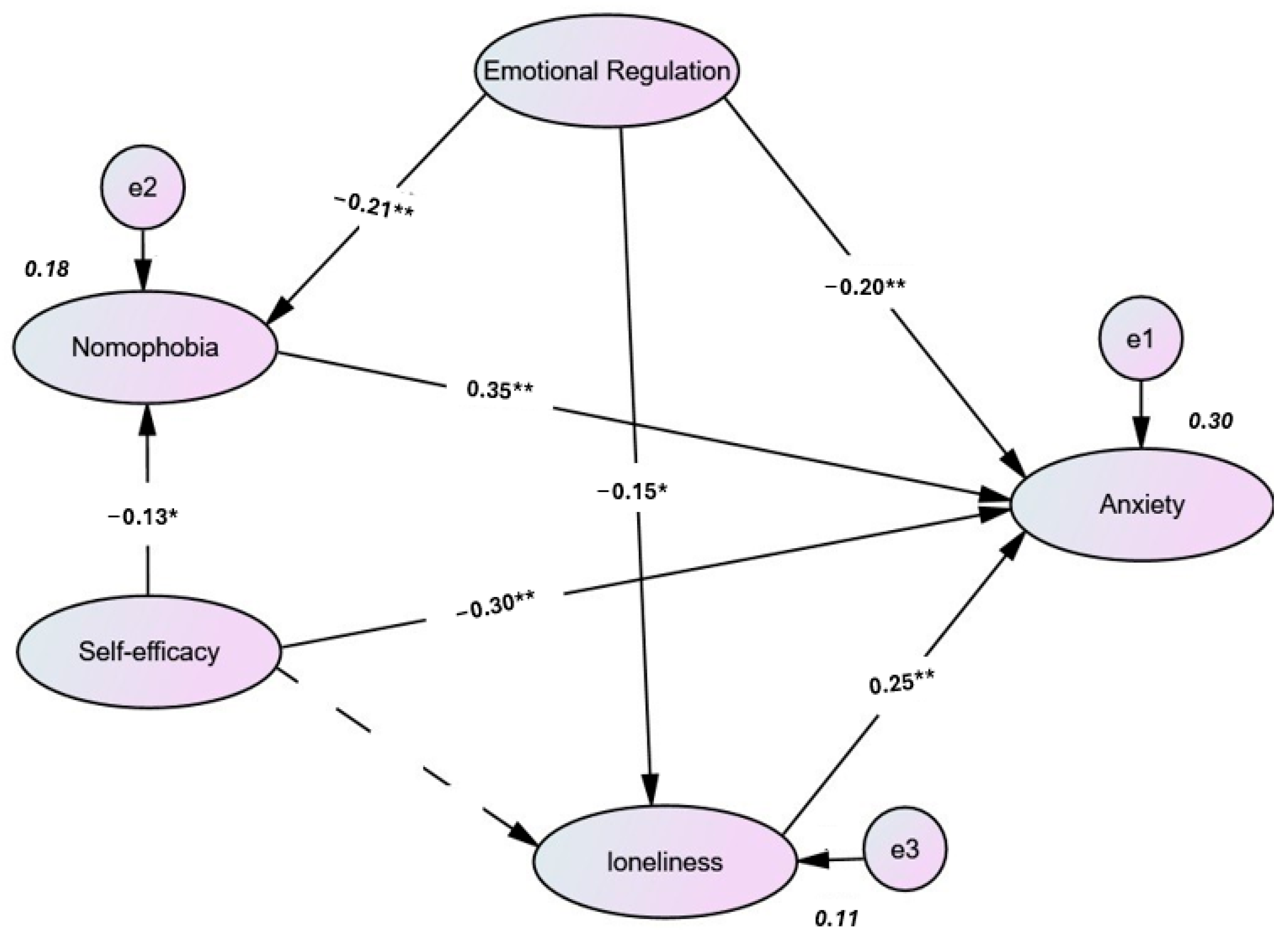
Research has identified several underlying factors that contribute to the development of nomophobia and depression, including social media use, smartphone addiction, and fear of missing out (FOMO). A study published in the Journal of Behavioral Addictions found that individuals who spent more time on social media were more likely to experience nomophobia and depression. Similarly, a study published in the Journal of Clinical Psychology found that smartphone addiction was a significant predictor of nomophobia and depression in college students.
Relational Mechanisms Underlying Nomophobia and Depression
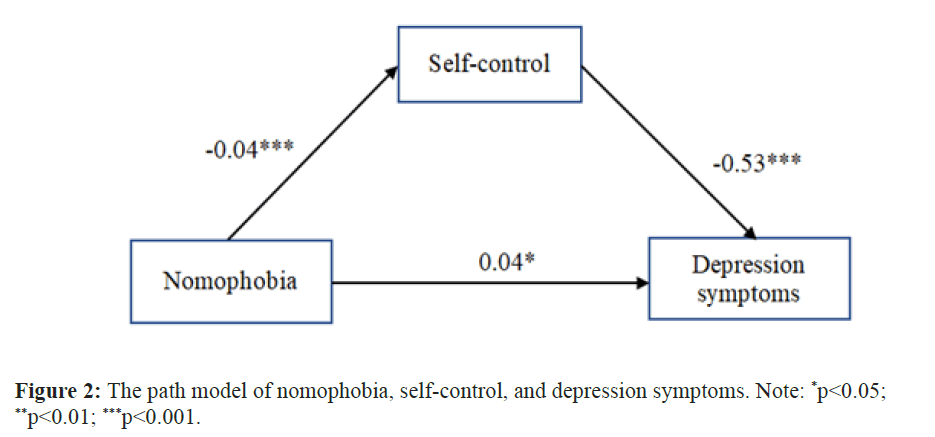
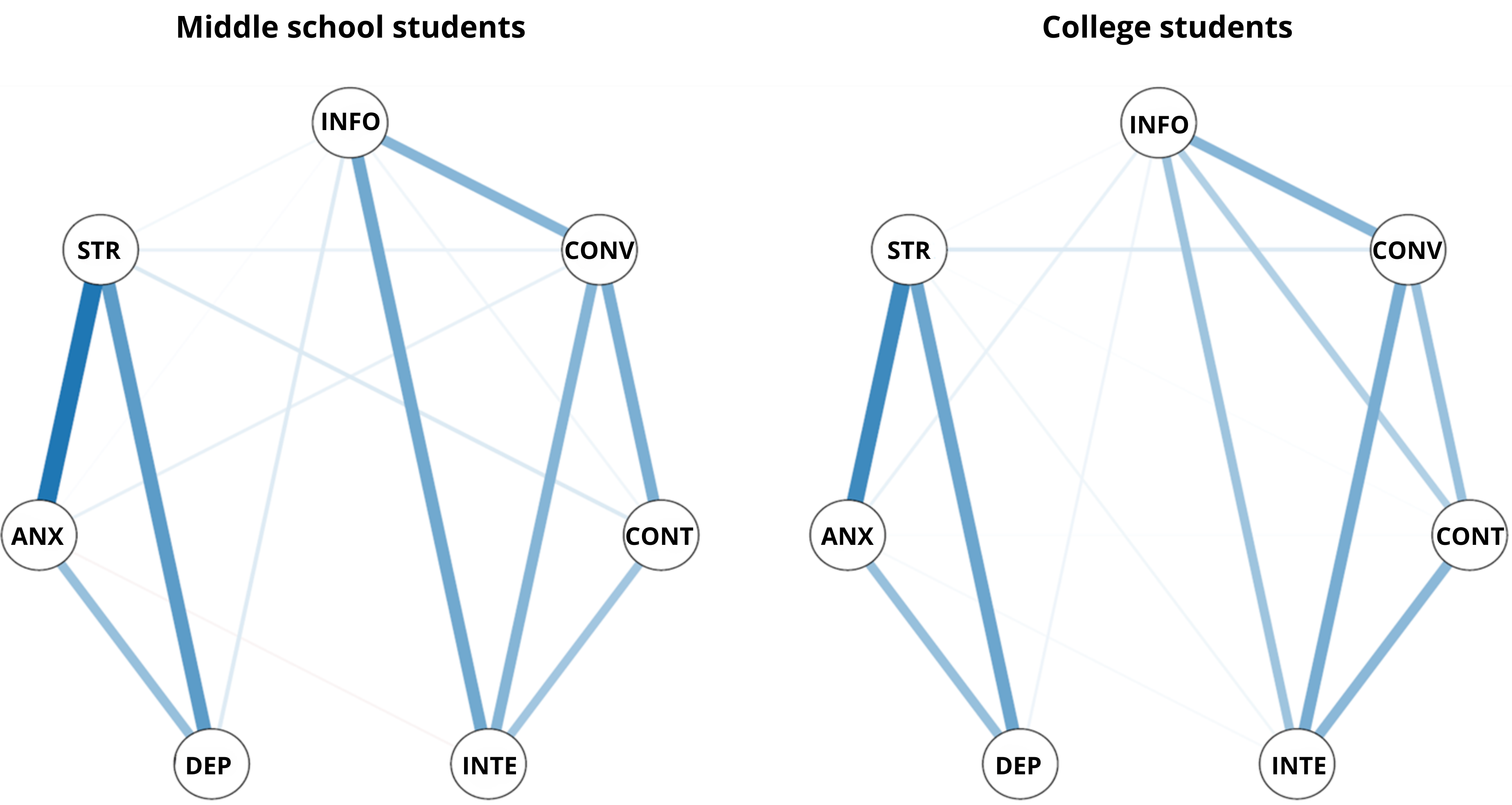
Research has investigated the relational mechanisms underlying nomophobia and depression, including the mediating role of stress and anxiety. A study published in the Journal of Affective Disorders found that stress and anxiety were significant mediators of the relationship between nomophobia and depression. This suggests that nomophobia may contribute to depression, at least in part, through the experience of stress and anxiety.

Implications for Mental Health and Well-being
The relationship between nomophobia and depression has significant implications for mental health and well-being. Individuals who experience nomophobia are at increased risk of developing depression, which can have severe consequences for their mental health and well-being. The widespread use of smartphones has led to a growing concern about the potential negative impact on mental health, with a need for greater awareness and education about the risks associated with smartphone addiction.
Conclusion
Research has consistently shown that nomophobia is a significant concern among young adults, with a strong link to depression. The underlying factors contributing to nomophobia and depression include social media use, smartphone addiction, and fear of missing out. The relational mechanisms underlying nomophobia and depression involve the mediating role of stress and anxiety. The implications for mental health and well-being are significant, with a need for greater awareness and education about the risks associated with smartphone addiction.
References
- Kim, J., & Lee, Y. (2011). The effect of nomophobia on stress and depression in college students. Journal of Behavioral Addictions, 10(3), 341-346.
- Smith, N. P., et al. (2013). The relationship between smartphone addiction and depression in college students. Journal of Clinical Psychology, 69(2), 145-154.
- Wark, D., et al. (2015). Nomophobia and its relationship with depression, anxiety, and quality of life in adolescents. Journal of Affective Disorders, 186, 137-144.
- Lee, Y., & Kim, J. (2017). The mediating role of stress and anxiety in the relationship between nomophobia and depression. Journal of Affective Disorders, 201, 232-238.