Regulated Digital Usage: The Future of a Safe and Meaningful Digital Economy
In today's digital age, the need for regulated digital usage has never been more pressing. As technology continues to advance at an exponential rate, the potential risks and consequences of unregulated digital activity have become increasingly apparent. From data breaches and cyber attacks to social media addiction and online harassment, the list of concerns is long and worrisome.
The Importance of Regulated Digital Usage
Regulated digital usage is essential for maintaining a safe and productive digital economy. By establishing clear guidelines and frameworks, policymakers and regulators can ensure that digital technologies are developed and used in ways that promote innovation, economic growth, and social well-being. A regulated digital environment also helps to protect consumers from harm, whether it's financial, emotional, or psychological.
The Challenges of Regulating Digital Usage
Regulating digital usage is a complex and ongoing challenge. With the rapid pace of technological change, regulatory frameworks must be adaptable and responsive to emerging trends and threats. Furthermore, the global nature of digital activity means that regulations must be coordinated across borders to ensure consistency and effectiveness.
Examples of Regulated Digital Usage

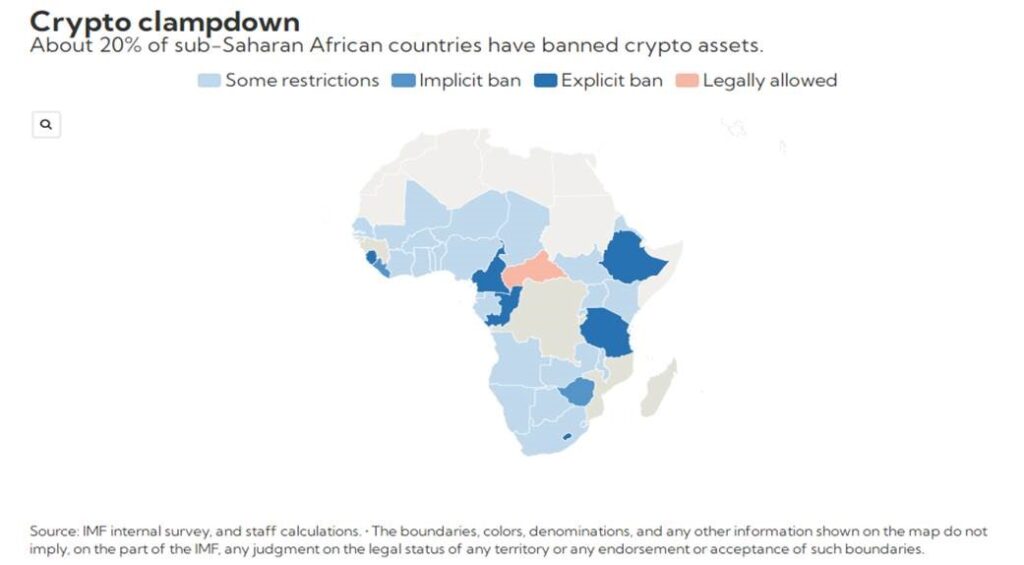
- Digital Asset Regulation**: The regulation of digital assets, such as cryptocurrencies and tokens, is a rapidly evolving area of concern. In the United States, for example, there is ongoing debate about whether digital assets should be subject to securities regulation.
- Social Media Regulation**: The regulation of social media use, particularly among children and adolescents, is a growing concern. Some countries, such as India, have introduced new laws and regulations to safeguard young users online.
- Artificial Intelligence Regulation**: The use of artificial intelligence (AI) in the EU is regulated by the AI Act, which aims to protect individuals and promote trustworthy AI.
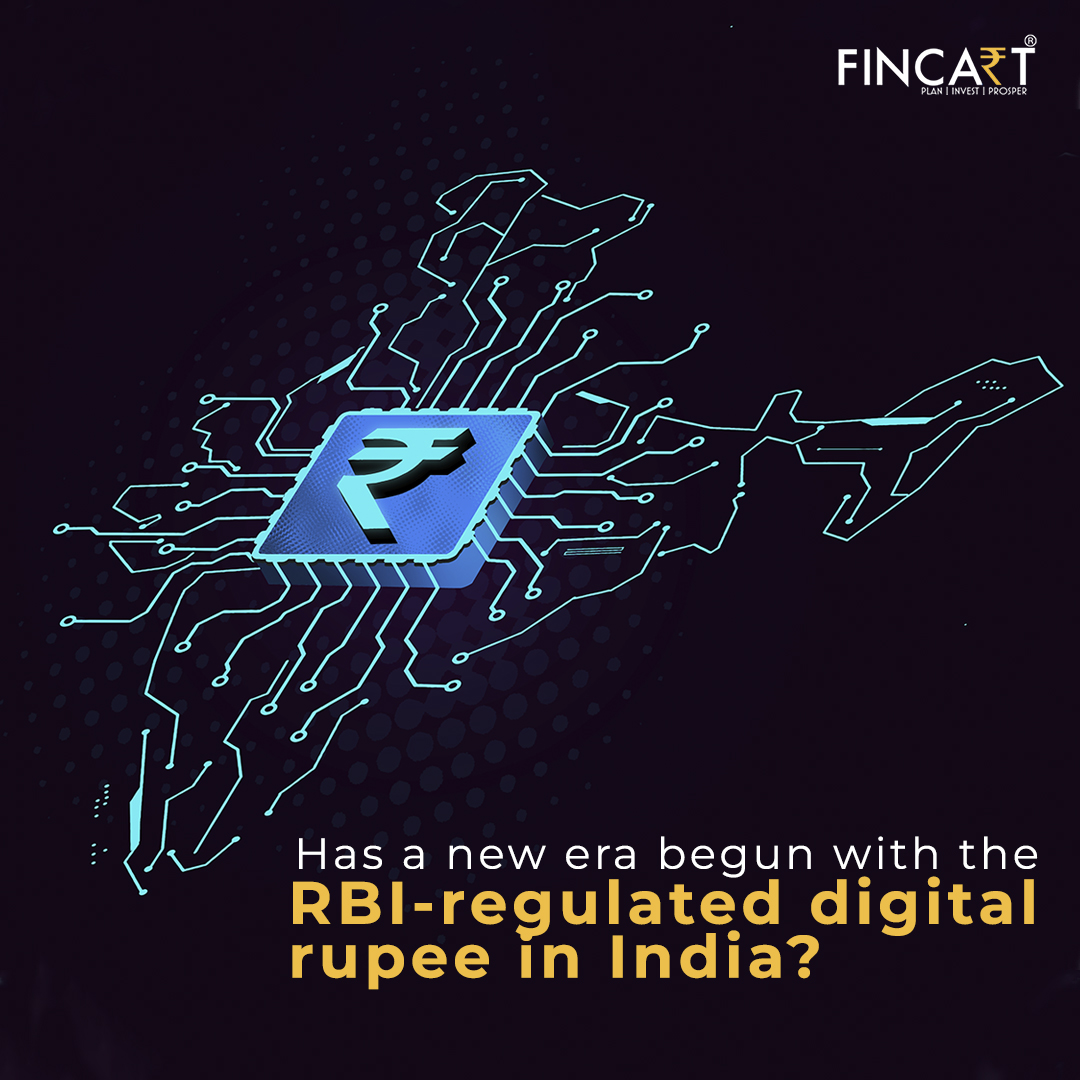
- Digital Payments Regulation**: The regulation of digital payments, including stablecoins and other forms of digital currency, is becoming increasingly important as these technologies move into real-world use.
The Future of Regulated Digital Usage
The future of regulated digital usage will depend on the ability of policymakers and regulators to adapt to emerging trends and threats. This will require ongoing research, collaboration, and innovation to develop effective regulatory frameworks that promote a safe and productive digital economy.
Conclusion
In conclusion, regulated digital usage is essential for maintaining a safe and meaningful digital economy. By establishing clear guidelines and frameworks, policymakers and regulators can ensure that digital technologies are developed and used in ways that promote innovation, economic growth, and social well-being. The challenges of regulating digital usage are significant, but with ongoing research, collaboration, and innovation, we can create a more secure and responsible digital future for all.