Protecting Online Learners Online: A Critical Guide
In today's digital age, online learning has become an integral part of education. However, this increased reliance on digital platforms has also raised concerns about student safety and security. As a result, it is essential for parents, educators, and institutions to take proactive measures to protect online learners online.Understanding the Risks
The digital world presents a unique set of challenges for online learners. With the increasing use of technology in education, there is a growing risk of cyber attacks, data breaches, and online harassment. Learners are exposed to a range of potential threats, including:- Cyberbullying and online harassment
- Identity theft and data breaches
- Phishing and online scams
- Malware and viruses
- Unsuitable online content and exposure to explicit materials
Implementing Robust Security Measures
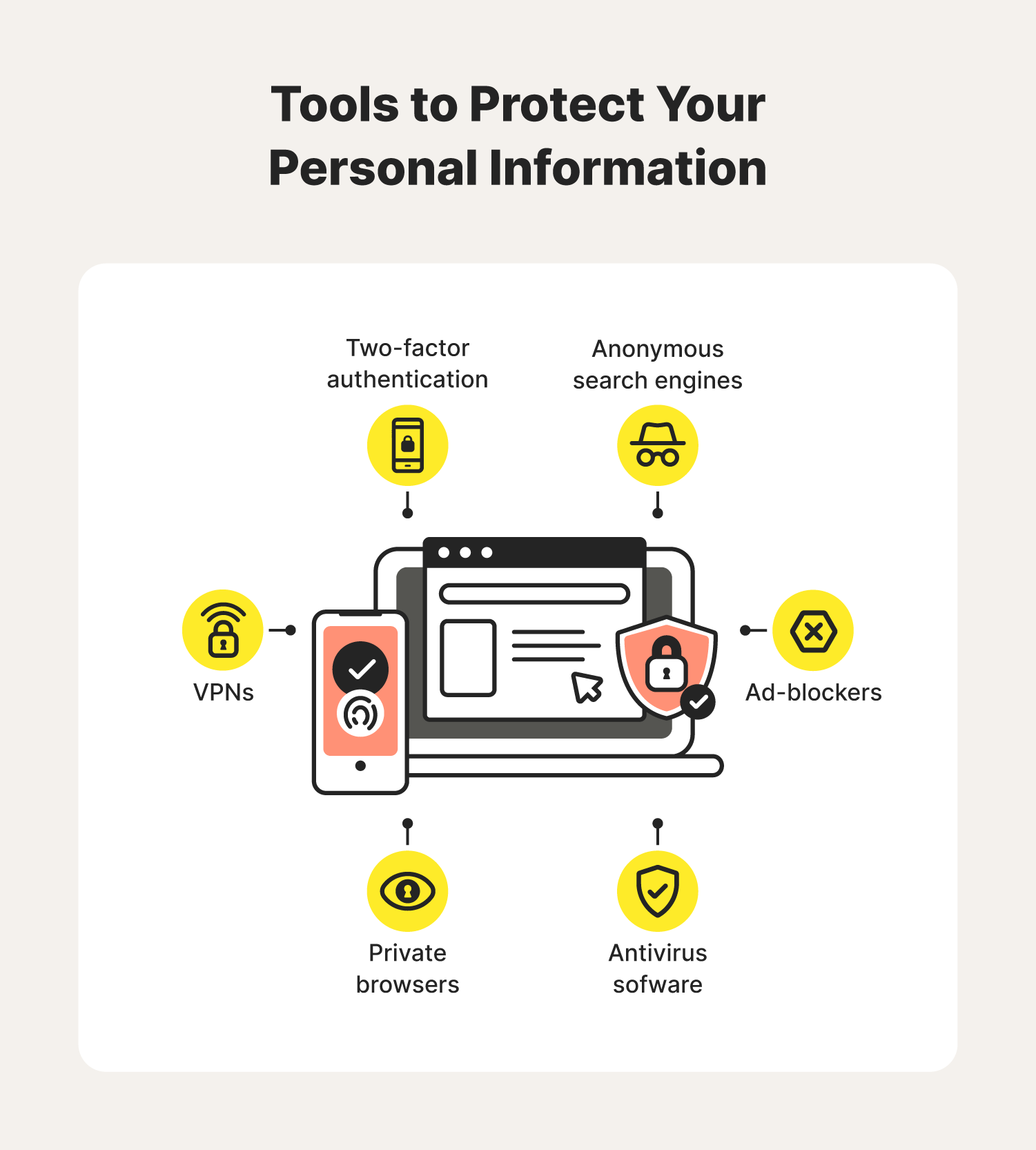
To protect online learners online, institutions must implement robust security measures to safeguard sensitive information and ensure the integrity of online learning platforms. This includes:- Implementing robust user authentication and authorization protocols
- Using encryption to protect sensitive data
- Regularly updating software and plugins to prevent vulnerabilities
- Conducting regular security audits and risk assessments
- Providing regular cybersecurity training and awareness programs for learners and staff

Teaching Online Safety and Cybersecurity
In addition to implementing security measures, it is essential to educate learners about online safety and cybersecurity. This includes teaching them:- Best practices for creating strong passwords and account security
- How to identify and avoid online scams and phishing attacks
- How to use online resources safely and responsibly
- How to protect their personal data and online reputation
- How to report online harassment and cyberbullying
Creating a Safe Online Learning Environment
To create a safe online learning environment, institutions must also establish clear policies and guidelines for online behavior. This includes:- Developing and enforcing acceptable use policies for online platforms
- Establishing clear guidelines for online communication and interaction
- Providing support and resources for learners who experience online harassment or cyberbullying
- Regularly monitoring online platforms for potential threats and incidents